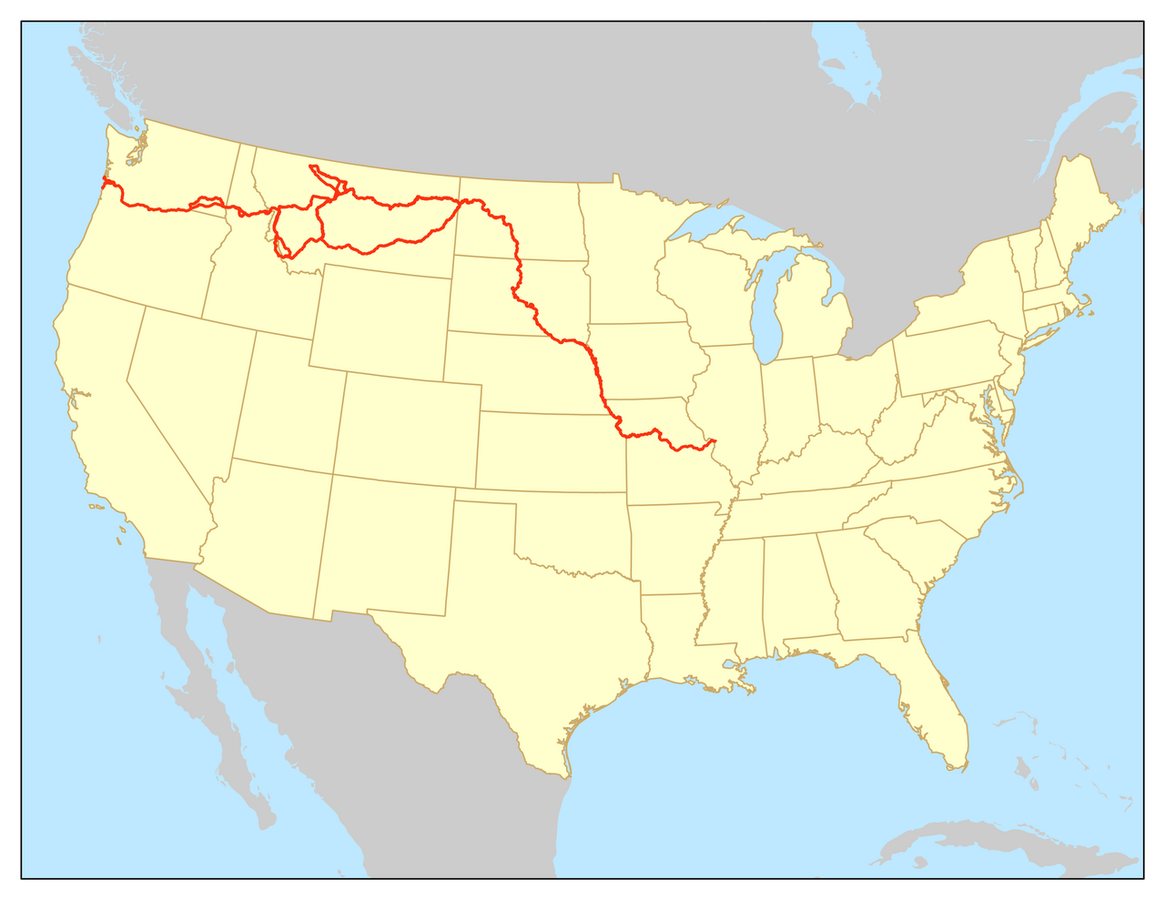
Indigenous students are retracing the path of Lewis and Clark, carrying out a new wildlife survey along the western route the explorers followed about two hundred years ago. The project marks the anniversary of the expedition and turns its original scientific aims back on the landscape they crossed.
President Thomas Jefferson sent Meriwether Lewis and William Clark west in 1804. The mission had a political purpose: to claim newly acquired western territory before rival powers could do so. It also carried a scientific one. Over a journey of roughly two years across the western half of the country, the expedition kept detailed journals describing the plants and animals it encountered.
Those journals noted a rich range of wildlife, including bison, horned lizards and sage grouse, as well as prairie dogs, wild licorice and catfish. Today's students are using that record as a starting point to see what remains along the same corridor, comparing the past with the present.
The students describe their goal in simple terms. As one participant put it, « we can't protect what we cannot see », a reason they say makes documenting current wildlife essential. The excerpt available for this report does not detail the full scope of the survey, its sponsors, or any findings so far, so those specifics remain unconfirmed.
Credit. Based on reporting by Ashley Stimpson for The Guardian. Is this your work? Write to us.
16