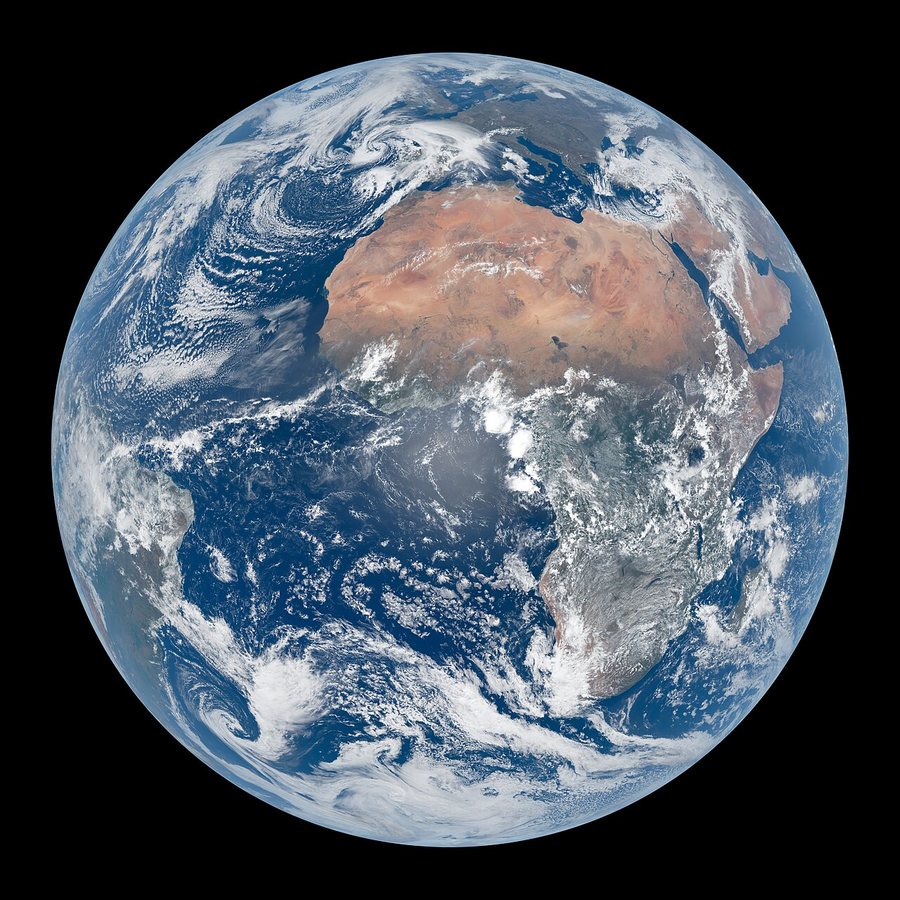
Scientists are working across all five of Earth's oceans in a series of expeditions aimed at understanding marine life and protecting the seas. The work, carried out under the National Geographic and Rolex expedition program, comes as oceans cover roughly 70 percent of the planet's surface while large parts of them remain unexplored.
In the Southern Ocean, researchers are probing the depths around Antarctica and studying the life that depends on sea ice. The team is working from the research vessel Falkor, operated with the Schmidt Ocean Institute, which allows scientists to reach remote waters that few other programs can access.
Elsewhere, the expeditions cover some of the most closely watched ecosystems on the planet. In the Pacific, scientists are tracking blue whales and testing how much heat corals can withstand before they are damaged. In the Indian Ocean, off the Seychelles, a film crew and researchers are documenting deep-sea creatures that are rarely seen by people.
The program also reaches the Atlantic and the Arctic. Along Atlantic coastlines, teams are planting mangroves, which help protect shorelines from erosion and storms. In the Arctic, scientists are mapping the seafloor together with indigenous groups whose knowledge of the region adds to the research.
The expeditions also highlight the surprises that still emerge from the ocean. In a segment drawn from the BBC series Blue Planet III, around 200 million porcelain crabs are shown gathering in orderly lines to feed on plankton. How the crabs coordinate such movements remains unexplained, a reminder of how much about marine life is still unknown.
Credit. Based on reporting for youtube.com. Is this your work? Write to us.
21