Australia's seventh intergenerational report, a government snapshot of what life in the country could look like in 2066, is facing sharp criticism from academics who argue it underplays the economic and social damage expected from the worsening climate crisis. The report, which projects four decades into the future, describes the effects of global heating as «highly uncertain» and points to the pace of the global energy transition as a key source of unpredictability.
Experts say that framing is inadequate. One academic described it as «negligent» to discuss long-term risks to Australia without examining the cost of the climate crisis. The criticism centers on the report's treatment of climate change as an uncertain variable rather than a measurable and growing threat to the nation's economy and society.
The intergenerational report is designed to assess the long-term sustainability of government finances and the pressures facing future generations. It typically examines demographics, productivity, and spending on health and aged care. The seventh edition extends its projections to 2066, offering a view of the country's fiscal and social trajectory over the next 40 years.
According to critics, the report's characterization of climate impacts as «highly uncertain» risks minimizing the scale of the challenge. They argue that while the exact pace of global heating and the speed of the energy transition may be difficult to predict, the direction of travel is clear and the economic consequences are already becoming visible. By treating climate as an unpredictable factor, the report may fail to prepare policymakers and the public for the costs ahead.
The academic criticism highlights a broader debate about how governments account for climate risk in long-term planning. Climate-related damages — from extreme weather, sea-level rise, agricultural disruption, and infrastructure strain — carry significant fiscal implications. If these are not adequately modeled, the report could present an overly optimistic picture of future living standards and public finances.
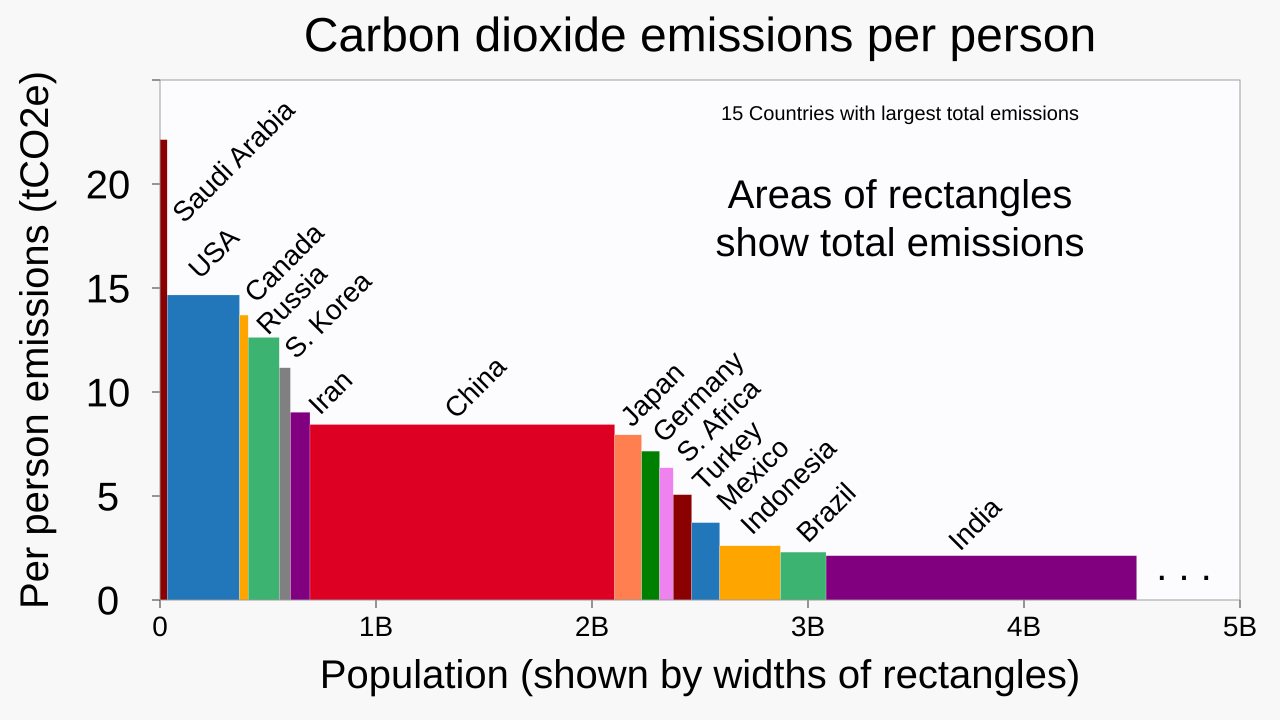
The report's findings and the reaction to them come as Australia continues to grapple with its own energy transition and climate policy. The country is a major exporter of fossil fuels and has faced repeated debates over its emissions reduction targets. How the government frames long-term climate risk in a document like the intergenerational report can shape public understanding and political priorities.
Experts quoted in the coverage argue that omitting or downplaying the cost of the climate crisis is not a neutral choice. It affects how resources are allocated, how risks are managed, and how prepared future generations will be. They say a more candid assessment would acknowledge that climate change is not just an environmental issue but a central economic and social challenge for Australia's future.
The criticism also raises questions about the methodology behind the report's climate projections. If the pace of the global energy transition is treated as the main uncertainty, other factors — such as the physical impacts of warming, the cost of adaptation, and the potential for abrupt changes — may receive less attention. Academics argue that a comprehensive long-term risk assessment should incorporate these dimensions.
For now, the report stands as the government's official long-range outlook, but the academic pushback signals that its treatment of climate risk will remain contested. The debate reflects a wider tension in long-term policymaking: how to plan for a future that is inherently uncertain without understating the threats that are already well understood.
14