A combination of trastuzumab and nivolumab added to standard gemcitabine and cisplatin chemotherapy has shown encouraging clinical response rates as a first-line treatment for people with HER2-positive unresectable biliary tract cancer, according to a phase 1b/2 trial published in Nature Medicine.
The study tested the HER2-targeting antibody trastuzumab alongside the immunotherapy nivolumab, combined with the chemotherapy backbone of gemcitabine and cisplatin. Researchers reported that the regimen produced promising response rates in this difficult-to-treat cancer, and that the level of HER2 expression was associated with clinical benefit.
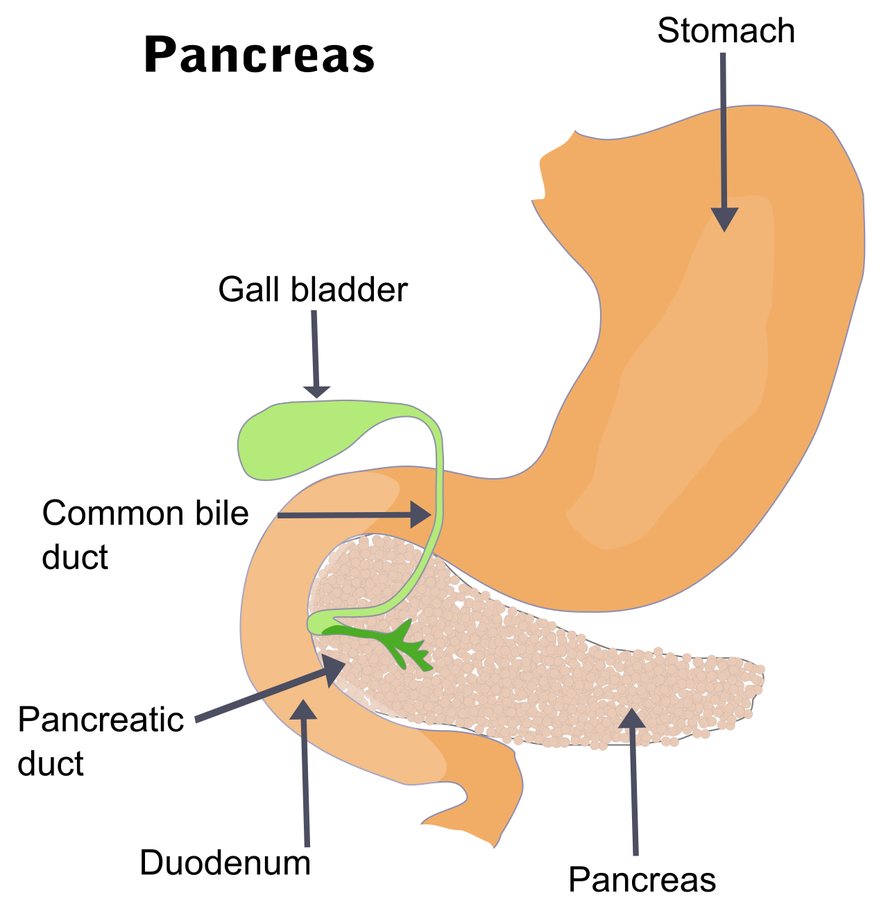
Biliary tract cancer, which includes cancers of the bile ducts and gallbladder, is often diagnosed at an advanced stage when surgery is no longer an option. For these patients, first-line treatment options have historically been limited, and survival outcomes remain poor. The findings suggest that simultaneously targeting HER2 and using immune checkpoint blockade may offer a new strategy for a subset of patients whose tumors express HER2.
The trial was designed as a phase 1b/2 study, an early-stage clinical investigation intended to assess safety, tolerability, and preliminary efficacy before larger randomized trials are considered. Participants received the combination as their initial therapy, meaning they had not been treated with prior systemic regimens for advanced disease. The researchers observed encouraging clinical response rates, indicating that a meaningful proportion of patients experienced tumor shrinkage or disease control.
An important secondary finding was the association between HER2 expression and clinical benefit. This suggests that HER2 testing could help identify which patients are most likely to respond to the regimen. HER2 is a well-known cancer target, perhaps most familiar in breast and gastric cancers, where HER2-targeted therapies have transformed treatment. Its role in biliary tract cancer has been less established, but the new data add to growing evidence that HER2-positive biliary tract cancers may constitute a distinct subgroup that could benefit from precision oncology approaches.
Nivolumab belongs to a class of drugs known as immune checkpoint inhibitors, which work by helping the immune system recognize and attack cancer cells. Combining such immunotherapy with HER2-directed therapy and chemotherapy is a strategy that researchers have explored in other tumor types, with the goal of producing a stronger and more durable response than any single approach alone. The trial's results provide preliminary support for testing this combination further in biliary tract cancer.
The study was published online in Nature Medicine. As a phase 1b/2 trial, it is not designed to provide definitive proof of superiority over existing treatments, and the findings will need confirmation in larger, randomized studies. Nevertheless, the authors describe the response rates as encouraging and highlight the HER2 association as a potentially useful signal for patient selection.
For patients with unresectable biliary tract cancer, the prognosis remains challenging, and new first-line options are urgently needed. The results of this trial offer a rationale for continued investigation of HER2-targeted therapy combined with immunotherapy and chemotherapy in this population. Future research is expected to focus on confirming the efficacy of the regimen, better defining which patients benefit most based on HER2 expression levels, and evaluating the safety profile in a larger group of participants.
The trial adds to a broader effort in oncology to match treatments to the molecular features of a patient's tumor. If validated, the combination could become a new option for a subset of biliary tract cancer patients whose tumors carry HER2, a group that currently has few targeted choices.
7