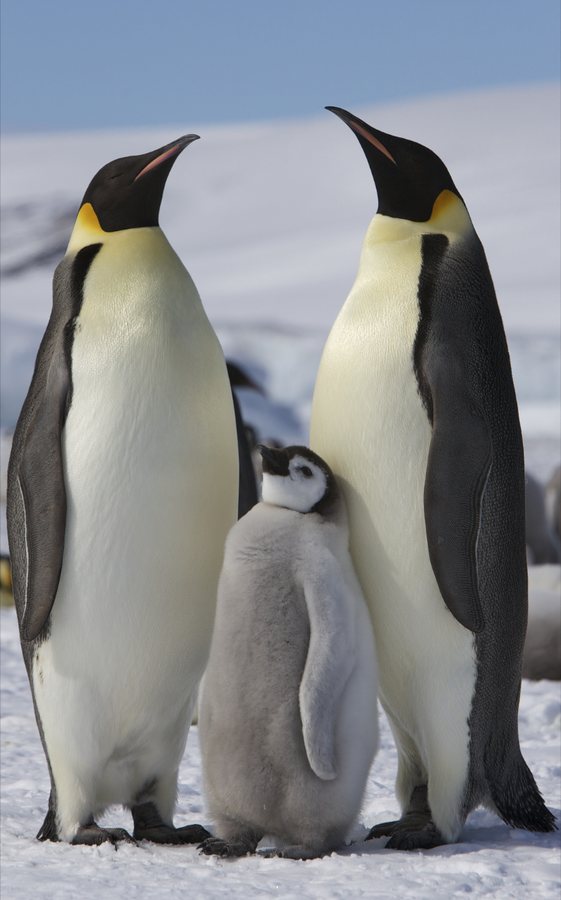
Genetic analysis has uncovered a previously unknown species of gentoo penguin living on the remote Kerguelen Islands, marking the first new penguin species identified in more than a century. The finding also reveals that gentoo penguins, long treated as a single species, are in fact four distinct species, a revision with significant implications for how conservationists assess the birds' vulnerability.
The discovery emerged from genetic evidence rather than from field observation of an unfamiliar bird. Researchers examining the DNA of gentoo populations found enough divergence among groups to justify reclassifying them as separate species. The newly described Kerguelen population joins three other recognized gentoo species, a taxonomic shift that changes the baseline for counting and protecting the world's penguins.
The reclassification matters because conservation status is typically assessed species by species. When one widespread species is split into four, each with a smaller range and population, the risk to each becomes clearer and often greater. Island populations that once appeared secure as part of a large, stable species may now be recognized as isolated and fragile.
That concern is sharpened by climate projections included in the research. Warming oceans could leave several island populations with little suitable habitat by 2050, according to the findings. Gentoo penguins depend on ocean conditions that support their prey, and shifts in water temperature can disrupt the food web on which they rely. For populations confined to remote islands, there is no easy path to new territory.
The Kerguelen Islands, located in the southern Indian Ocean, are among the most isolated places on Earth, far from major shipping lanes and human settlement. That remoteness has helped preserve the penguins' habitat, but it also means the birds have nowhere else to go if conditions around the islands deteriorate. The same isolation that protected them now limits their options.
The discovery adds to a growing body of research showing that genetic tools can reveal hidden biodiversity even in animals scientists thought they understood well. Gentoo penguins are among the most studied penguin species, yet the genetic evidence indicates that what researchers were observing was not one species but several. Such revisions can ripple through ecology, conservation planning, and public understanding of wildlife.
For conservationists, the immediate task is to determine how each of the four species is faring and whether existing protections cover them adequately. The Kerguelen population, newly recognized, has never been managed as a distinct species. Its status will need to be assessed separately, and any monitoring or protection measures will have to account for its unique situation.
The research also underscores the broader pressure that warming oceans place on marine life in the Southern Hemisphere. Penguins are often treated as indicators of ocean health because their populations respond quickly to changes in prey availability. A decline in suitable habitat for island populations would signal wider shifts in the marine ecosystem.
Scientists involved in the work emphasize that the discovery is not merely a taxonomic curiosity. Recognizing four species instead of one changes how many penguins exist, where they live, and how vulnerable they are. It also raises the possibility that other apparently widespread species may conceal similar hidden diversity, particularly among animals that live in remote and hard-to-reach places.
The finding arrives as global attention to biodiversity loss continues to grow. International agreements call for protecting species and ecosystems, but effective protection depends on knowing what species exist and where they are found. The gentoo revision is a reminder that the catalog of life on Earth is still incomplete, even for familiar animals.
Further study will be needed to confirm the boundaries between the four gentoo species and to track how each responds to changing ocean conditions. Researchers say the Kerguelen population and other island groups will be important to monitor in the coming decades, especially as the 2050 projections approach. The first new penguin species in over a century may also be among the most immediately threatened.
12