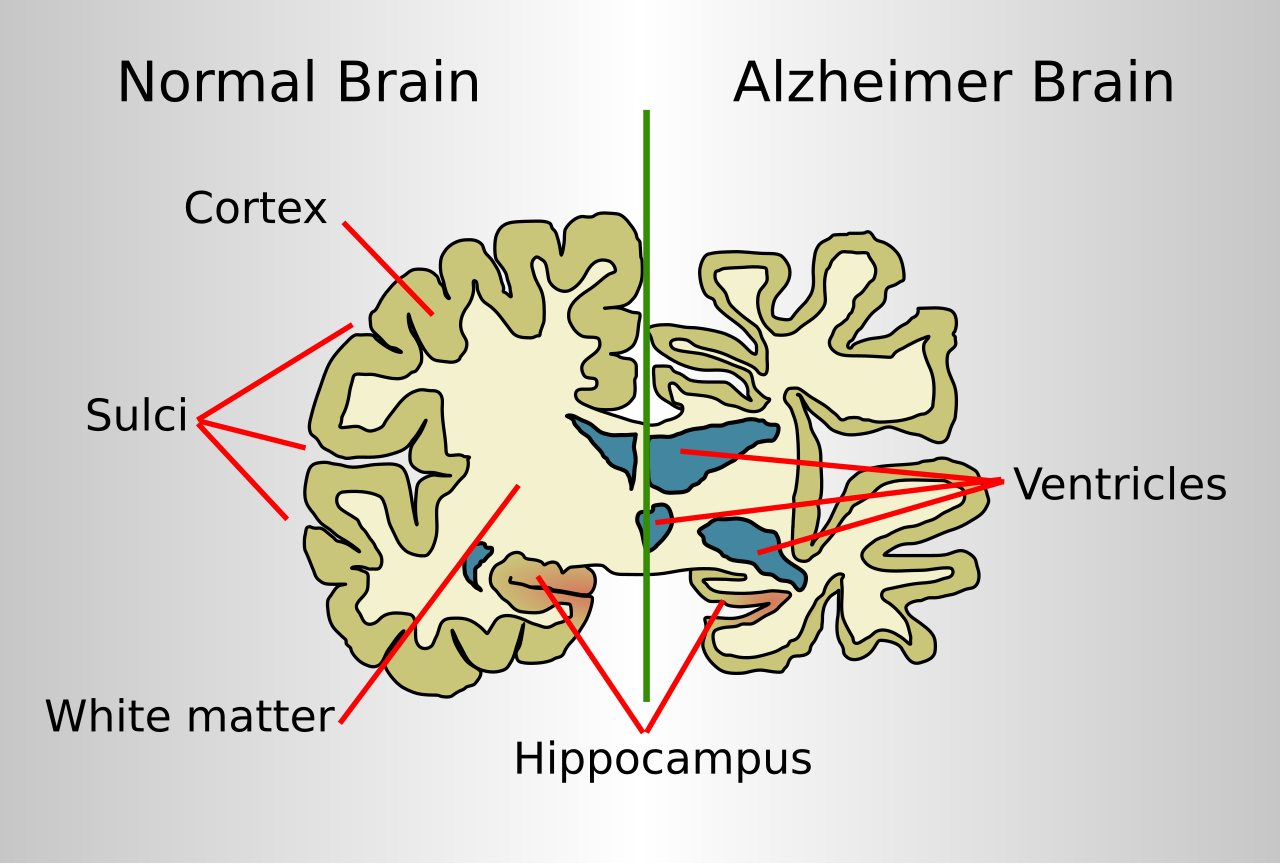
A low-dose form of rapamycin, a drug originally developed as an anti-aging treatment, improved blood flow in the brains of healthy middle-aged adults who carry a genetic variant linked to Alzheimer's disease. The early study suggests the drug could one day help protect the brain before memory problems appear, although researchers stress that a preventive benefit has not yet been shown.
The trial focused on people carrying APOE4, a version of a gene that raises the risk of developing Alzheimer's. After four weeks of treatment, participants showed better blood flow to the brain. Women showed the strongest benefit, a detail the researchers highlight as worth further investigation given the differences in how the disease affects men and women.
The reduced blood flow is significant because it can begin years before any symptoms are noticed. Treatments that act early, before memory loss starts, are a central goal in Alzheimer's research, since damage that has already accumulated is far harder to reverse. Improving circulation in the brain at that stage is one possible route to slowing the disease's progression.
The findings come from a ScienceDaily report published in November 2026, describing a study that remains at an early stage. Its authors have not established whether the change in blood flow would translate into a lasting reduction in disease risk or delayed symptoms. Larger and longer trials would be needed to answer those questions before the drug could be considered for prevention in people without symptoms.
Credit. Based on reporting for ScienceDaily. Is this your work? Write to us.
25