Dinosaurs and other glamorous fossil groups appear far more often in high-profile journals than their share of the research record would suggest, according to an analysis of thousands of palaeontology papers. The findings, published in Nature, have sparked debate among researchers about how the field chooses which discoveries deserve the spotlight.
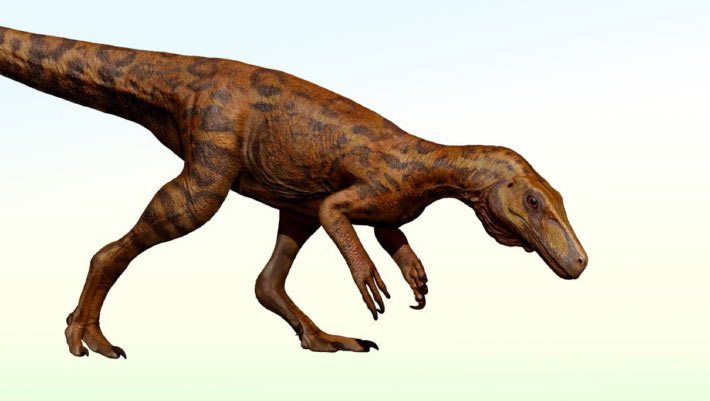
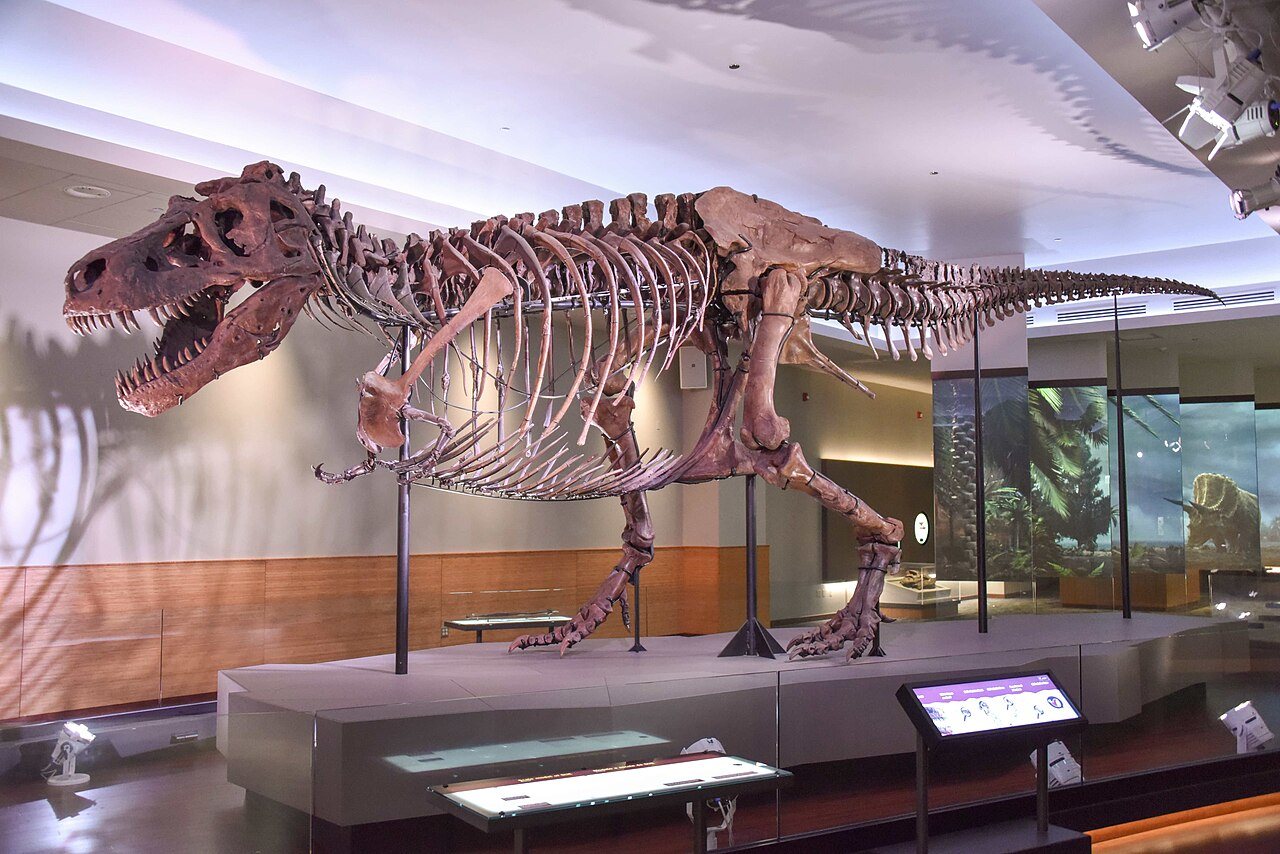
The study examined fossils of dinosaurs, mammals and other species that tend to attract public attention. It found that these organisms are over-represented in the most prominent titles in the field when compared with the broader body of published palaeontology work. The authors describe the pattern as a bias toward so-called charismatic finds, meaning organisms that draw strong public interest regardless of their scientific weight.
The analysis raises questions about the consequences of that bias. Less eye-catching groups, such as many invertebrates and plant fossils, may receive less attention from editors and reviewers even when their findings are scientifically significant. Over time, this could shape which parts of the fossil record are studied in depth and which remain comparatively neglected. Researchers working on smaller or fragmentary specimens may also find it harder to attract the funding and visibility that follow high-profile publication.
The debate over the results reflects a wider tension in science publishing between newsworthiness and representativeness. Journals compete for visibility, and studies with strong public appeal tend to attract more readers, citations and media coverage. Researchers who work on less glamorous fossils have long argued that this dynamic makes it harder for their work to reach the same platforms, and the new analysis gives that argument a quantitative basis.
Palaeontologists have responded with a mix of agreement and caution. Some see the study as confirmation of a problem they have observed in their own careers, while others question whether the gap reflects editorial choices alone or also the scientific interests of the field and the kinds of questions researchers choose to pursue. Distinguishing between these explanations is central to the debate, because the remedy depends on the cause. The discussion is expected to continue as the journal community considers how to balance public interest with a fuller picture of the fossil record.
7