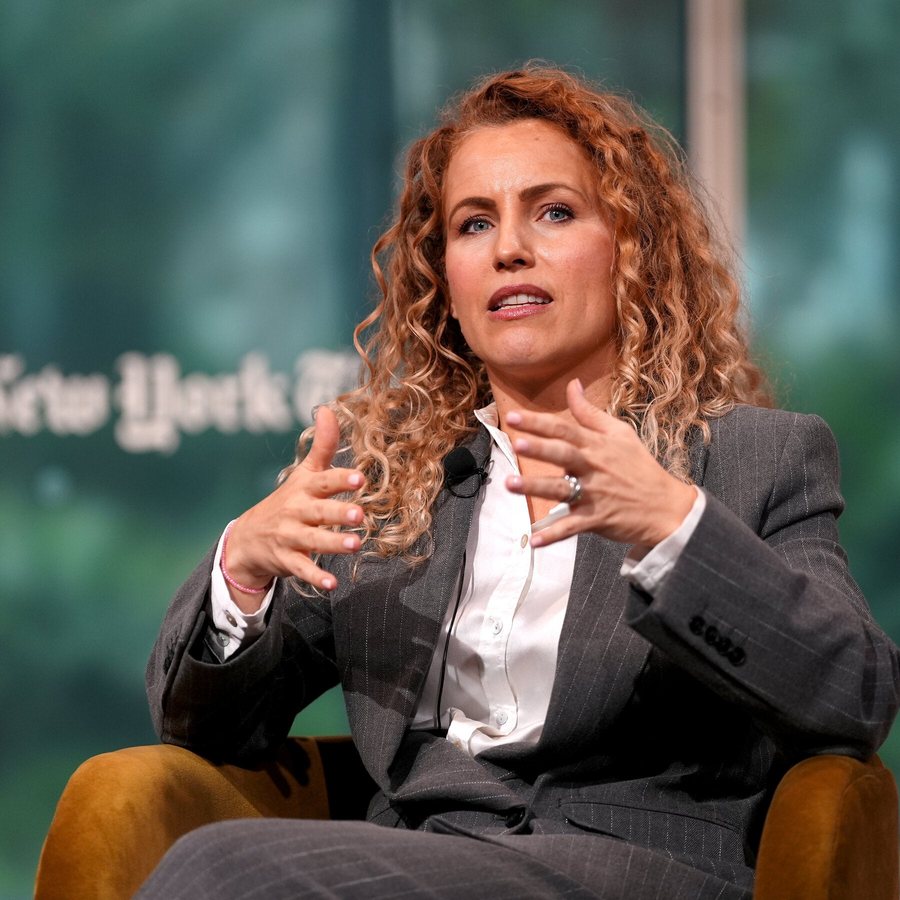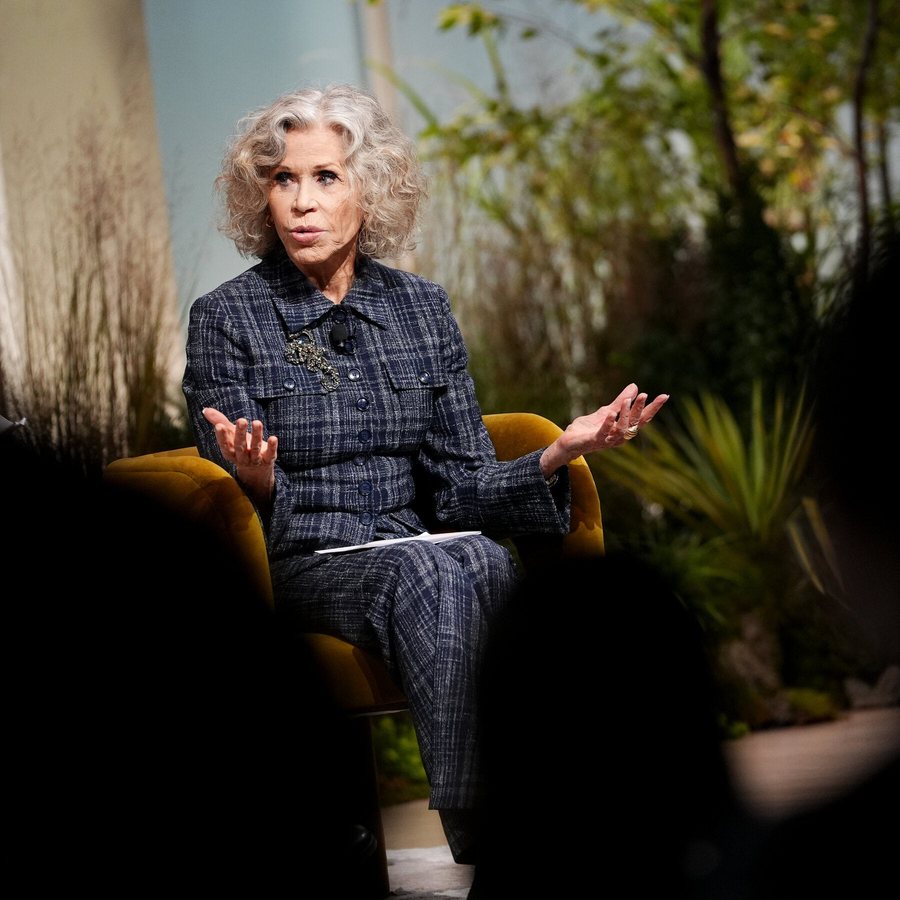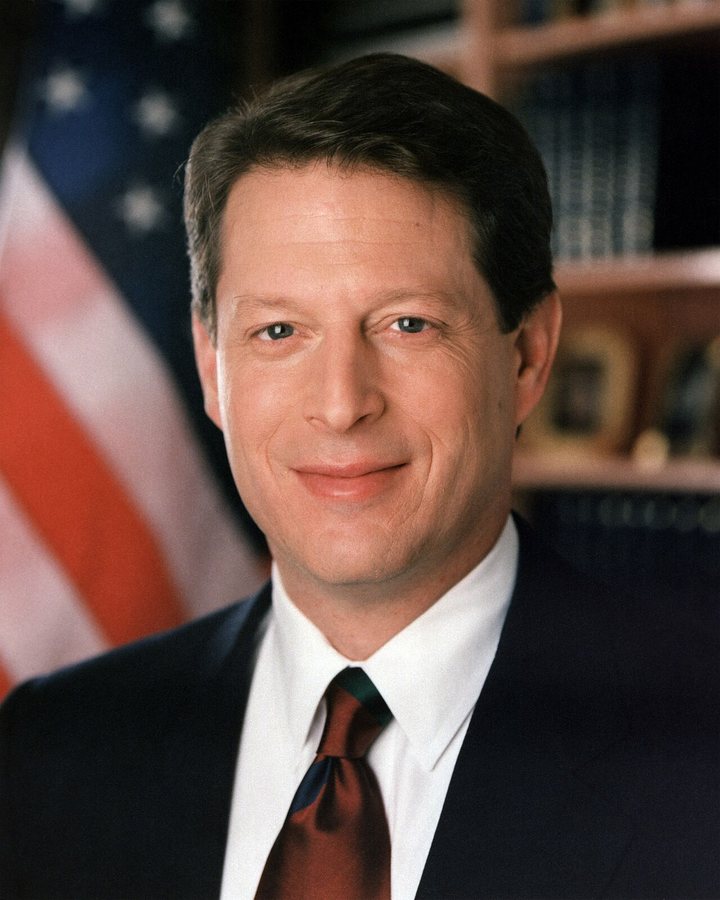
Twenty years after the release of «An Inconvenient Truth», former US Vice President Al Gore says he remains optimistic that the world will confront the climate crisis, even as he acknowledged surprise at the ferocity of the backlash his work provoked.
Speaking at an event in New York marking the 20th anniversary of the documentary and his subsequent climate advocacy, Gore, now 78, reflected on the progress and resistance of the past two decades. Asked about the state of the fight, he joked that if it had not been for him, «we might have a big problem right now» — a wry nod to the scale of the challenge that remains.
The 2006 film, built around Gore's slide presentations on global warming, became a cultural and political touchstone. It won the Academy Award for Best Documentary Feature and helped push climate change into mainstream public debate, particularly in the United States. But it also drew intense criticism from fossil fuel companies and their political allies, who challenged its scientific claims and framed it as partisan alarmism.
Gore said that backlash was more sustained and aggressive than he had anticipated. The fossil fuel industry and its political supporters mounted a long campaign to cast doubt on climate science and delay policy action, a dynamic that has shaped US climate politics for a generation. Yet Gore insisted that the broader trajectory remains toward action, pointing to the growth of renewable energy, shifting public opinion, and international agreements as signs of momentum.
His continued advocacy comes at a moment when climate policy is again under pressure in the US and abroad. The anniversary event served as both a retrospective and a call to keep pushing. Gore's message was that the fight is far from over, but that the forces pushing for solutions are gaining ground.
«We are going to win this», he said, according to remarks at the event. The line captures the blend of realism and resolve that has defined his public role since leaving office. Gore has spent the years since the documentary working through nonprofit and advocacy channels, training thousands of volunteers to give climate presentations and pressing governments and businesses to cut emissions.
The 20-year mark also highlights how much has changed since 2006. Solar and wind power have become far cheaper, electric vehicles have moved from niche to mainstream, and many countries have adopted net-zero targets. At the same time, global greenhouse gas emissions have continued to rise, and the pace of warming has accelerated, with record temperatures and extreme weather events becoming more common.
Gore's optimism is not shared by all climate scientists and activists, some of whom argue that incremental progress is insufficient given the scale of the crisis. But his stance reflects a long-held view that public engagement and political pressure can overcome industry resistance.
For readers of science and policy, the anniversary is a reminder that the debate over climate change is not only about data and models but also about power, money, and public persuasion. Gore's career since 2006 illustrates how a scientific message can become a political force — and how hard the opposition will fight to blunt it.
As the event concluded, Gore's focus remained on the future. He said the choice is not between optimism and despair but between action and inaction, and he made clear which side he intends to keep fighting on.
8