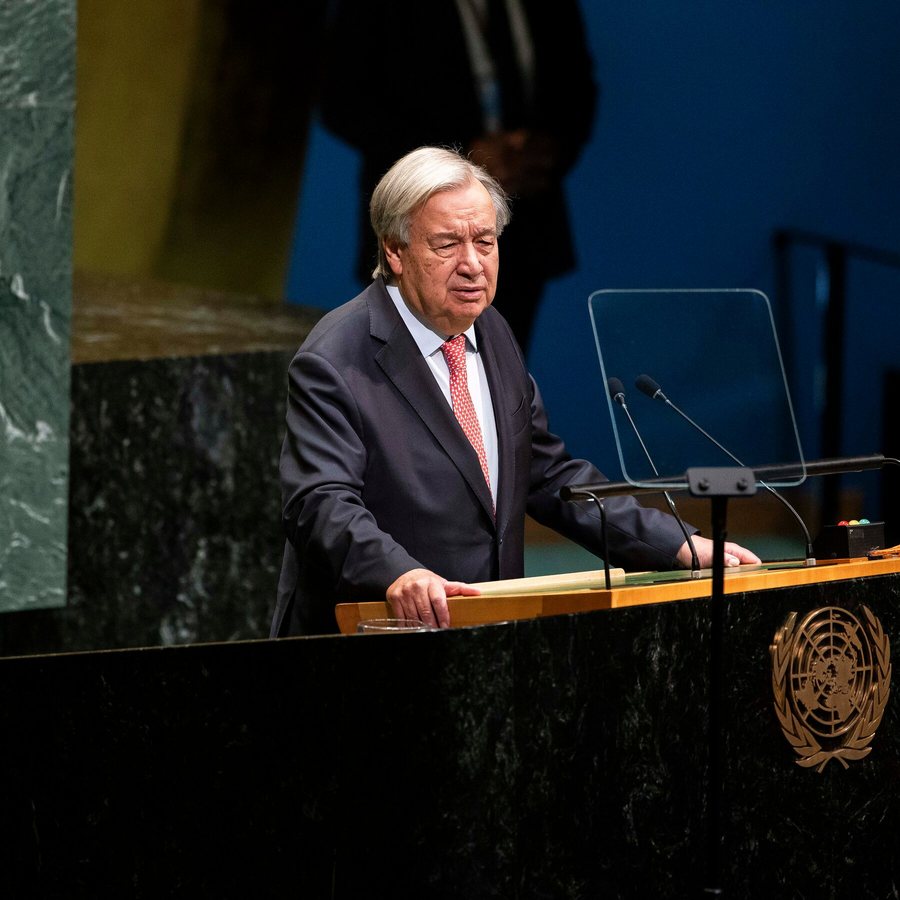
United Nations Secretary-General António Guterres used his final address to the General Assembly on Tuesday to deliver a blistering indictment of global climate inaction, accusing major polluters of treating the atmosphere like an «open sewer» and insisting that oil and gas companies «must pay» for the devastation their products cause.
Speaking to assembled dignitaries in New York, Guterres—who is departing after a decade at the helm of the UN—tried one last time to fix the world's gaze on what he described as a dangerously escalating crisis. But he found world leaders still largely focused on other issues, even after a painful summer of stunning climate-driven disasters that scientists have linked to rising global temperatures.
The outgoing secretary-general reserved his sharpest language for the fossil fuel industry, railing against big oil for its role in driving greenhouse gas emissions. His «open sewer» remark marked one of the most direct condemnations of the sector by a sitting UN chief, and his call for polluters to pay echoed long-standing demands from climate-vulnerable nations for compensation and accountability.
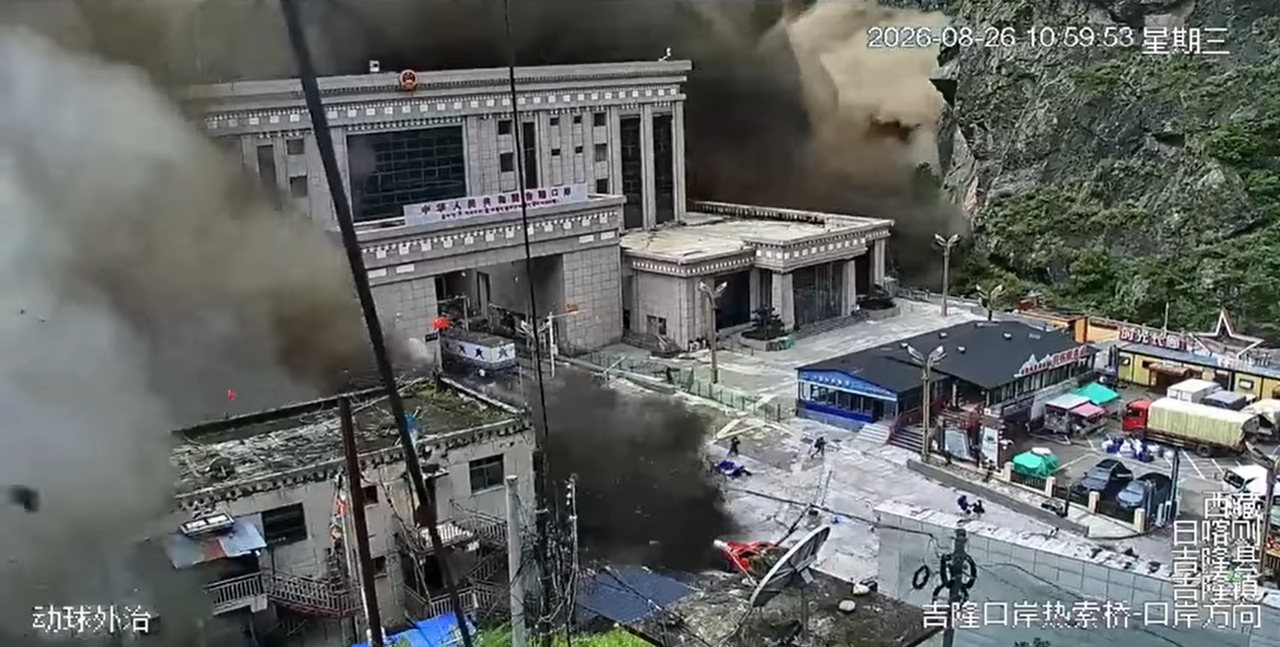
Guterres has made climate change a central pillar of his tenure, repeatedly warning that the window to avert catastrophic warming is closing. His latest intervention comes at a moment of heightened concern: this summer brought a series of extreme weather events—floods, heatwaves, wildfires, and storms—that have devastated communities across multiple continents and strained emergency responses.
Despite those disasters, the political response from major economies has remained uneven. Many wealthy nations continue to expand fossil fuel production even as they pledge to cut emissions, a contradiction that Guterres has highlighted throughout his term. His warning on Tuesday appeared aimed at shaming governments and corporations into more aggressive action before he leaves office.
The secretary-general's remarks also reflect a broader frustration among climate scientists and activists: that the urgency of the crisis is not matched by the pace of policy. With global emissions still rising and the 1.5-degree Celsius target of the Paris Agreement slipping out of reach, Guterres has argued that the world is sleepwalking into disaster.
His departure raises questions about who will carry the mantle of climate advocacy at the highest levels of the UN. The next secretary-general will inherit a world that is warming faster than predicted, with vulnerable populations—particularly in small island states, Africa, and South Asia—already suffering the consequences.
For now, Guterres leaves behind a stark message: that treating the atmosphere as a dumping ground has consequences, and that those who profit from pollution must be held to account. Whether his final warning will spur action remains uncertain, but it underscores the widening gap between scientific reality and political will.
13