Record-breaking heat, prolonged drought, and devastating wildfires defined the summer of 2026, a season that may be remembered as the moment climate change shifted from a distant scientific projection to an immediate, lived experience for millions of people. Across multiple regions, temperature records fell, water supplies dwindled, and fires consumed vast areas, leaving communities to confront a new normal that scientists have long warned about.
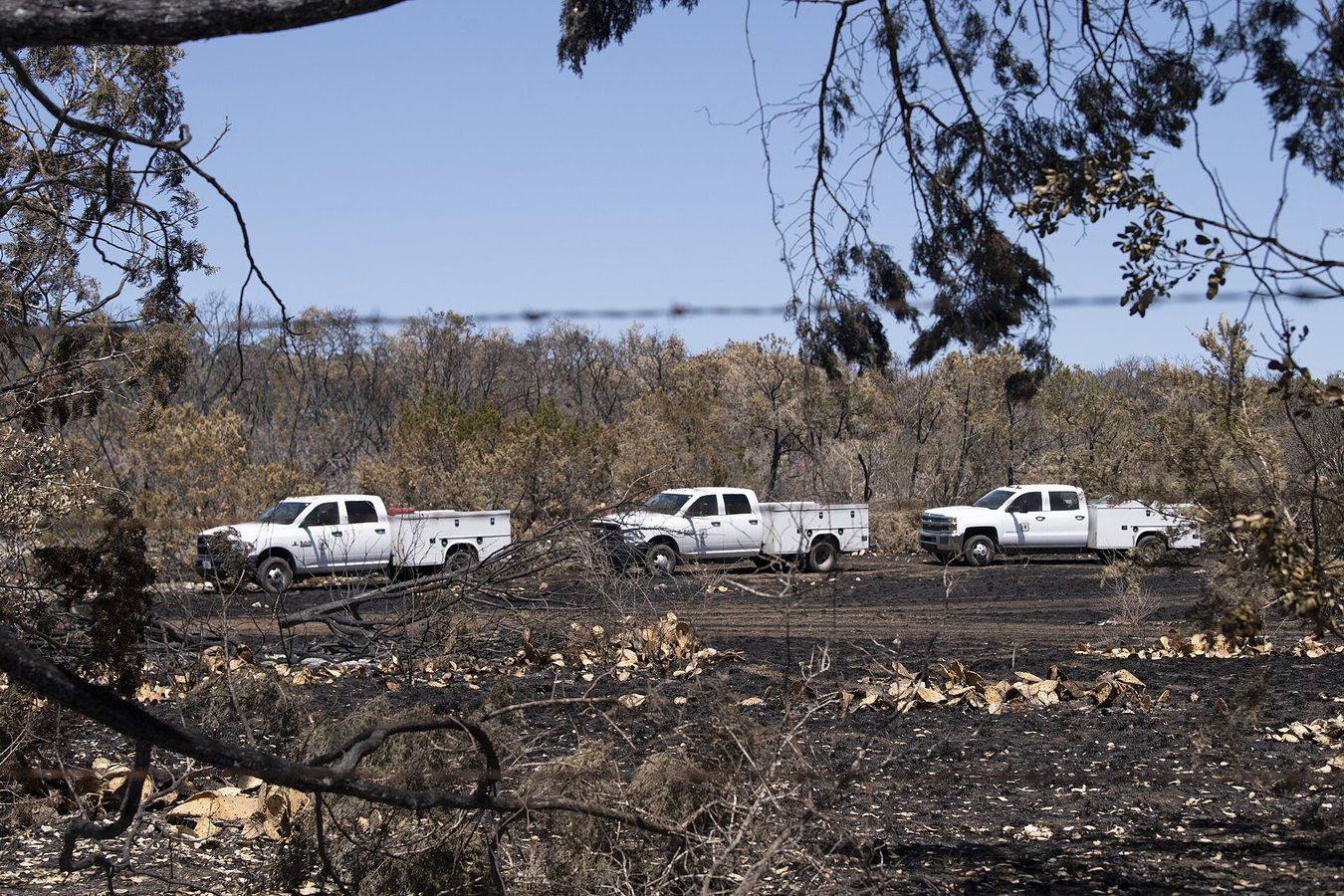
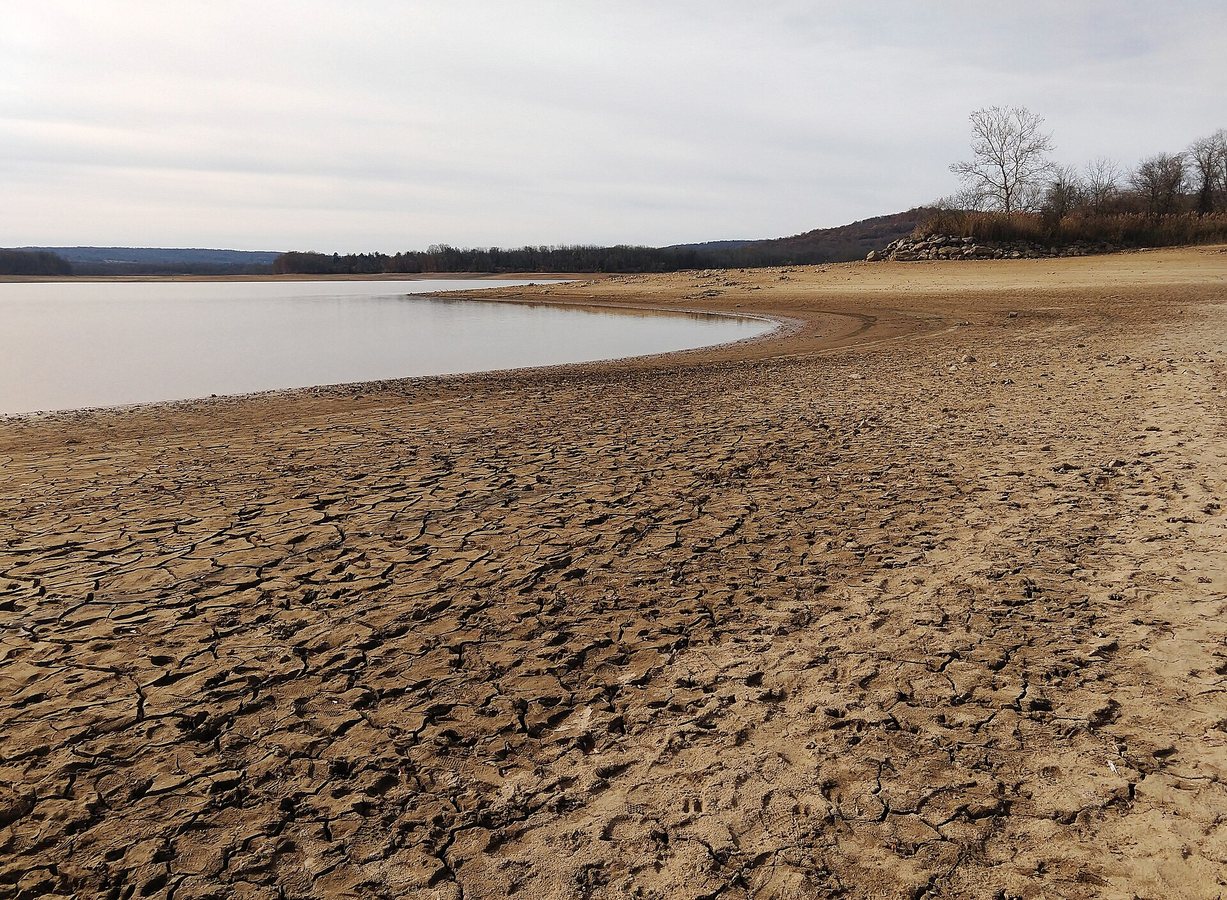
The summer's extreme weather was not isolated to a single region. Hot weather records were broken in numerous locations, while drought conditions parched landscapes and created tinderbox conditions that fueled major fires. The damage from these fires was significant, destroying property, displacing residents, and straining emergency services. For many, the cumulative effect of these events has been a visceral awakening to the reality of a warming planet.
This shift in perception is significant because it moves climate change from the realm of abstract data and future projections into the realm of personal experience. When a flooded street, a failed crop, or a smoke-filled sky becomes part of daily life, the psychological distance between the public and the science of climate change collapses. The summer of 2026 may be remembered as the season when the extraordinary began to feel ordinary, and when the term «unprecedented» started to lose its power to shock.
The danger of this normalization is that it breeds complacency. As extreme weather events become more frequent, there is a risk that society will accept the deterioration of the environment as simply the way things are. Each new record, each new disaster, can begin to blend into the background, dulling the urgency that the situation demands. The challenge for scientists, policymakers, and communicators is to keep the public engaged even as the abnormal becomes routine.
The summer's events also carry profound implications for how societies prepare for the future. Drought and fire damage have direct consequences for agriculture, water security, public health, and economic stability. Communities that once considered themselves safe from climate impacts are now finding themselves on the front lines. This has prompted renewed discussions about infrastructure, emergency planning, and the need for long-term adaptation strategies.
At the same time, the experience of extreme weather has the potential to galvanize public support for climate action. When people see the effects of a warming climate in their own backyards, the political will to address the problem can grow. The summer of 2026 may therefore serve as a catalyst, pushing climate change higher on the public agenda and increasing pressure on leaders to act.
Scientists have consistently linked the increasing frequency and intensity of heatwaves, droughts, and wildfires to human-caused global warming. The summer of 2026 provided further evidence of these connections, with the scale of the events exceeding what would be expected in a climate without the influence of greenhouse gas emissions. This scientific consensus, combined with the direct experience of millions, creates a powerful case for urgent and sustained action.
As the season ends, the question is whether the lessons of this summer will be remembered or forgotten. The answer will depend on whether society chooses to treat the extreme as a warning or as a new baseline. For now, the summer of 2026 stands as a stark reminder that climate change is not a distant threat but a present reality, and that the time for complacency has passed.