Sweeping cuts to the country’s premier climate agency under President Donald Trump have severely hampered the United States’ ability to forecast, research and respond to extreme weather, former government officials and scientists warn. Their concern comes as the country faces a cascade of hazards fueled by a potentially historic El Niño expected this winter.
Since the start of his second term, Trump has taken aim at the National Oceanic and Atmospheric Administration, known as NOAA. The administration has cut staffing levels, canceled contracts and grants, and shut down databases and research laboratories. The agency, long regarded as a global leader in climate science and forecasting, has lost roughly 20 percent of its staff since January 2025.
Critics say the losses reach well beyond headcounts. Forecasting El Niño, a periodic warming of tropical Pacific waters that reshapes weather patterns across North America and the rest of the world, depends on continuous observation, long-term datasets and specialized research teams. When those capabilities are reduced, the nation’s early-warning system becomes less reliable at precisely the moment it is needed most.
The warnings arrive as researchers across federal science institutions are also pressing other questions about how environmental conditions affect public safety and wildlife. A separate analysis of wind energy and wildlife, published in the Proceedings of the National Academy of Sciences, illustrates the kind of long-term monitoring data that such programs produce.
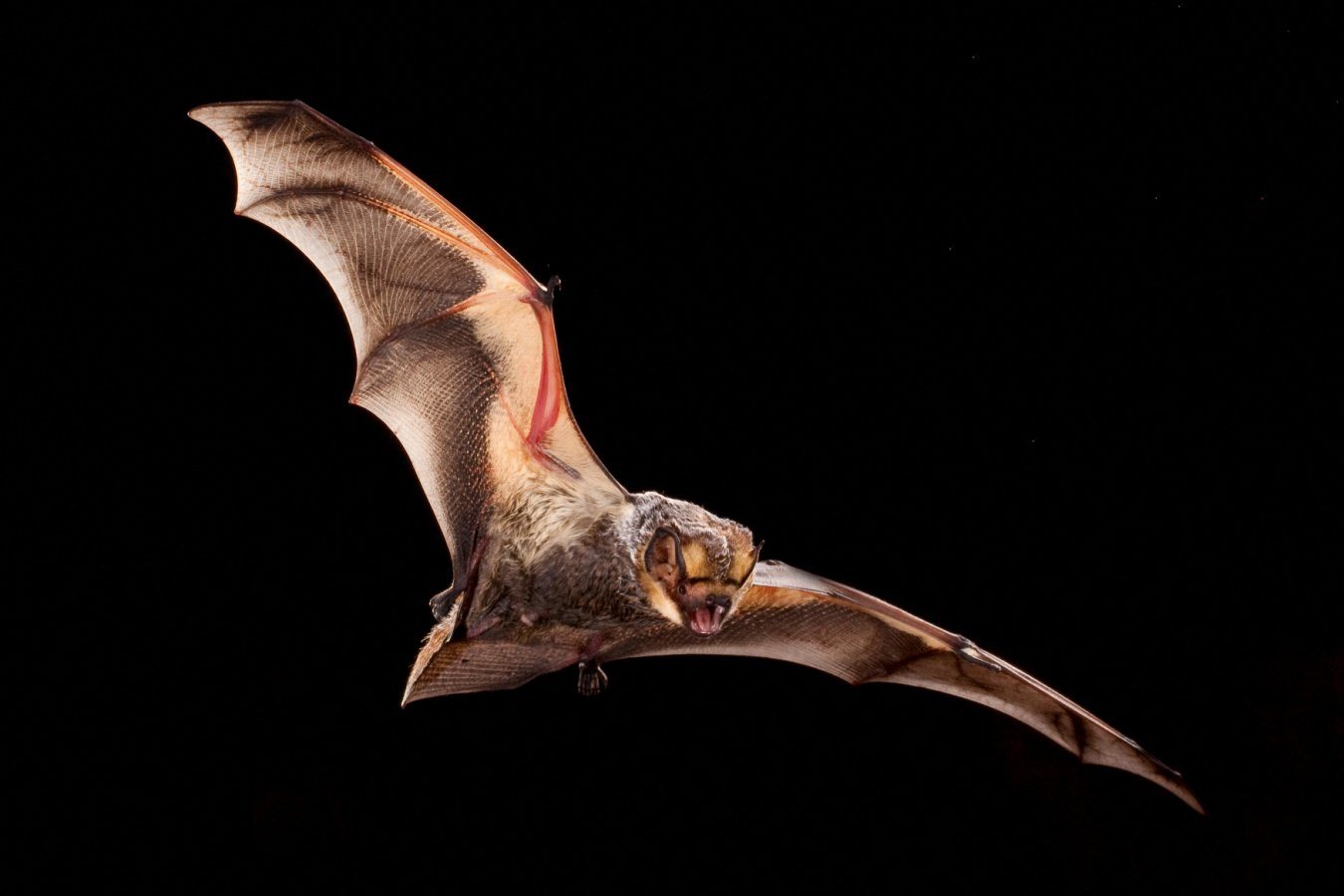
That study, led by scientists at the Fort Collins Science Center in Colorado, estimated that wind turbines killed nearly 19 million bats in the contiguous United States between 1981 and 2024. The researchers analyzed 499 reports from wind farms across the 48 adjoining states, focusing on 10 species, and used a statistical model that accounted for differences in how sites searched for dead bats, turbine size and design, and surrounding environment.
The team estimated that annual deaths have exceeded 1.5 million since 2021, possibly because more turbines have been installed. Hoary bats had the greatest losses, with an estimated 6.7 million deaths, followed by 5.8 million eastern red bats, 3.4 million silver-haired bats and 1.5 million big brown bats. Wind farms near rivers and turbines with longer blades were linked to higher mortality for certain species, while greater clearance between the blades and the ground may reduce the risk.
Bethany Straw, a team member at the Fort Collins Science Center, said that while bats are clearly affected, the data needed to test changes in turbine engineering or siting has been limited. Not all wind farms share their monitoring results, and methods vary from site to site. The researchers hope the findings will help developers choose safer locations and adjust turbine designs. Temporarily shutting turbines down during periods of high bat activity, particularly in low winds, can substantially reduce fatalities with limited loss of electricity production, according to research cited in the study.
12