Mosquitoes that carry dengue, West Nile and other diseases are turning up in areas where they were once rare or absent, and researchers say human activity is a major reason. The trend is raising concern about the spread of mosquito-borne illnesses, including West Nile, Zika and dengue fever.
Florida's struggle with dengue in 2026 offers a clear example. Hillsborough County, home to Tampa, had recorded more than 350 dengue cases by late October, at least one of them fatal. Miami-Dade County had reported more than 200 cases, and the statewide total was still rising in what has been described as the largest dengue outbreak in modern Florida history. More than 400 of the state's over 700 cases were listed as locally acquired from mosquitoes in the area, including many in Hillsborough County and at least seven in the Orlando area.
Climate change is part of the explanation. Rising global temperatures and shorter winters expand the areas where mosquitoes can live and transmit viruses. Increasingly erratic storms, heat and rainfall patterns also leave standing water, which gives mosquitoes ideal breeding conditions.
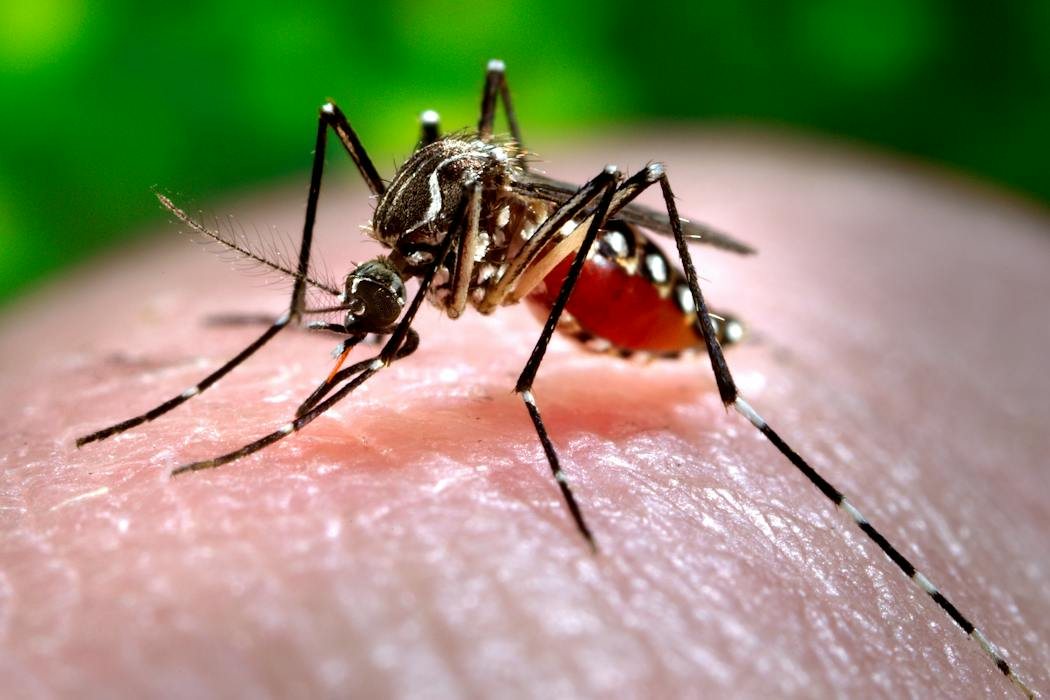
Humans play a central role as well. The species Aedes aegypti, the main transmitter of the viruses that cause dengue, yellow fever, chikungunya and Zika in the Americas, likely arrived in the United States with the slave trade. Aedes aegypti and Aedes albopictus, a more recent arrival in the country that transmits many of the same diseases, are both carried along by the global shipping network. That network can move them to new places and reintroduce them to areas where they had been controlled.
Aedes aegypti is well suited to living around people. A flowerpot saucer, clogged gutter, discarded tire, birdbath or bottle cap can hold enough water for larvae to develop. A single female can lay more than 100 eggs at a time, up to five times during a lifespan of about a month. As suburban neighborhoods expand, they add more of these water-holding containers and bring together the two things the mosquitoes need: standing water and people.
Aedes albopictus, native to Southeast Asia and now found on every habitable continent, shows how far this spread can go. These mosquitoes reached the United States largely through human activity, stowing away on boats and other vehicles, often in used tires or lucky bamboo. Their early dispersal in the country has been linked to the interstate highway system. By 2017 the species had been documented in 1,368 counties across 40 states, and it has continued to expand across much of the eastern and central United States. One of Iowa's first established populations appeared in the Des Moines metropolitan area and has since spread to other communities.
West Nile virus remains the most widespread mosquito-borne disease in the continental United States. It is transmitted mainly by Culex mosquitoes, which are found across much of the country and breed in storm drains, roadside ditches, retention ponds, wetlands and other standing water, thriving in both urban and rural settings.
A 2025 study led by Janey Messina of the University of Oxford projected, based on future temperatures, rainfall and mosquito populations, that wide areas are likely to be suitable for mosquitoes to transmit dengue by 2050. The findings suggest that the pattern seen in Florida and in newly colonized U.S. counties may extend well beyond the places already affected.
12