A new artificial intelligence system could help doctors catch pancreatic cancer long before it shows up on conventional scans. The technology, called REDMOD, identified hidden warning signs an average of 475 days before diagnosis, and it proved nearly twice as sensitive as experienced radiologists.
Pancreatic cancer is among the deadliest forms of the disease, in large part because it is often found at an advanced stage, when treatment options are more limited. By flagging cancer-related changes at their earliest point, the system could give clinicians a window to act while the chances of successful treatment are still considerably better. The source material describes the approach as a way to pick up signals that are invisible to the human eye on standard imaging.
The gap between what the software detected and what radiologists could see is the central finding. REDMOD's advantage lies in its ability to recognize subtle patterns in imaging data that experienced specialists cannot reliably distinguish. Its performance was measured against radiologists working with the same kinds of scans, which is what allowed the comparison in sensitivity to be drawn. The average lead time of 475 days, roughly a year and a quarter, is the figure that gives the finding its practical weight, since it describes how much earlier the warning appeared compared with the moment the disease was formally diagnosed.
The results point toward a possible shift in how pancreatic cancer is screened for, particularly among people at higher risk. Earlier detection would give clinicians more options and more time to plan care. The source material does not detail how the system would be deployed in routine clinical practice, what regulatory or validation steps would be needed before wider use, or how it would be integrated into existing imaging workflows.
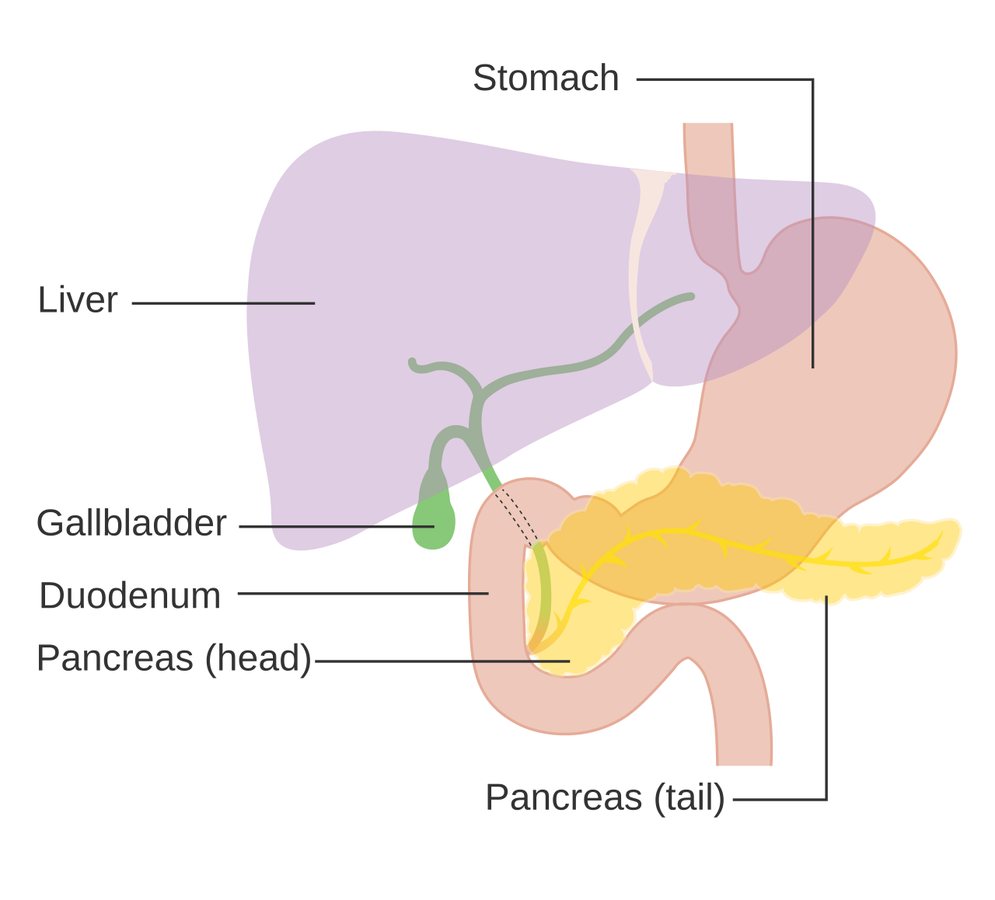
Pancreatic cancer remains difficult to treat in part because the organ sits deep in the abdomen and its early changes rarely cause noticeable symptoms, which is why conventional scans often miss the disease until it has progressed. A tool that can read earlier, subtler signals therefore addresses a specific bottleneck in the disease's care pathway rather than offering a general improvement. Any clinical adoption would still have to confirm that earlier flags translate into better outcomes for patients, a question the initial findings alone cannot settle.
11