Scientists have proposed a way to detect “mirror life,” a hypothetical form of life that could pose serious risks to humans, animals and ecosystems if it were artificially created. The approach relies on special fluorescent molecules and a type of polarized light also used in 3D movie technology, which researchers believe could distinguish ordinary organisms from their mirror-image counterparts.
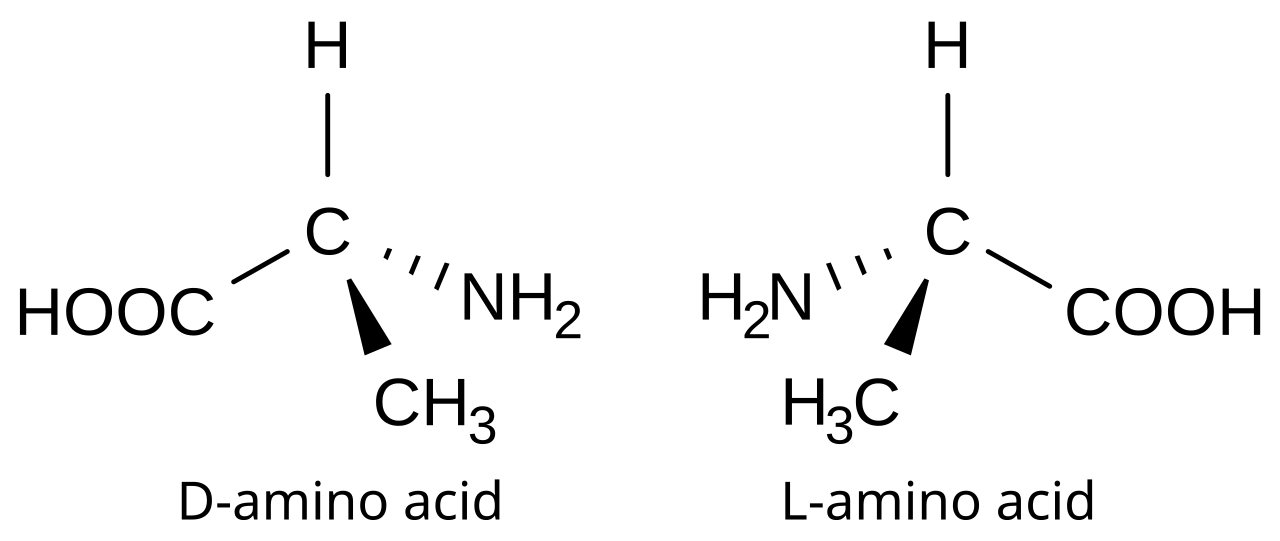
Mirror life refers to organisms built from molecules that are the mirror images of those found in known life. Many biological molecules are chiral, meaning they exist in left- and right-handed forms that cannot be superimposed on one another, much as a left hand cannot be placed perfectly over a right one. Living things on Earth use one handedness almost exclusively. A life form built from the opposite versions of these molecules would be unfamiliar to existing biological systems, which is the source of concern about its potential risks.
The proposed detection method is designed to work before such organisms exist, giving researchers and regulators a way to recognize mirror-image biology early. By using fluorescent markers that respond differently to polarized light depending on molecular handedness, scientists could in principle tell natural organisms apart from their hypothetical mirror-image versions. The technique draws on the same light-polarization principles that allow stereoscopic 3D films to present separate images to each eye.
The concern centers on the possibility that organisms built from mirror-image molecules could interact unpredictably with humans, animals and ecosystems. Existing immune systems and ecological food webs are not adapted to recognize or break down such molecules, which is why the researchers see a value in identifying the risk before any such organism is made.
The researchers present the idea as a safeguard rather than a sign that mirror life is imminent. Because the scenario is hypothetical, the proposal is framed as preparation: a screening tool that could support oversight of synthetic biology research if such work ever moves in that direction. Early detection, in their framing, would give scientists and policymakers time to assess a threat before it becomes established in the laboratory or the environment.
15