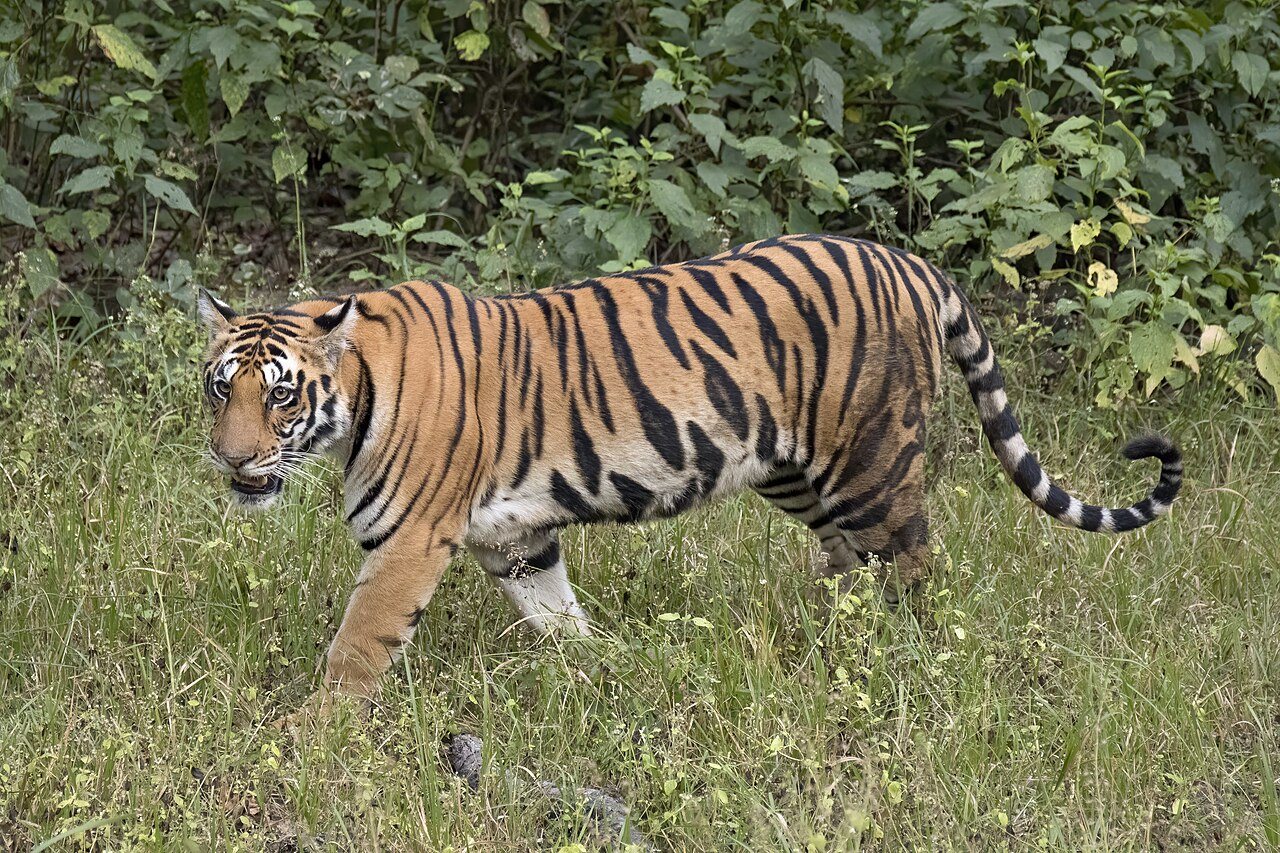
A leopard guarding its hard-won kill faces a hungry hyena, while a hotrod ant closes in on a deadly antlion trap. Both scenes feature in a new BBC Earth video showcasing unforgettable moments from Africa's wilderness.
The footage captures the tense standoff over the leopard's meal, where the predator must defend its prey from a scavenger ready to take it. Hyenas are known for their persistence at kills, and the clip shows how quickly a successful hunt can become a contest for survival. The video's description frames the encounter as one of the wilderness's most dramatic moments, and the leopard's struggle to keep its meal is the central tension of the sequence.
Elsewhere in the film, the focus shifts to the smallest scale of the African landscape. The hotrod ant, a fast-moving insect, is shown approaching an antlion trap, a pit dug in loose sand that leaves little chance of escape for anything that tumbles into it. The sequence underlines how predators and prey operate at every level of the ecosystem, from large carnivores down to insects, and how a threat that seems minor can be lethal in its own environment.
The clip is presented under the banner of BBC Earth, the broadcaster's natural history brand, which describes its catalogue as spanning 50 years of entertaining and thought-provoking content. The channel says its material is dramatic, rare and exclusive, and promises stories about the world's natural wonders. The video is also identified as a commercial page from BBC Studios, the commercial arm of the BBC, with service information and feedback directed to a separate contact page.
Viewers are directed to a range of related playlists, including Best of BBC Earth, Best Animal Fights, videos over 10 minutes, Planet Earth III, Frozen Planet II and Blue Planet II in 4K. Together these collections point to the wider series in which BBC Earth's wildlife footage is presented, from savanna and ocean to polar landscapes. The release also carries hashtags for BBC Earth, animals, nature and wildlife, reflecting the subjects the channel groups together.
The video description offers no figures, researcher names or direct quotations, so the details of the leopard's kill, the hyena's approach and the ant's fate are described only in general terms. The channel's own framing, however, places these scenes within its broader mission to show the planet's wildlife to a general audience through high-resolution filming in 4K ultra high definition.
20