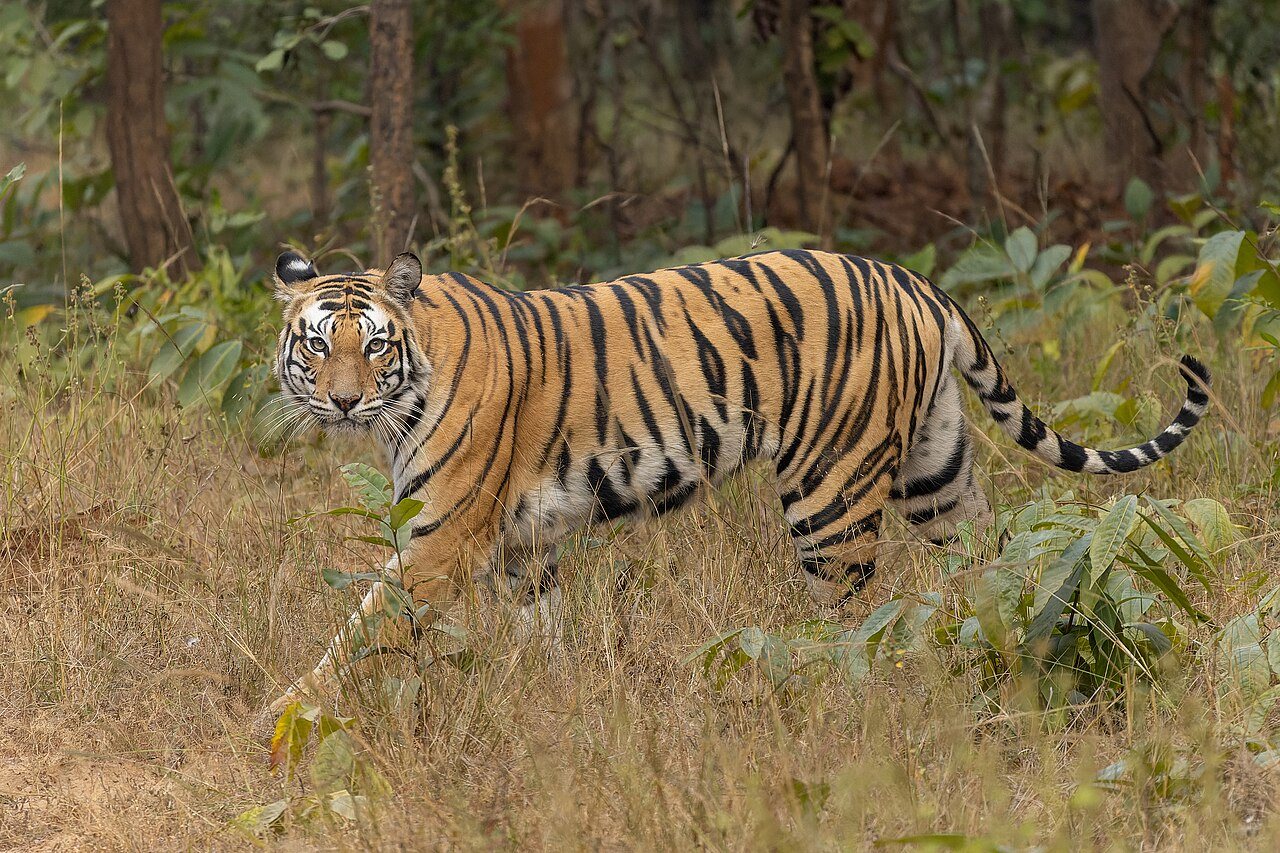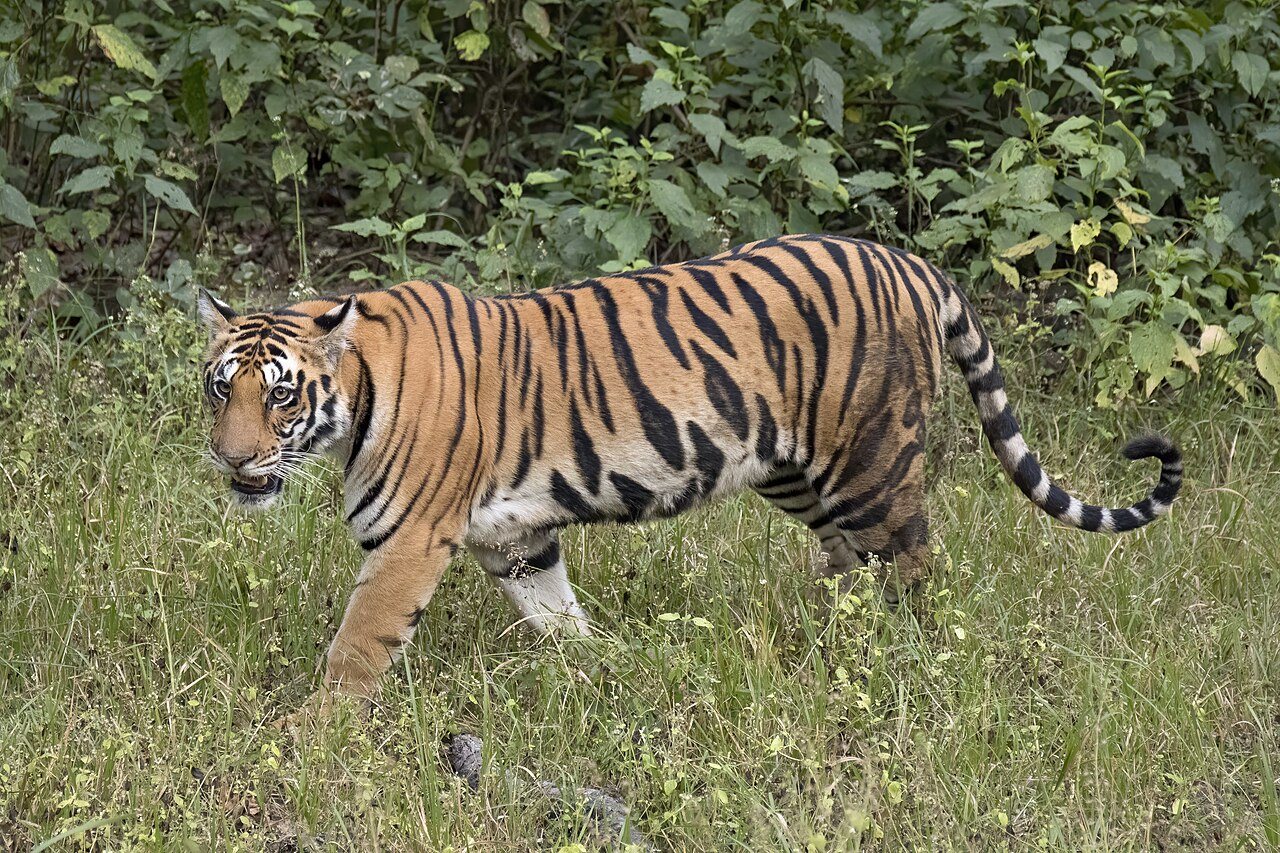
The PBS Nature documentary «Tiger Island: Part One» premiered on October 21, 2026, bringing viewers a close-up view of tiger behavior and the exhausting realities of tiger motherhood. A promotional clip from the program highlights a tigress who appears desperate for a nap, a moment that captures the relentless demands placed on mothers raising cubs in the wild.
The footage, shared as a short video, shows the tiger mother in a moment of rest that is quickly interrupted or threatened by the constant needs of her offspring. The clip is part of a broader push by the long-running Nature series to connect audiences with wildlife through relatable, emotionally resonant scenes. The program airs on PBS and is produced by Thirteen Productions LLC for WNET, one of the most-watched documentary strands on American public television.
Tiger mothers in the wild face significant challenges. A tigress typically raises cubs alone, nursing and protecting them for up to two years while also hunting to feed herself and her growing family. The energy expenditure is enormous, and resting opportunities are rare. The «Tiger Island» footage offers a window into that daily grind, showing that even apex predators are not immune to the fatigue of parenting.
The documentary series is part of Nature’s broader mission to showcase wildlife and ecosystems from around the world. «Tiger Island» focuses on the lives of tigers in a specific habitat, though the promotional material does not specify the location. The program’s title suggests an island setting, which could refer to one of the many islands in tiger range countries where the animals persist, such as in the Sundarbans or Sumatra. However, the source material does not confirm the filming location.
The clip’s caption, which includes the hashtag «tiredmom», leans into the relatable humor of a mother who just wants a break. That approach is consistent with Nature’s strategy of using social media to reach new audiences and humanize wildlife stories. The full episode is available through PBS’s official channels, and the series encourages viewers to subscribe for more content.
For readers interested in tiger conservation, the program comes at a time when wild tiger populations remain fragile. Habitat loss, poaching, and human-wildlife conflict continue to threaten the species across its range. Documentaries like «Tiger Island» can play a role in raising awareness about the pressures these animals face, including the challenges of raising cubs in an increasingly crowded world.
The premiere of «Tiger Island: Part One» on October 21, 2026, marks another entry in Nature’s long history of wildlife filmmaking. The series has won numerous awards and is known for its high production values and scientific accuracy. While the short clip focuses on a single, lighthearted moment, the full program likely delves into the broader ecology and behavior of tigers, offering viewers a deeper understanding of one of the world’s most iconic big cats.
11