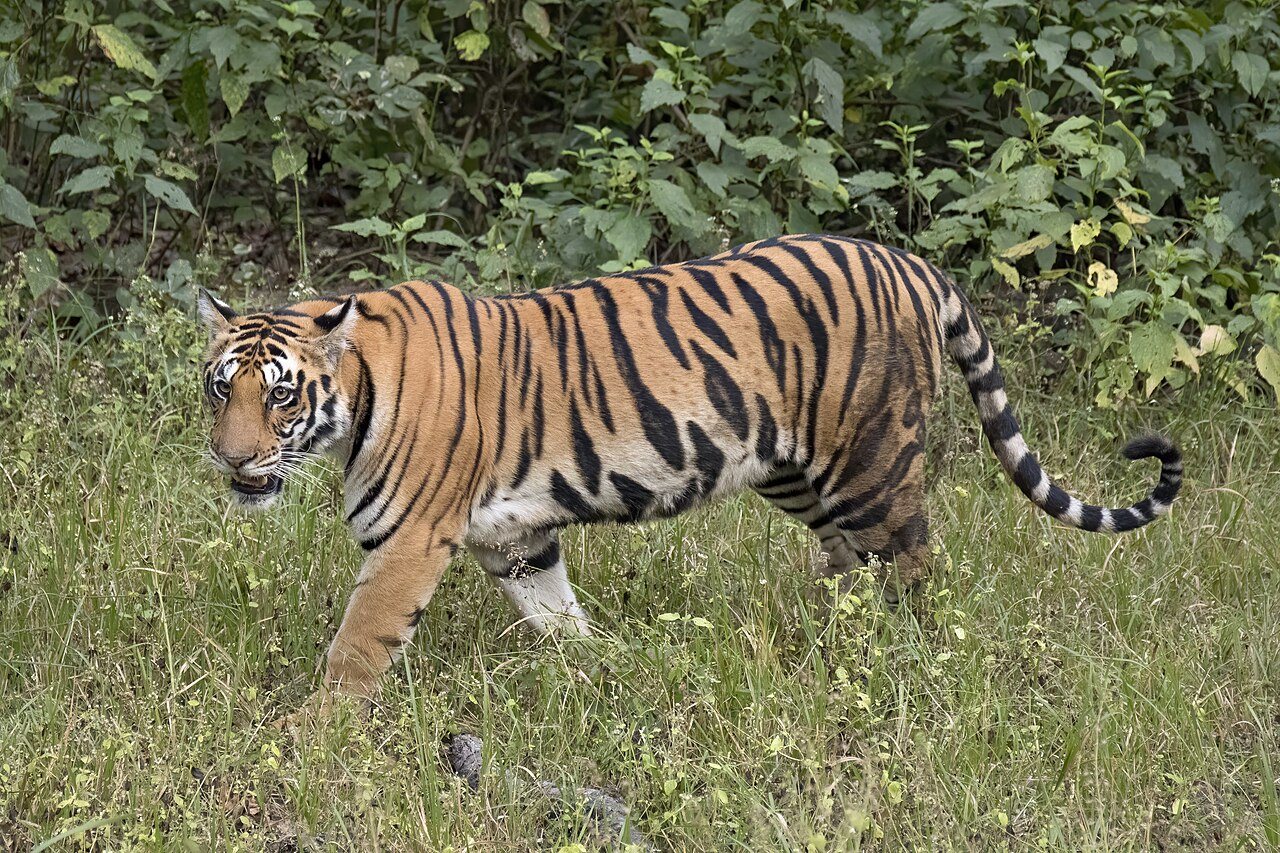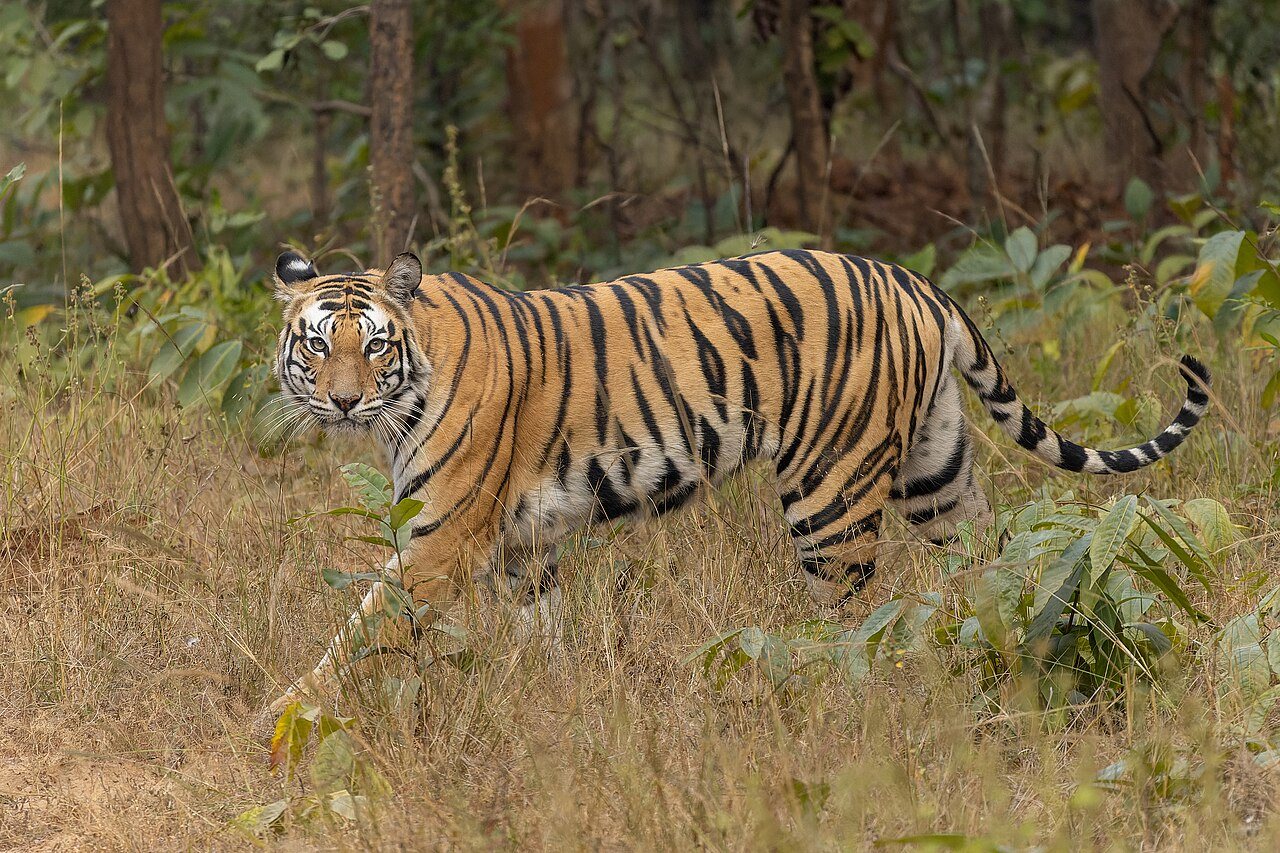
A new installment of the PBS Nature documentary series is offering a rare nighttime view of tiger behavior in Nepal, using thermal cameras to capture the animals after dark. The film, Tiger Island: Part Two, reveals previously unseen interactions among tigers, including the efforts of a new mother to keep her growing cub out of trouble and the threat posed to another tigress's cubs by the returning male known as the king of Tiger Island.
The documentary premiered Wednesday at 8/7c on PBS. It is part of the long-running Nature series, which is produced by The WNET Group for PBS and has consistently ranked among the most-watched primetime series on public television. The use of thermal imaging allowed the crew to observe tigers in low-light conditions without disturbing them, providing a window into behavior that is difficult to study in daylight.
The footage centers on the challenges facing tiger mothers in the wild. One tigress must manage a cub that is growing more mobile and curious, while another faces the return of a male tiger whose presence puts her cubs at risk. The documentary presents these events as part of the natural dynamics of tiger society, where territorial males can pose a danger to young offspring. The thermal cameras captured these interactions at night, when tigers are most active and when human observation is typically limited.
The program is the second part of Tiger Island, a documentary focused on the lives of tigers in Nepal. It highlights the role of technology in wildlife filmmaking, particularly the use of thermal imaging to reveal behaviors that would otherwise go unnoticed. The film also underscores the importance of public broadcasting in bringing natural history to a wide audience, with support from viewers and local PBS stations.
Nature has a long history of documenting wildlife around the world, and Tiger Island: Part Two continues that tradition by combining new filming techniques with close observation of individual animals. The documentary is available through PBS platforms, including the PBS Video App, and is accompanied by online resources and social media content from the series.
The film's focus on a mother's vigilance and the threat from a returning male offers a look at the social pressures that shape tiger populations. While the documentary does not present new scientific findings, it provides visual evidence of behaviors that researchers and conservationists study in the field. The use of thermal cameras in Nepal adds to a growing body of footage that helps illustrate the hidden lives of large predators.
For viewers, the program offers an accessible entry point into tiger ecology and the challenges of observing elusive animals in their natural habitat. The documentary's premiere on PBS makes it widely available to American audiences, continuing the series' mission of connecting the public with the natural world.
15