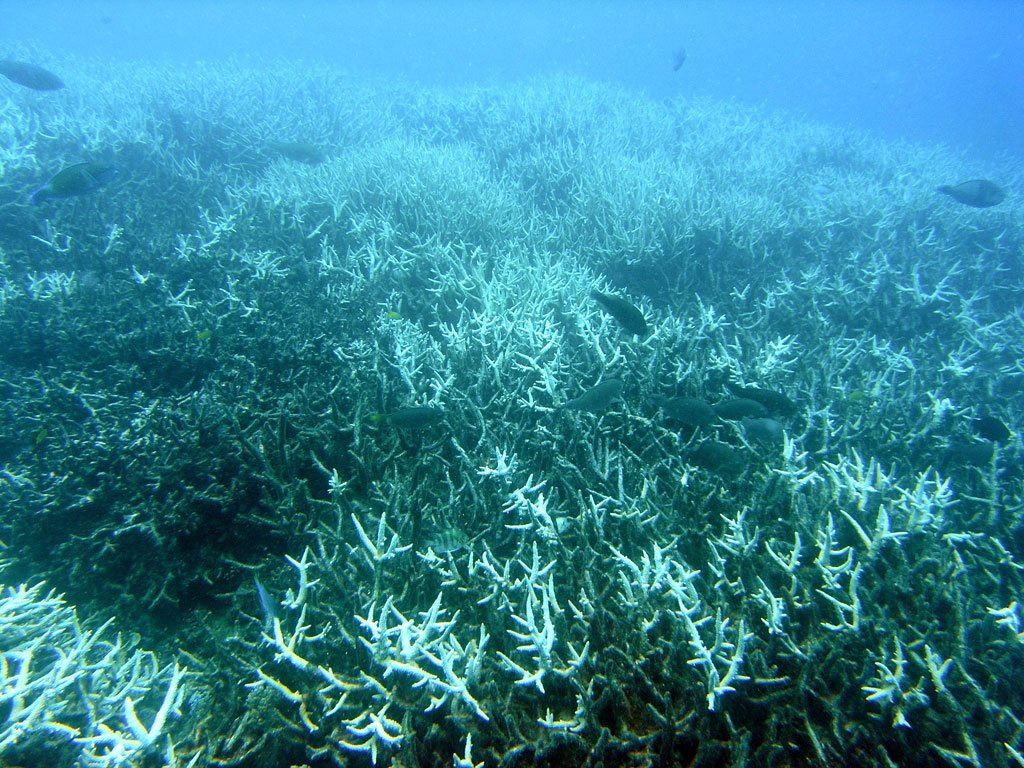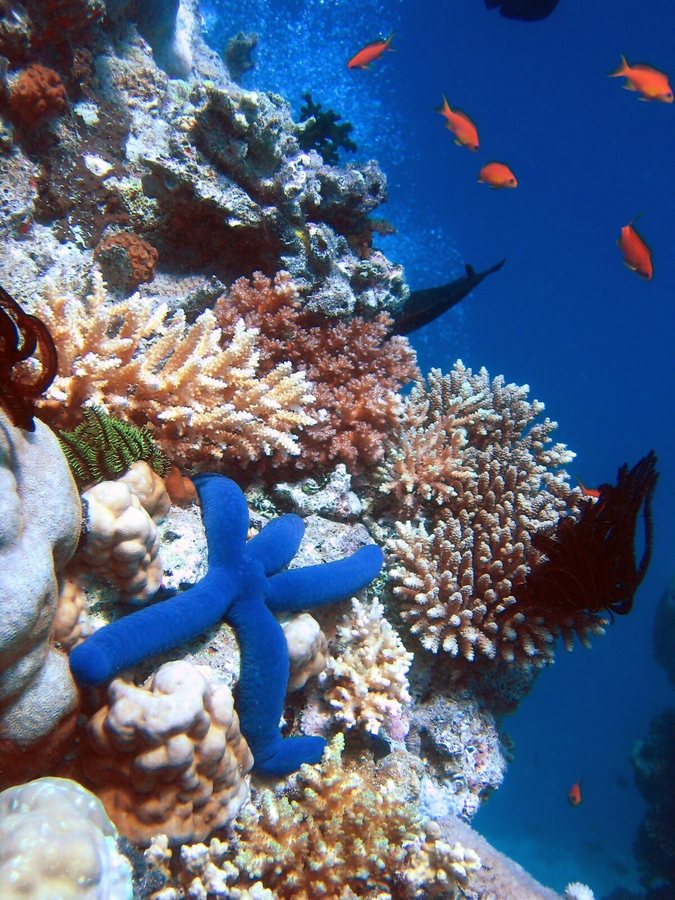
With nearly half of all coral species facing extinction and a developing super El Niño expected to further warm oceans already heated by climate change, scientists are turning to unconventional methods to help reefs survive. Researchers in the Caribbean are playing what they describe as lullabies through underwater speakers to encourage tiny coral larvae to settle, while in Thailand a low-tech coral hotel is being used to raise resilient young corals.
The approaches reflect growing urgency. A United Nations assessment by nature advisers found that almost every shallow-water coral reef on the planet, including Australia's Great Barrier Reef, faces a high risk of ecosystem collapse before 2075 because of global heating. About 24 percent of the world's reefs across more than 80 countries are already critically endangered, the assessment said, but when the expected impacts of global heating were added, that figure rose to 96 percent.
Scientists say the numbers should serve as a wake-up call. Coral reefs support vast marine biodiversity and provide food, coastal protection and income for hundreds of millions of people, making their decline a threat that extends well beyond the ocean. The dual pressures of chronic warming and the arrival of a super El Niño — a climate pattern that can push sea temperatures even higher — leave researchers searching for ways to buy reefs time.
The underwater speaker experiment in the Caribbean targets one of the most delicate stages in a coral's life. Coral larvae drift in the water column before settling on a surface and beginning to build a colony. Sound may act as a cue that helps them find a suitable habitat, which is why researchers are testing whether recorded reef sounds can draw larvae to restoration sites. In Thailand, the coral hotel takes a different, lower-tech approach: raising young corals in protected conditions so they can be transplanted once they are hardier.
Both projects are part of a broader international effort to develop what some researchers call super-corals — varieties bred or selected for greater tolerance to heat. Such work remains experimental, and scientists caution that no single intervention can substitute for reducing the greenhouse gas emissions driving ocean warming. Restoration can only succeed if the conditions reefs need to survive are preserved.
The assessment by UN nature advisers underscores the scale of the challenge. Its finding that 96 percent of shallow-water reefs face collapse risk before 2075, once warming is factored in, marks a sharp increase from the 24 percent already classified as critically endangered. The advisers framed the result as a warning about the pace at which global heating is transforming marine ecosystems.
For now, the lullabies and coral hotels represent small-scale attempts to help new corals settle, grow and thrive. Whether such techniques can be scaled up to make a difference across entire reef systems is an open question, but researchers say the search for answers cannot wait while reefs decline.
11