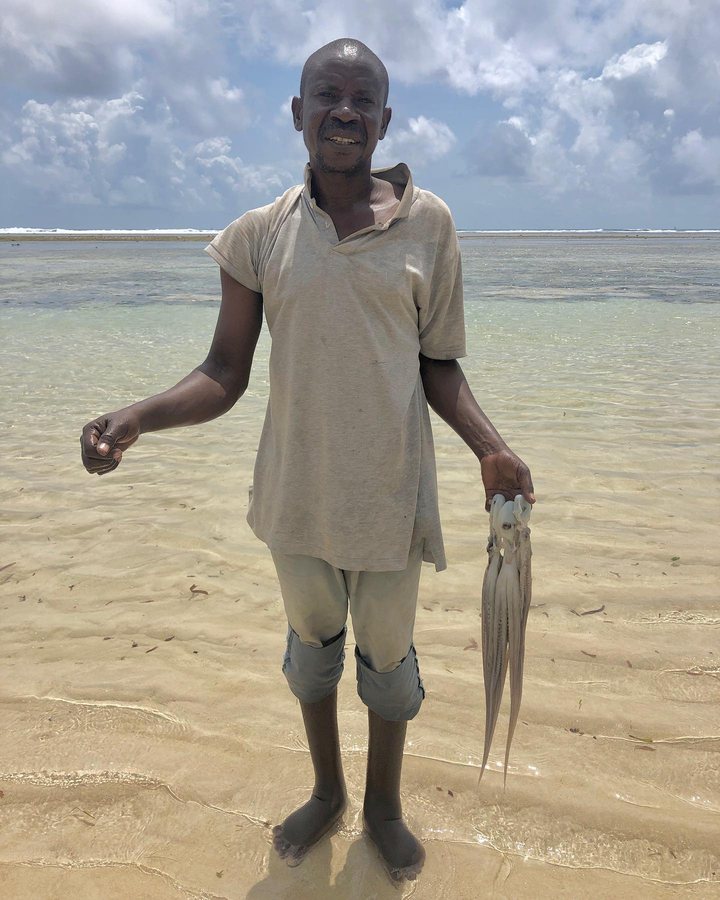
An octopus leaves the sea in search of prey, abandoning the water she needs to survive. The sequence, featured in the latest Blue Planet III series narrated by Sir David Attenborough, shows how a clever hunting strategy can quickly become a struggle to stay alive under the scorching summer sun.
The episode follows the animal as hunger pushes her onto land. Once out of the water, she is exposed to heat and dehydration, and her hunt turns into a race against time. The BBC describes the encounter as a fight for survival, underscoring the risks that marine animals take when they venture into an environment that is hostile to them.
The footage is part of a series that returns nearly a decade after Blue Planet II drew global attention to plastic pollution, and 25 years after the first Blue Planet aired. Producers say Blue Planet III focuses on new stories and lives hidden beneath the oceans, with more animal behaviour and cutting-edge technology. Among the tools highlighted is what the production calls the world's first underwater CCTV camera, dubbed the « stonefish » cam, which is designed to record marine life without a camera crew on site.
The series also addresses a question that has grown more pressing amid the rise of artificial intelligence. Producers have said the show deliberately includes cloudier, less polished footage to counter AI fakery and assure viewers that what they see is authentic. In their view, rougher images signal that the animals on screen are real and not computer-generated, a point that matters to audiences who increasingly encounter synthetic video online.
The octopus sequence illustrates both the ingenuity and the vulnerability of wildlife. A behaviour that helps an animal feed can also expose it to danger when conditions change, and the episode presents that tension through direct observation rather than commentary alone. Viewers are left to weigh the animal's determination against the heat and dryness it faces on land.
Blue Planet III continues a franchise that has shaped how the public thinks about the oceans for a quarter of a century. The original series first aired 25 years ago, and the second instalment helped bring the scale of plastic pollution into mainstream conversation. The new run keeps that focus on the marine world while adding stories of animal behaviour that have rarely been filmed before.
11