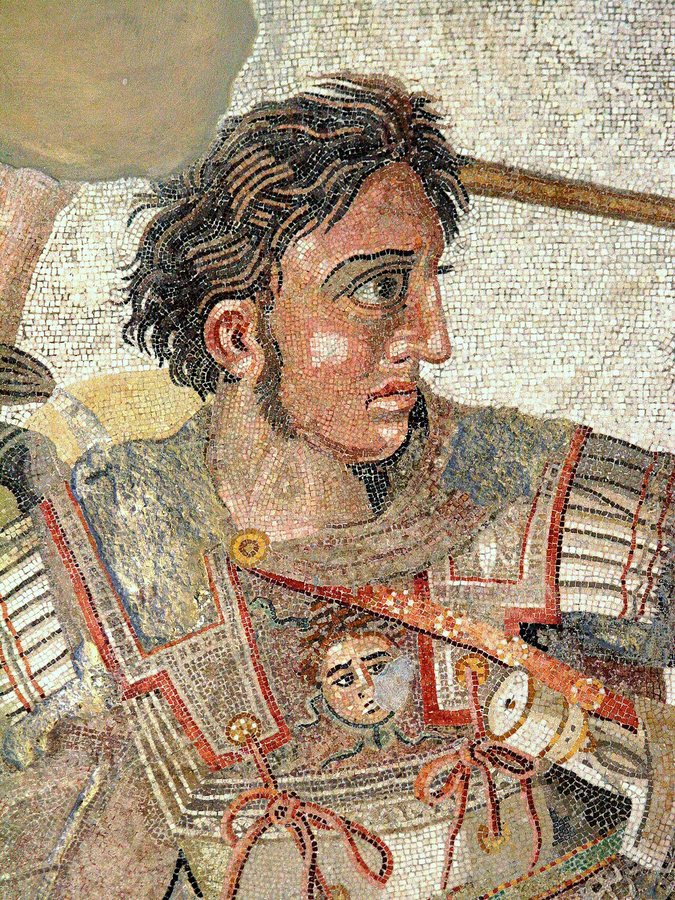
Archaeologists are still searching for the lost tomb of Alexander the Great, one of the most enduring mysteries in their field. A National Geographic episode of Lost Treasures of Egypt follows research teams as they work through catacombs and sacred ruins in the hope of locating the Macedonian ruler's burial place, and in the process they are gathering new information about his time as pharaoh.
Alexander the Great, after his conquest of much of the ancient world, was crowned pharaoh of Egypt and founded the coastal city of Alexandria. The episode traces how the Macedonian king came to rule Egypt and asks a question that has followed him for centuries: was he the greatest general in history? It explores how he won control of the country and how a Macedonian king came to be accepted as a ruler of the Nile kingdom, a transition that shaped the region for generations.
The program moves across several sites that form the backbone of its investigation. It opens in Alexandria, the Greek pharaoh's capital, and then turns to discoveries made at Philadelphia and Taposiris Magna. From there the teams descend into the Saqqara catacombs, where they look for clues that could help place Alexander's reign within the older religious and funerary traditions of Egypt. Later chapters take viewers into the sacred vaults of the Apis bull cult, a religious institution whose remains offer evidence of the belief systems that Alexander's administration had to navigate.
The episode also turns to the wealth of Egypt after Alexander's death, a period when the kingdom remained one of the richest and most influential states of the Mediterranean world under the dynasty that followed him. Researchers look for clues in the archaeological record that could reveal how that prosperity was built and how the political transition affected ordinary life along the Nile. The search for Alexander's tomb runs alongside these investigations, and the program presents it as one of the central threads of the story rather than a separate quest.
The closing chapters consider the cultural legacy of Alexander the Great, whose influence extended well beyond his death. The city he founded became one of the most important intellectual and commercial centers of the ancient Mediterranean, a reputation it held for centuries. The episode frames that legacy as the reason his name remains so widely known, and as the reason the question of where he was buried still draws archaeologists back into the field. Viewers can stream the full episode on Disney+ or through National Geographic's online channels.
12