A superconducting material that has been studied for 40 years turns out to be far more complicated than researchers had believed. Advanced three-dimensional imaging has revealed a hidden patchwork of crystal structures inside the material, separated by unusually wide boundaries that may undermine its ability to conduct electricity without resistance.
The findings challenge decades of scientific assumptions about how these materials behave. Superconductors are valued because they carry electrical current with no energy loss, a property that could reshape power transmission, medical imaging and computing if it can be harnessed reliably. Because of that promise, even a small structural surprise in a well-studied material can carry large consequences for the field.
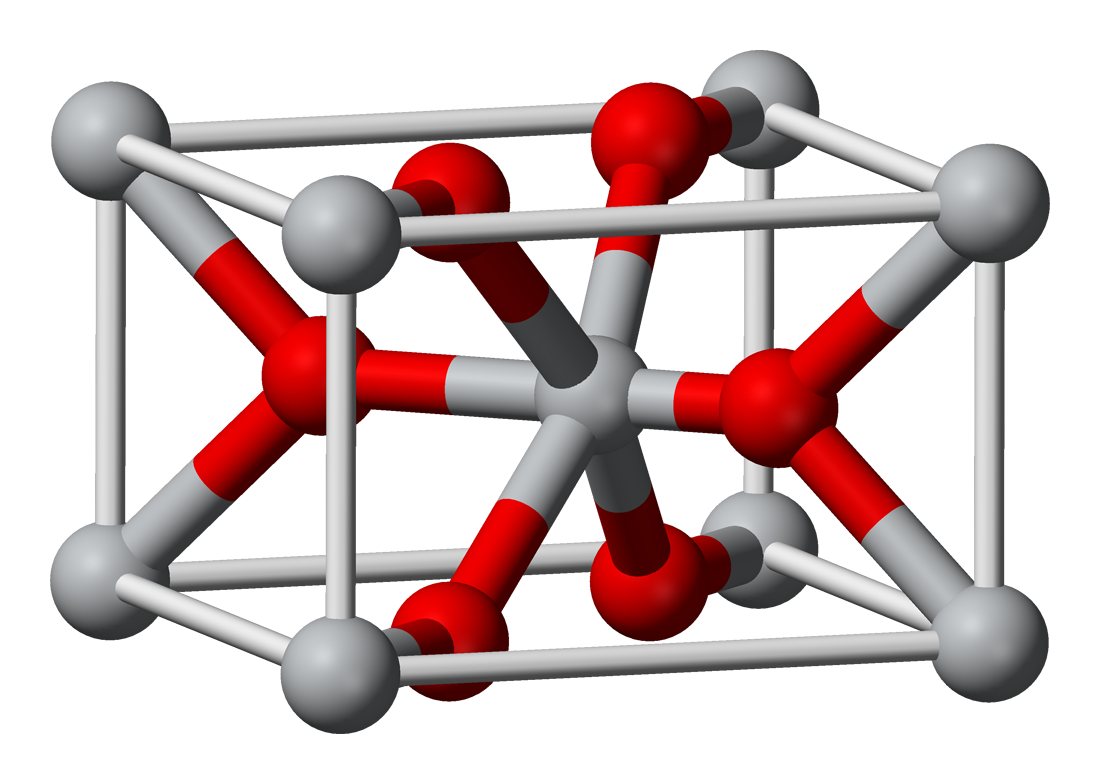
The imaging shows that the material is not the uniform crystal that earlier work took it to be. Instead, it is made up of many distinct regions, each with its own crystal arrangement, and the interfaces where these regions meet are wider than expected. Researchers indicate that these boundaries may act as obstacles that weaken superconductivity, interrupting the smooth flow of current the material is meant to allow.
The discovery also offers a possible explanation for a question that has lingered in the field: why some superconductors outperform others. If the structure and width of these boundaries differ between samples or between materials, they could account for performance gaps that older models struggled to explain.
The work depended on imaging techniques able to map the internal architecture of the material in three dimensions, rather than the surface-level or averaged views that earlier studies relied on. That capability allowed scientists to see patterns that less detailed methods had obscured, a reminder that the tools used to examine a material can shape what researchers are able to learn about it.
The results point toward revisiting established theories and examining other superconductors for similar hidden features. Because the boundaries appear to influence performance, future efforts to design better superconducting materials may need to account for their structure and width rather than treating the material as a single, uniform whole. Any such shift would mean that a substance studied for four decades still held details that only newer measurement methods could reveal.
14