Older adults who closely followed the Mediterranean diet had higher levels of two tiny proteins linked to protection against heart disease, Alzheimer's disease and age-related damage, according to new research from the University of Southern California. The finding offers a possible biological explanation for why the eating pattern is so widely associated with heart health, brain health and healthy aging.
The proteins, humanin and SHMOOSE, are produced by mitochondria, the structures inside cells that generate energy. Scientists have previously connected both proteins to protective effects in the body, and the USC team found that their levels rose in people who adhered more closely to the diet. The study points to a link between what people eat and the activity of these small molecules inside their cells.
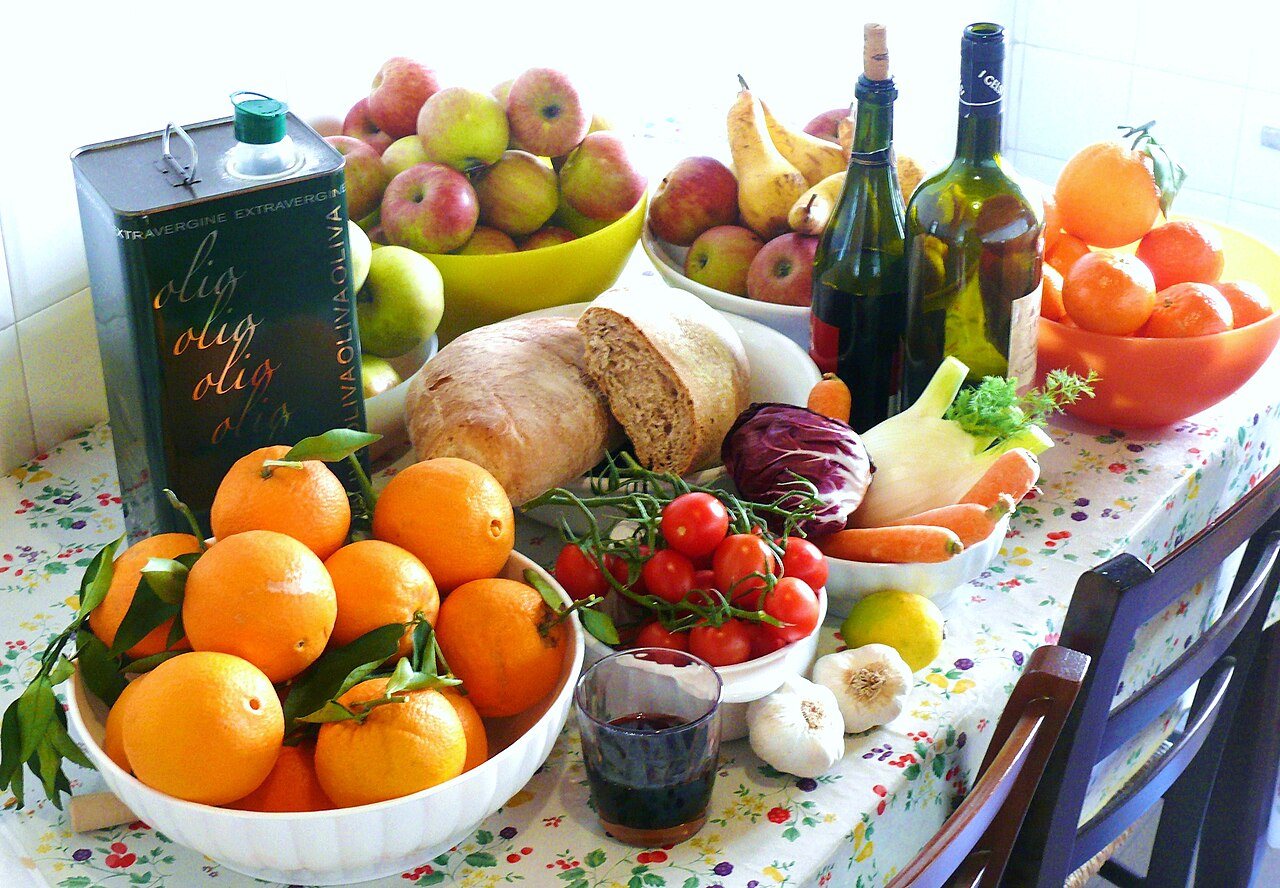
The Mediterranean diet is generally built around vegetables, fruits, whole grains, legumes, nuts, olive oil and fish, with relatively little red meat. It has long been studied for its association with lower rates of cardiovascular disease and cognitive decline. Researchers have often struggled to explain the mechanisms behind those benefits, and the discovery of diet-related changes in mitochondrial proteins adds a new line of inquiry.
The results suggest that mitochondria may be one pathway through which dietary habits influence long-term health. Because humanin and SHMOOSE have been tied to protection against several age-related conditions, the researchers' observations raise the possibility that these proteins could eventually serve as indicators of how well a diet supports healthy aging. The source material does not specify whether higher levels of the proteins are the direct cause of the benefits, and further research would be needed to establish that relationship.
19