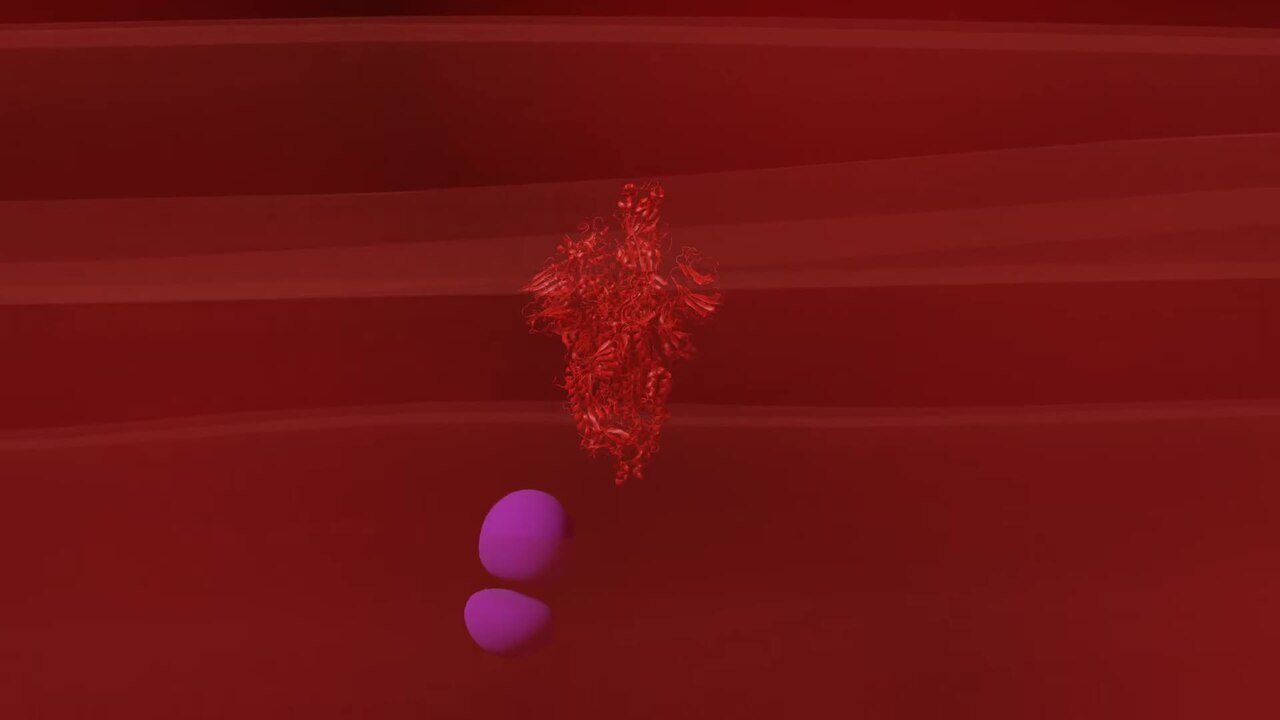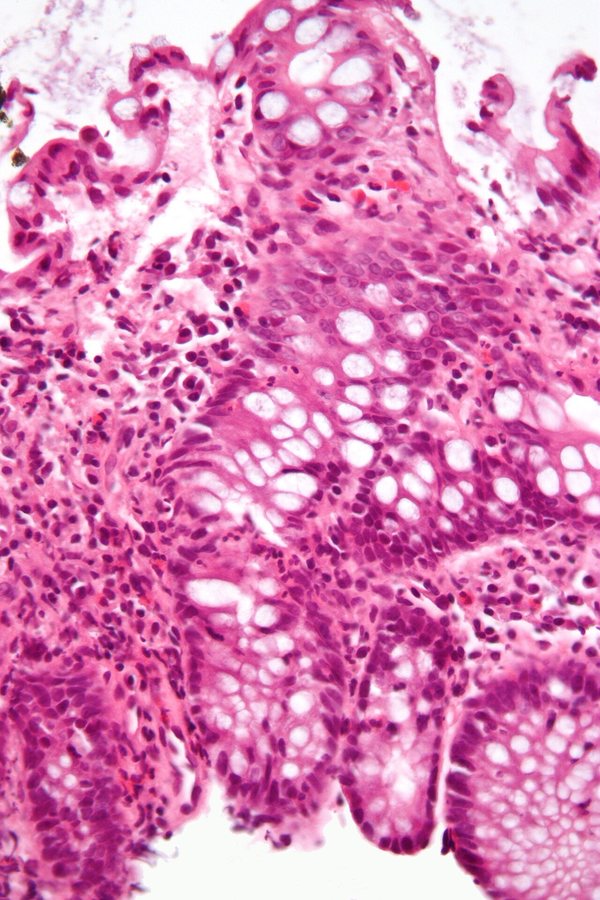
Hidden warning signs of inflammatory bowel disease may appear in the blood up to 10 years before a diagnosis is made, according to a major new study. Researchers identified distinct antibody patterns that could help predict which people will later develop Crohn’s disease or ulcerative colitis.
The findings point to a possible way of spotting risk long before symptoms become severe. Inflammatory bowel disease is a chronic condition in which the immune system attacks the digestive tract. Both Crohn’s disease and ulcerative colitis can cause persistent abdominal pain, diarrhea and fatigue, and because these illnesses often develop gradually, many patients are not diagnosed until their symptoms have already disrupted their daily lives.
According to the study, the antibody patterns did more than flag future disease in general. They also appeared to distinguish people who were at risk of more complicated forms of the disease. That distinction could matter for deciding how closely a patient should be monitored and when treatment might begin, since a clinician who knows a person is headed toward a more serious course can plan follow-up accordingly.
The research fits into a broader effort to shift care for chronic inflammatory conditions from reacting to symptoms toward anticipating them. A blood-based marker that identifies elevated risk years in advance could, if confirmed in further work, give doctors an earlier opportunity to intervene. Researchers have not yet established whether such a test could be used in routine clinical practice, and the source material does not detail the specific antibodies identified, the size of the study population or the length of the follow-up period, so those points remain unconfirmed.
Any future test would need to be validated across different populations before it could guide decisions about individual patients. Until then, the study is best understood as evidence that the blood carries measurable signals of inflammatory bowel disease well before a diagnosis, and as a starting point for research into whether those signals can be turned into practical tools for earlier care.
11