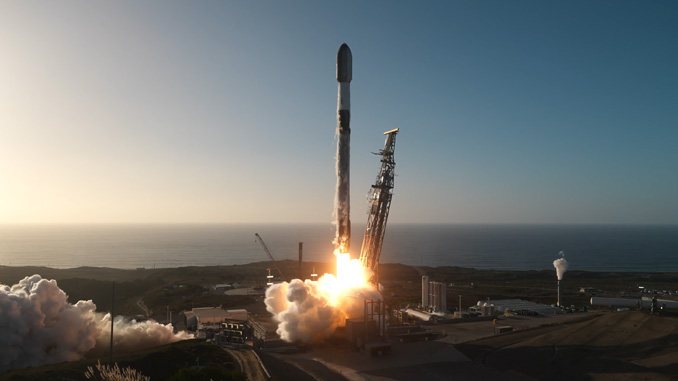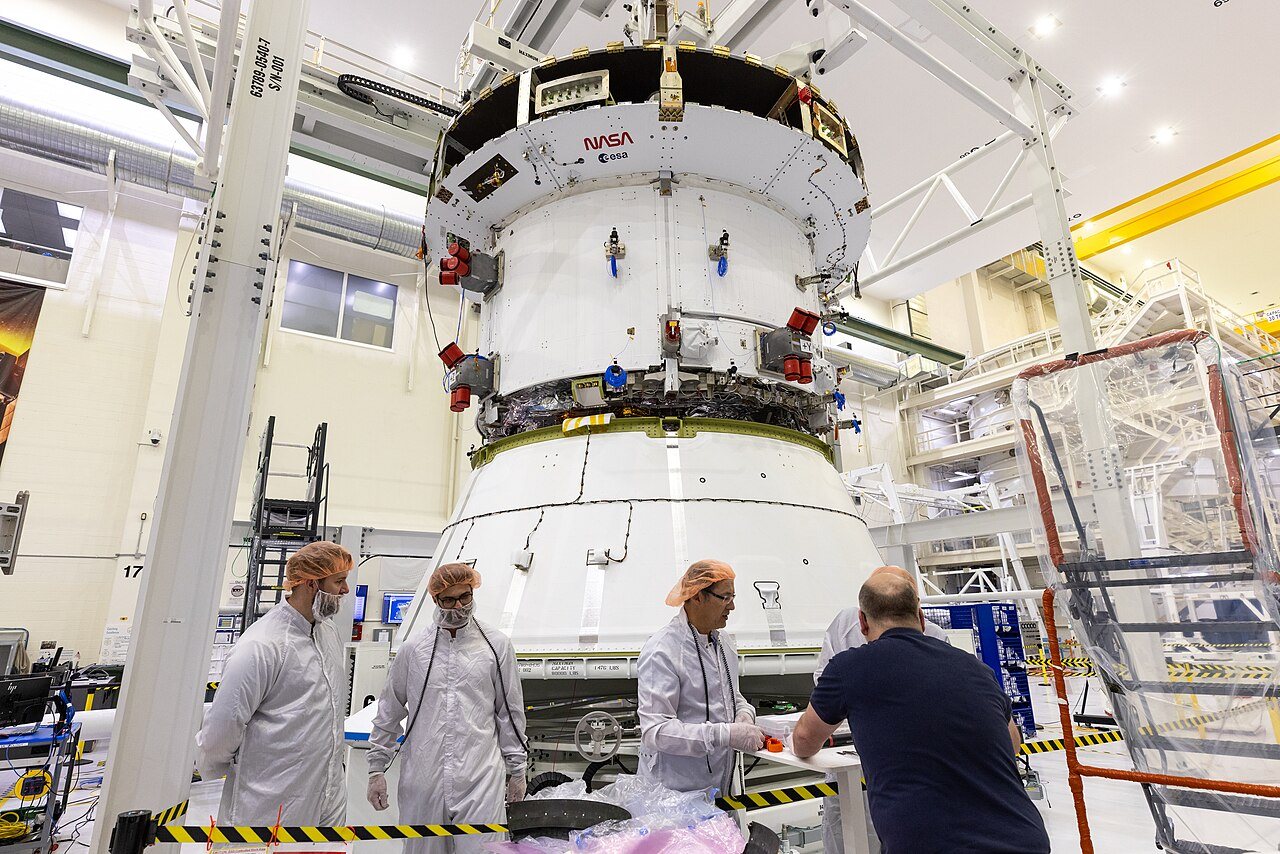
NASA has laid out a densely packed 14-day schedule for Artemis III, the agency's planned crewed mission to the moon, scheduled for the summer of 2027. The mission is expected to play a pivotal role in determining whether SpaceX or Blue Origin will supply the lunar lander that carries astronauts to the lunar surface, the first such crewed trip in decades.
The timeline underscores how much the mission has to accomplish in a short window. Two weeks is a tight period for a crewed lunar operation, and the schedule reflects the sequence of tasks that must be completed for the landing to succeed and for the crew to return safely. Because the lander choice is tied to the mission plan, the schedule also carries weight for the commercial partners competing for the contract.
The 2027 target places Artemis III in the broader effort to return people to the moon after more than five decades without a crewed lunar landing. The program has been built around a series of missions meant to test systems and procedures before a surface landing, and the planned summer 2027 date is the point at which that work is expected to culminate in a crewed touchdown.
The choice between SpaceX and Blue Origin matters beyond a single contract. Each company is developing a lander intended to carry astronauts from lunar orbit to the surface and back, and the outcome will shape which private firm becomes central to NASA's human lunar ambitions. The decision therefore links the scheduling details of a single mission to the longer trajectory of the agency's commercial and exploration strategy.
Further details of the mission's daily sequence and the specific roles of each partner were not fully laid out in the available reporting, and the timing of the final lander selection remains tied to how the schedule develops. What is clear from the announcement is that Artemis III is designed as a demanding, time-constrained crewed mission, and that its outcome will influence both the landing hardware and the companies behind it.
15