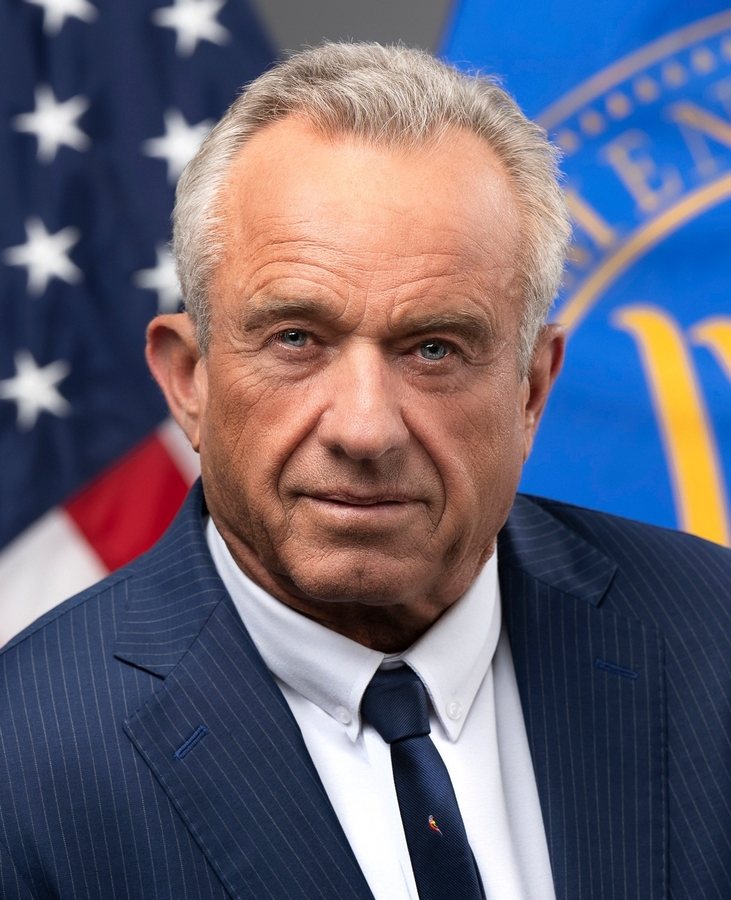
Health Secretary Robert F. Kennedy Jr. plans to select a researcher aligned with the Make America Healthy Again movement to head the National Institute of Mental Health, a $2.2 billion agency, according to the source report. The decision would override the preference of the National Institutes of Health director for the post.
The candidate is described as a leader of the "metabolic psychiatry" movement, an approach that links mental health conditions to metabolic factors such as diet and blood sugar regulation. Kennedy has pushed the idea that nutrition and chronic disease play a central role in health, a theme that runs through the broader MAHA agenda.
The NIMH is one of the largest funders of mental health research in the United States, supporting studies on depression, schizophrenia, anxiety and other disorders. Its director sets research priorities and oversees grants that shape the direction of psychiatric science for years, which is why the leadership choice draws close attention from researchers and clinicians. The institute's budget and reach mean that its priorities can influence which questions receive funding and which treatments are studied in depth.
The report indicates that the move reflects a clash between the health secretary and the NIH director over who should lead the institute. The NIH director, who oversees the institute as part of the broader federal research network, had favored a different candidate for the post. The source does not detail the specific reasons the NIH director opposed the candidate, nor does it name the individuals on each side of the disagreement beyond the two officials.
Critics of metabolic psychiatry argue that the evidence linking many psychiatric illnesses to metabolic dysfunction is still preliminary, and that research funding should follow rigorous, controlled trials before major shifts in priorities. They warn that diverting resources toward an unproven framework could slow progress on treatments that already have strong evidence behind them. Supporters say the approach opens new avenues for treatment that conventional drug-based care has not fully addressed, and that mental health research has been too narrow in its focus.
The source does not provide the date of a formal announcement, and it does not say whether the selection will require Senate confirmation or another step before the candidate takes office. Whether the appointment proceeds as planned will depend on that process, the report indicates. Mental health advocates and researchers are likely to watch closely how the new director shapes the institute's priorities, particularly its grant decisions and its approach to the causes and treatment of serious psychiatric conditions.
15