A personalized mRNA-based vaccine has significantly reduced the risk of melanoma recurrence or death within two years, according to new phase III clinical trial results. The vaccine, called intismeran, is custom-made to target genetic mutations unique to each patient's melanoma. It is the first individualized cancer vaccine to show positive results in a late-stage trial, a milestone that researchers describe as a foundational shift in how cancer can be treated.
The trial focused on patients with treatment-resistant melanoma, a form of skin cancer that often returns after surgery or standard therapy. The results showed a substantial benefit in reducing the likelihood that the cancer would come back or that the patient would die. The findings were published online in October 2026 and have been widely anticipated by oncologists and vaccine developers.
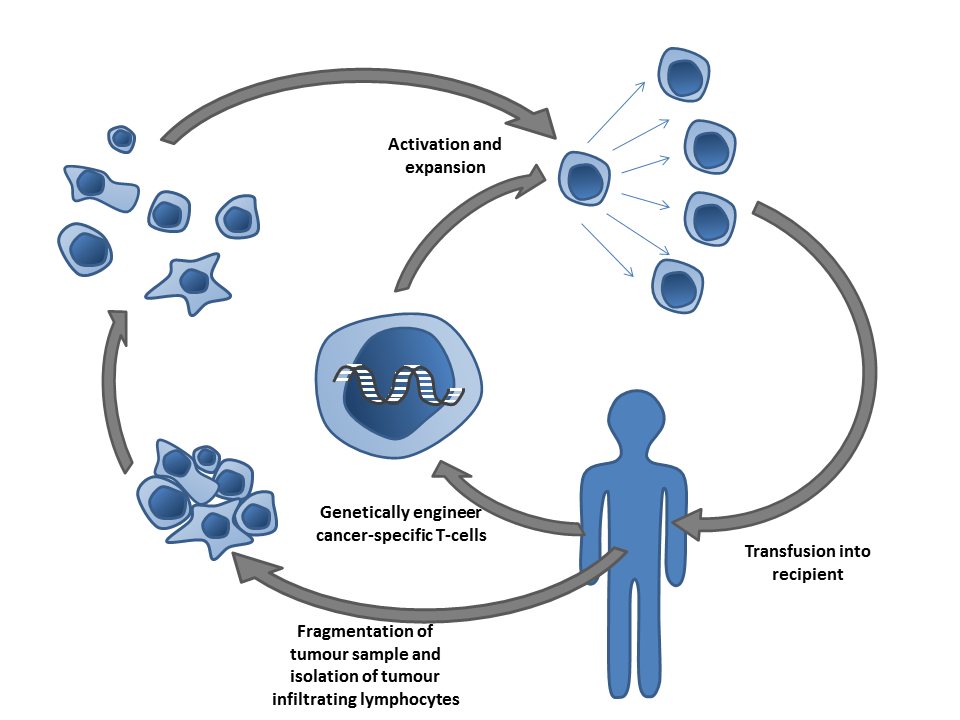
Intismeran works by analyzing the specific mutations present in a patient's tumor and then manufacturing an mRNA vaccine tailored to those mutations. Once injected, the vaccine instructs the immune system to recognize and attack cancer cells carrying those same genetic signatures. This approach differs from conventional vaccines, which are designed for broad populations rather than individual patients.
The phase III trial is the first to demonstrate that an individualized cancer vaccine can meet its primary endpoints. Earlier-stage trials had suggested promise, but late-stage confirmation has been lacking until now. The positive results are expected to accelerate research into similar personalized vaccines for other cancer types, including pancreatic cancer, where a separate phase 2 trial of an off-the-shelf vaccine recently reported mixed results.
Researchers say the trial represents a foundational shift in cancer treatment, allowing scientists to harness the immune system in a more personalized way. The strategy could eventually be adapted to other solid tumors if the same principles hold. However, the vaccine is not yet approved for routine use, and further follow-up will be needed to determine how long the protection lasts and whether it improves overall survival beyond the two-year window.
The results come amid growing interest in mRNA technology, which gained global attention during the COVID-19 pandemic. Cancer vaccines, however, present a more complex challenge because tumors carry many mutations, and each patient's vaccine must be manufactured individually. The success of intismeran in a phase III trial suggests that the logistical and scientific hurdles can be overcome.
For patients with high-risk melanoma, the findings offer a potential new option after surgery or standard treatment. Melanoma is one of the most aggressive forms of skin cancer, and recurrence remains a major concern even when early-stage disease is treated. A vaccine that lowers the risk of recurrence or death could meaningfully change outcomes for those at high risk.
The trial results were published in October 2026 and presented as a major advance in cancer immunotherapy. Further details on the magnitude of the benefit, the number of patients enrolled, and the duration of follow-up are expected to be discussed at upcoming scientific meetings and in peer-reviewed publications.
13