Sixteen teenagers have taken part in a hackathon aimed at devising ways to combat climate-related issues, including light pollution. The event brought young people together to develop practical ideas addressing environmental problems, placing youth-led problem-solving at the center of efforts to respond to ecological challenges.
Light pollution was among the specific issues the participants tackled. The problem, caused by excessive or poorly directed artificial light, disrupts wildlife behavior, wastes energy, and obscures the night sky. By focusing on it, the hackathon connected a local, tangible environmental concern to the broader climate and ecology agenda.
The hackathon format — in which teams collaborate intensively to generate and refine solutions — has become an increasingly common way to involve younger people in science and policy discussions. For the sixteen participants, the exercise offered a chance to move from awareness of climate change to active problem-solving, developing proposals that could be applied in their communities.
Young people have become prominent voices in the climate debate, from school strikes to local conservation projects. Events like this hackathon channel that engagement into structured, solution-oriented work, giving teenagers a platform to contribute ideas rather than simply inherit the consequences of environmental decisions made by earlier generations.
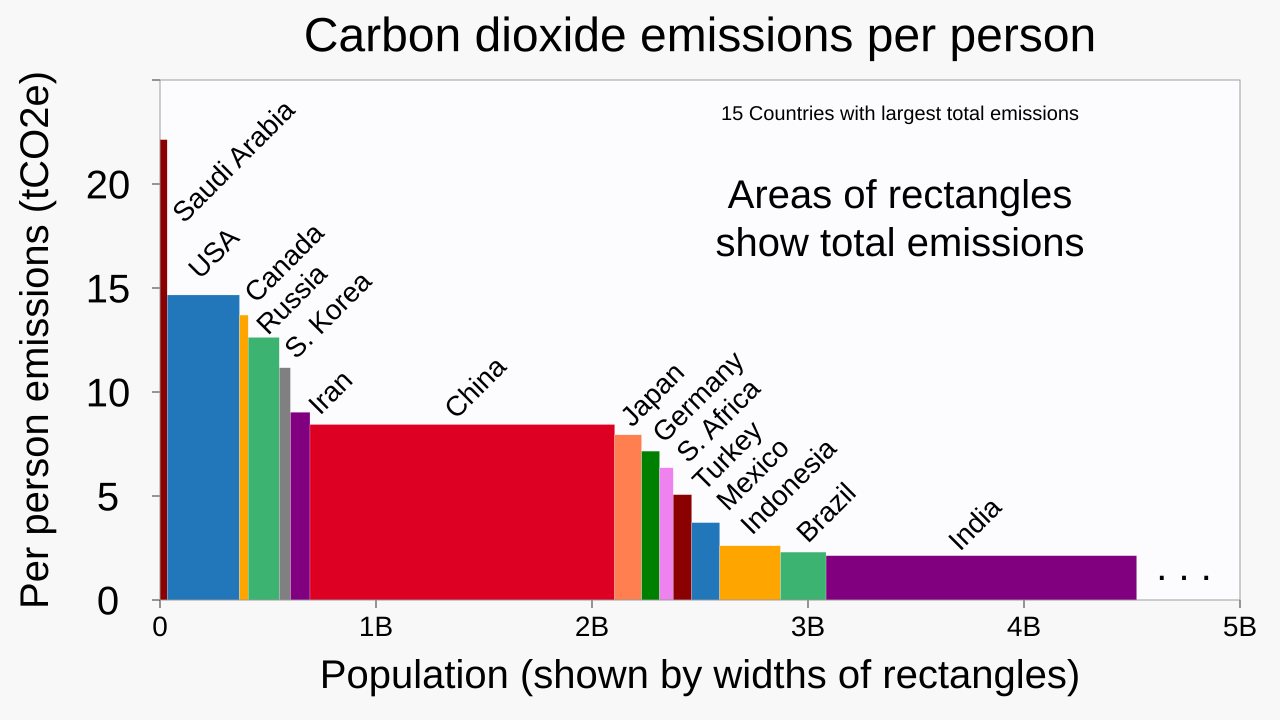
The focus on light pollution also reflects a widening understanding of what counts as an environmental issue. While greenhouse gas emissions dominate climate policy, researchers increasingly point to pollution in its many forms — including artificial light — as a factor affecting ecosystems, animal migration, reproduction, and human health.
For the participants, the hackathon was an opportunity to apply creativity and scientific thinking to a problem with clear local relevance. The ideas produced may range from redesigned lighting systems to awareness campaigns, though the event's primary value lies in demonstrating that young people can contribute concrete proposals to environmental debates.
The hackathon comes amid heightened public attention to climate governance and the gap between scientific warnings and political action. As communities grapple with how to reduce emissions and protect ecosystems, initiatives that empower younger generations to propose solutions serve as both educational experiences and sources of fresh thinking.
Whether the ideas developed at the hackathon will be implemented remains to be seen, but the event underscores a growing trend: climate and ecology education is increasingly hands-on, with students asked not just to learn about environmental problems but to design responses to them. For the sixteen teenagers involved, the exercise offered a first-hand lesson in how science, creativity, and civic engagement can intersect.
11