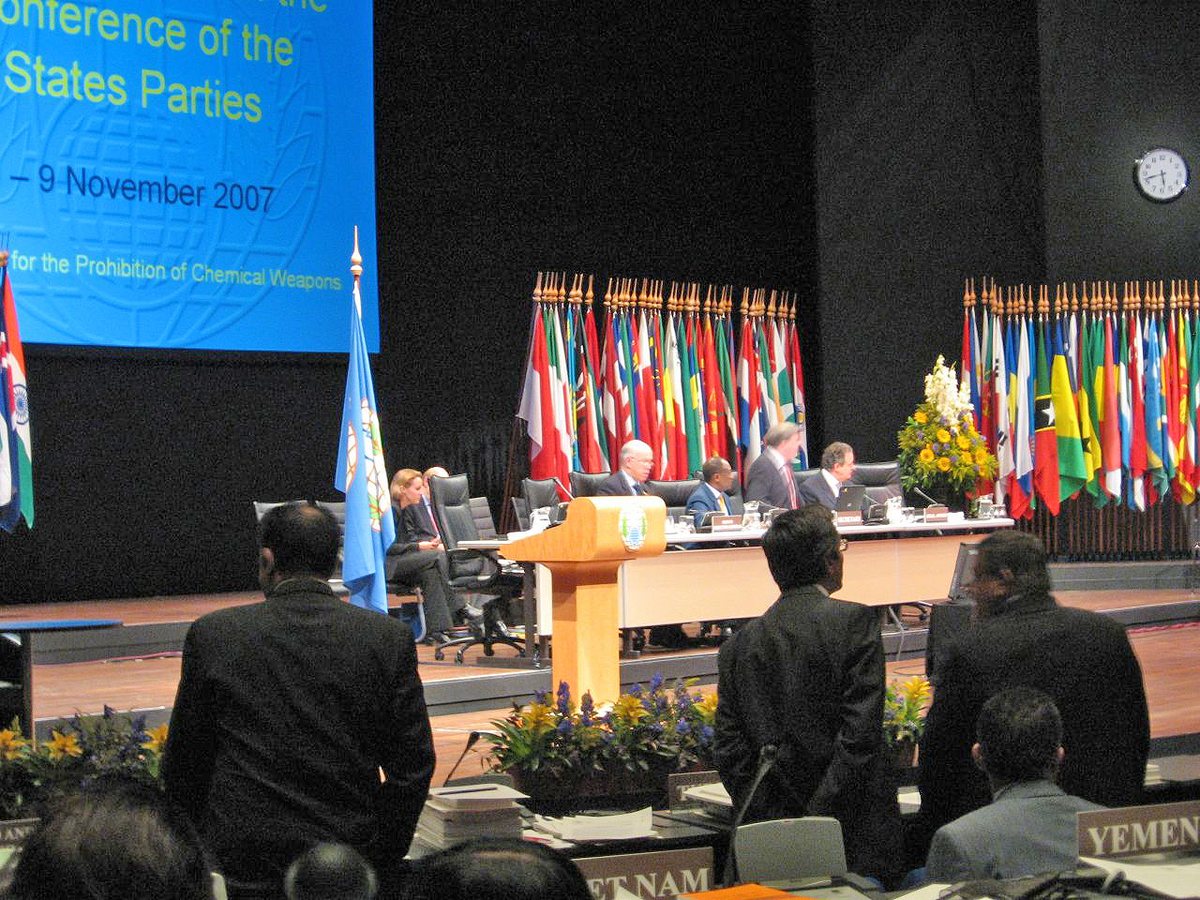
Wealthy polluting nations have pledged just $50 million to a fund that helps poorer countries adapt to climate breakdown, a sum that campaigners say is far too little. The offer was made this week at the COP31 climate summit in Antalya, Turkey, and it comes in well under half of the promises made at last year's gathering. Activists have described the contribution as "crumbs" for countries already facing floods, droughts and rising seas.
The shortfall landed at a summit that was already shaped by the absence of the United States from official negotiations. The Trump administration has withdrawn from the process, but California Governor Gavin Newsom led an unofficial American delegation to Antalya. Newsom used his time there to call for a phase-out of fossil fuels, a message that gave some negotiators hope that the US could still play a constructive role in future talks.
That hope carries real weight. The United States is the world's second-biggest emitter of greenhouse gases, and California alone would rank as the fourth-largest economy in the world. Newsom is widely seen as a likely contender for the presidency in 2028, which means that America's future role in climate diplomacy will depend heavily on who wins the next national election.
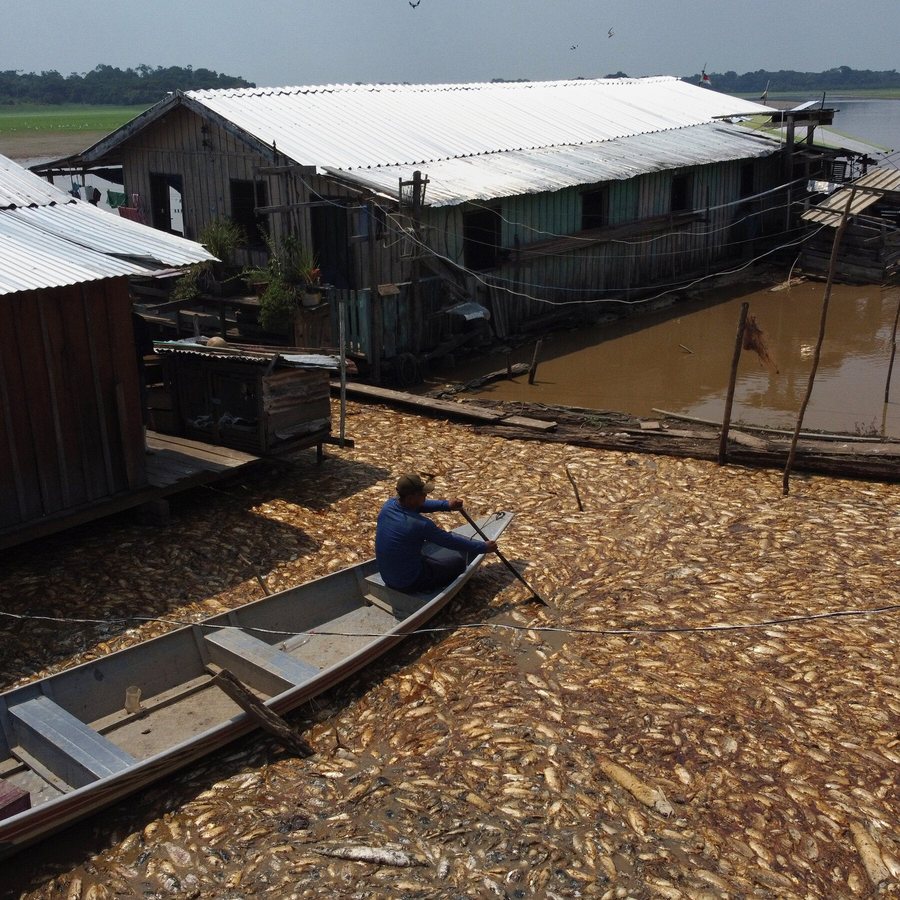
The funding debate also unfolded against a separate environmental warning from Brazil. Thousands of dead fish were found in Lake Managuiri, a tributary of the Amazon River. Observers at the summit pointed to the incident as a reminder of the urgency behind the talks, since changes in water systems can ripple through entire ecosystems and the communities that depend on them.
Credit. Based on reporting by Ajit Niranjan, Damien Gayle, Joe Pinner and Graham Readfearn for The Guardian. Is this your work? Write to us.
14