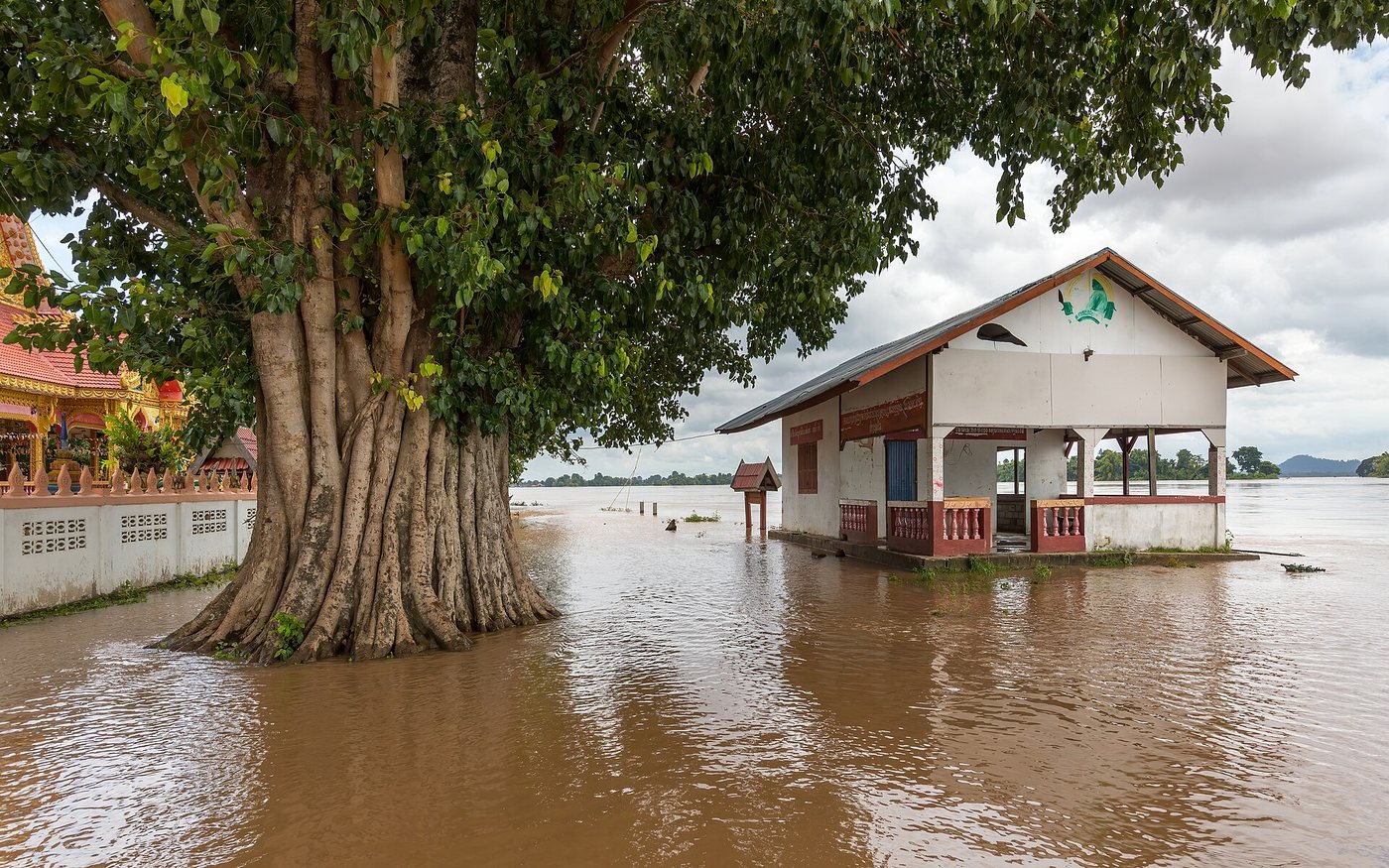
Nepal is being asked to repay foreign lenders at the same moment it is trying to recover from a catastrophe it did little to cause. After a glacier collapsed in the Himalayas in August, the resulting floods killed or left missing thousands of people and swept away villages, bridges and roads. The country also lost roughly a tenth of its electricity generation, and reconstruction is estimated at about $5 billion.
The financial response has been far smaller than the damage. The Loss and Damage Fund, created at the 2022 UN climate summit to help countries hit by climate-driven harm, has allocated only $20 million to Nepal. Meanwhile, the government owes external public creditors $482 million this year. Nepal's delegation at the upcoming Cop31 talks has argued that funding for such losses must rise sharply if vulnerable nations are to rebuild without falling deeper into debt.
The situation reflects a wider pattern that a September report by the charity ActionAid described in stark terms. It found that external borrowing by poor countries exceeds climate finance by more than 100 to one. Many such economies export cheap raw materials and import costly manufactured goods, largely priced in US dollars. That arrangement leaves them exposed to currency shocks and reliant on borrowing, and it can push governments toward exporting fossil fuels rather than building green industries that might reduce future risk.
The result is a cycle in which countries least responsible for emissions pay the steepest price, first through disasters and then through the debt needed to recover. Whether Cop31 will meaningfully expand the resources of the Loss and Damage Fund remains an open question, and for Nepal and similar countries the answer will determine whether reconstruction can proceed without new borrowing that deepens the problem.
Credit. Based on reporting for The Guardian. Is this your work? Write to us.
24