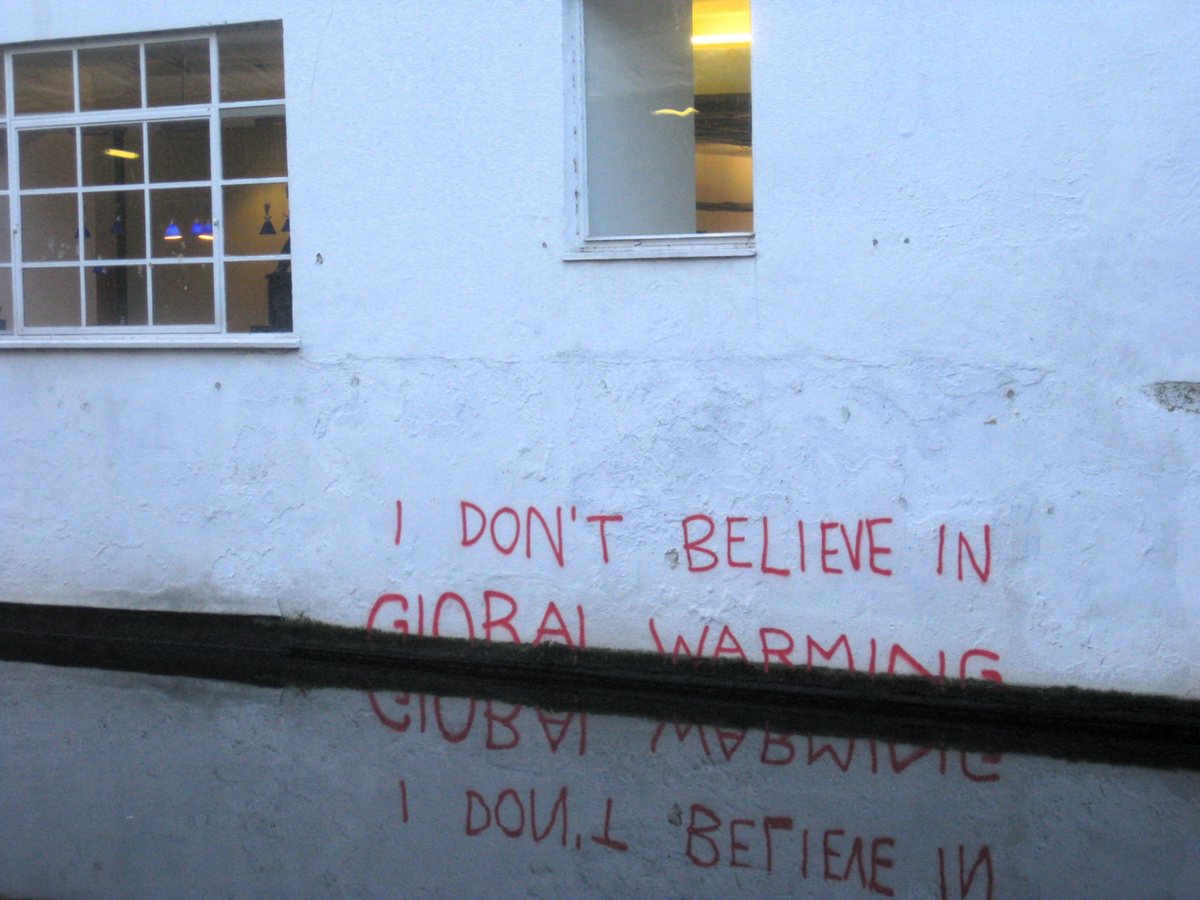
Climate change is showing up more often in American film and television, but the stories rarely show how society might solve it. That is the central finding of a new report on climate in entertainment, which was released by researchers at the USC Annenberg Norman Lear Center together with the advocacy group Good Energy.
The study examined 35,120 scripts from 2021 through 2024. It builds on an earlier report from 2022, which found that climate-related keywords appeared in just 2.8 percent of scripts. The new analysis shows that climate change and its causes are now referenced more frequently within scripted storylines. The growth suggests that writers and producers are paying closer attention to a crisis that has long been largely absent from popular fiction.
Still, the way the subject is handled remains narrow. Much of the coverage concentrates on the consequences of a warming planet, such as disasters, displacement and damaged environments. Far less attention goes to large-scale solutions, such as government policy, industrial change or collective action. When characters do respond to the crisis, the report found, the emphasis tends to fall on individual choices rather than systemic fixes. The researchers suggest that this framing may leave audiences with a sense of personal responsibility without showing the broader changes that experts consider necessary.
The release comes only weeks after the Tom Cruise film Digger, an oil-tycoon drama that drew wide attention as a high-profile climate-themed movie. The timing highlights a growing commercial and cultural interest in the subject, even as the study indicates that storytelling about climate solutions has not kept pace. For the entertainment industry, the findings point to a clear gap between awareness of the crisis on screen and the depiction of how it might be addressed.
Credit. Based on reporting by Maya Yang for The Guardian. Is this your work? Write to us.
30