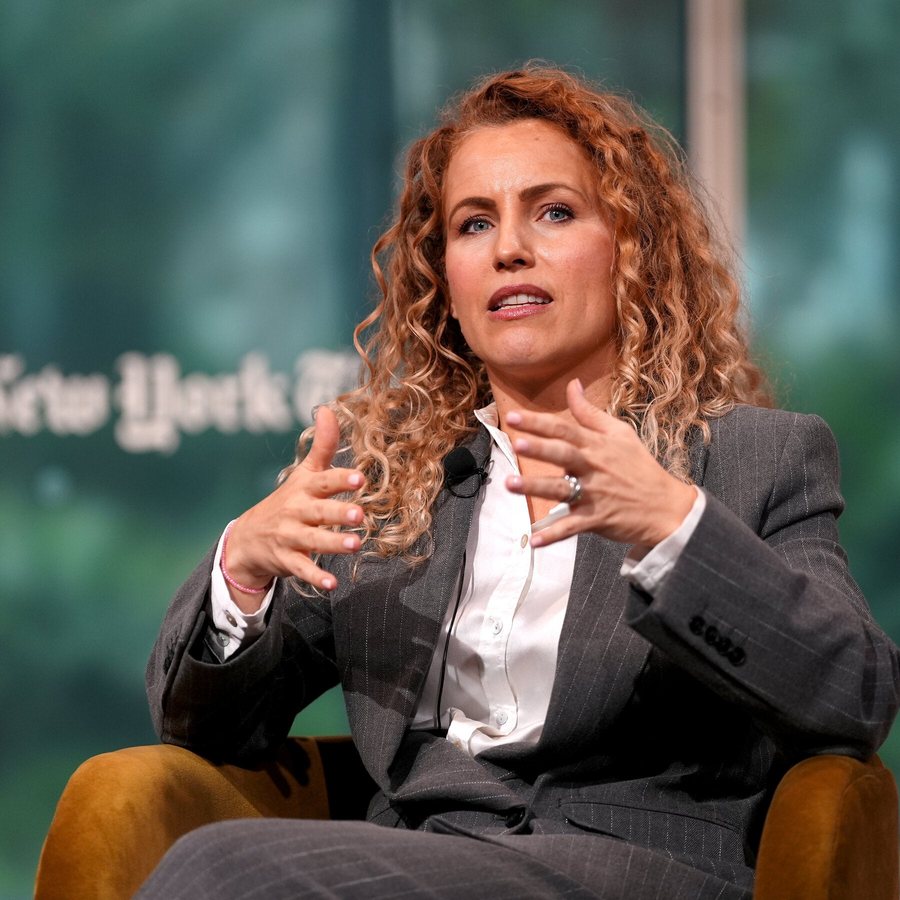
Extreme heat has moved to the center of British politics after a summer of deadly temperatures across Europe, according to Katie White, the UK's climate transition minister. Speaking at the Climate Forward conference, White said the political salience of the issue has risen sharply, a shift that could reshape how governments approach climate adaptation and public health.
«After this summer, the salience of the issue has just skyrocketed,» White said, referring to extreme heat in Britain. Her remarks point to a broader change in how policymakers are treating heat waves — not as isolated weather events but as recurring threats with measurable death tolls and economic costs.
The minister's comments came during a conference session focused on the politics of Europe's deadly heat. The discussion reflects growing pressure on governments to move beyond long-term emissions targets and invest in near-term protections such as early warning systems, cooling centers, urban greening, and building standards suited to higher temperatures.
White's assessment carries weight because the UK has traditionally been less prepared for extreme heat than southern European countries. British homes, hospitals, and transport networks were designed for a cooler climate, leaving them vulnerable when temperatures climb. The summer's death toll across Europe has made that vulnerability harder to ignore.
The political dimension is significant. Heat waves disproportionately affect older adults, outdoor workers, and low-income households, raising questions about public health spending and social equity. When deaths become visible and widespread, voters tend to demand action, which can push climate adaptation higher on the legislative agenda.
For Britain, the challenge is twofold. The country must continue reducing greenhouse gas emissions while simultaneously adapting to the warming that is already locked in. White's framing suggests the government sees these as linked priorities rather than competing ones, with public safety as a unifying concern.
The conference remarks also highlight a shift in language. Rather than discussing climate change in abstract, future-oriented terms, officials are increasingly talking about heat as a present-day emergency. That framing may make it easier to build coalitions across party lines, since the consequences are local and immediate.
Scientists have long warned that climate change is making heat waves more frequent, longer, and more intense. Europe has warmed faster than the global average, and researchers attribute a substantial share of recent heat-related mortality to human-caused warming. The summer's events have given those warnings a human face.
White did not announce specific new policies during the session, but her comments signal that extreme heat is now a political priority in the UK. How quickly that priority translates into funding, regulation, and infrastructure will determine whether the response matches the scale of the threat.
The broader message from the conference is that climate adaptation is no longer a niche technical subject. It is becoming a central question of governance, public health, and electoral accountability — one that ministers like White will be judged on as summers grow hotter.
5