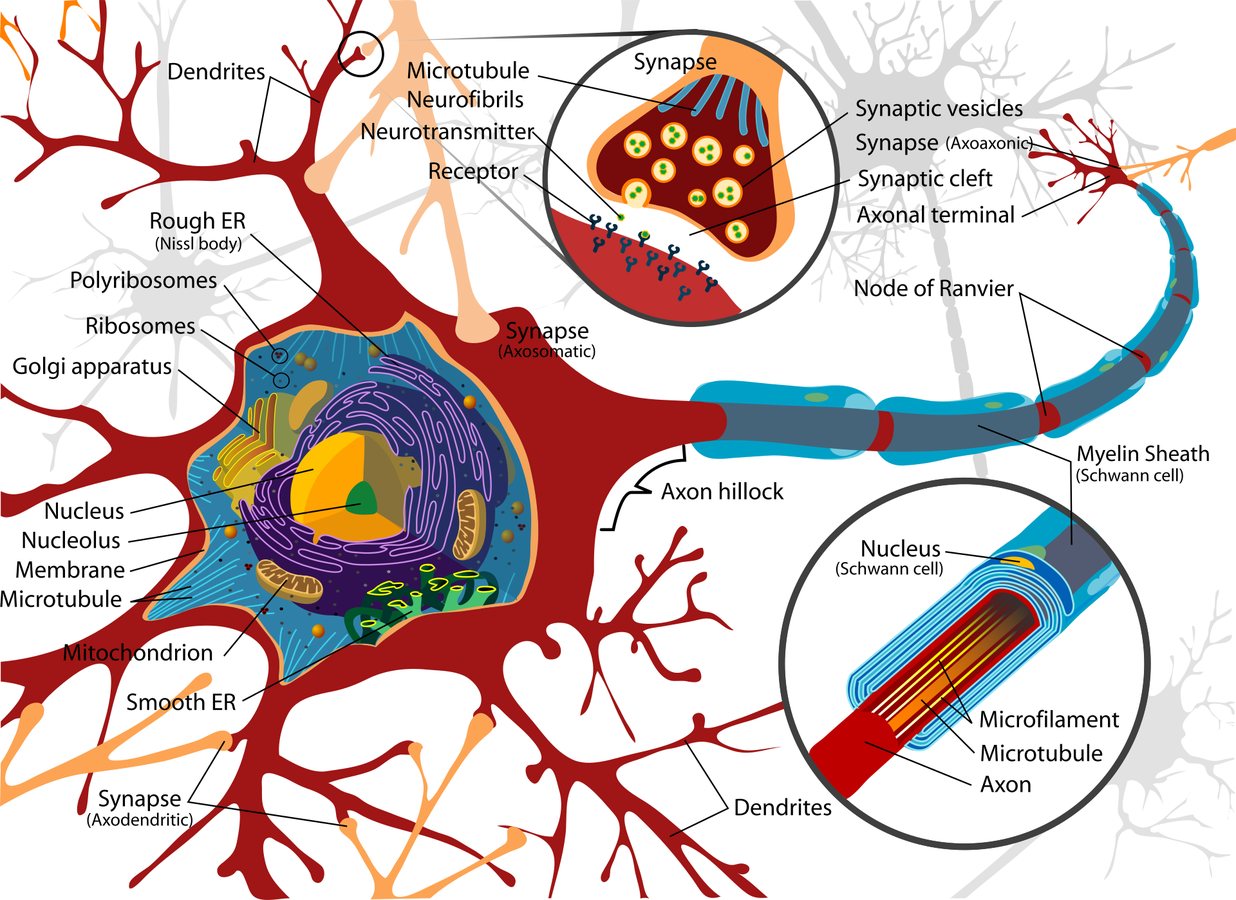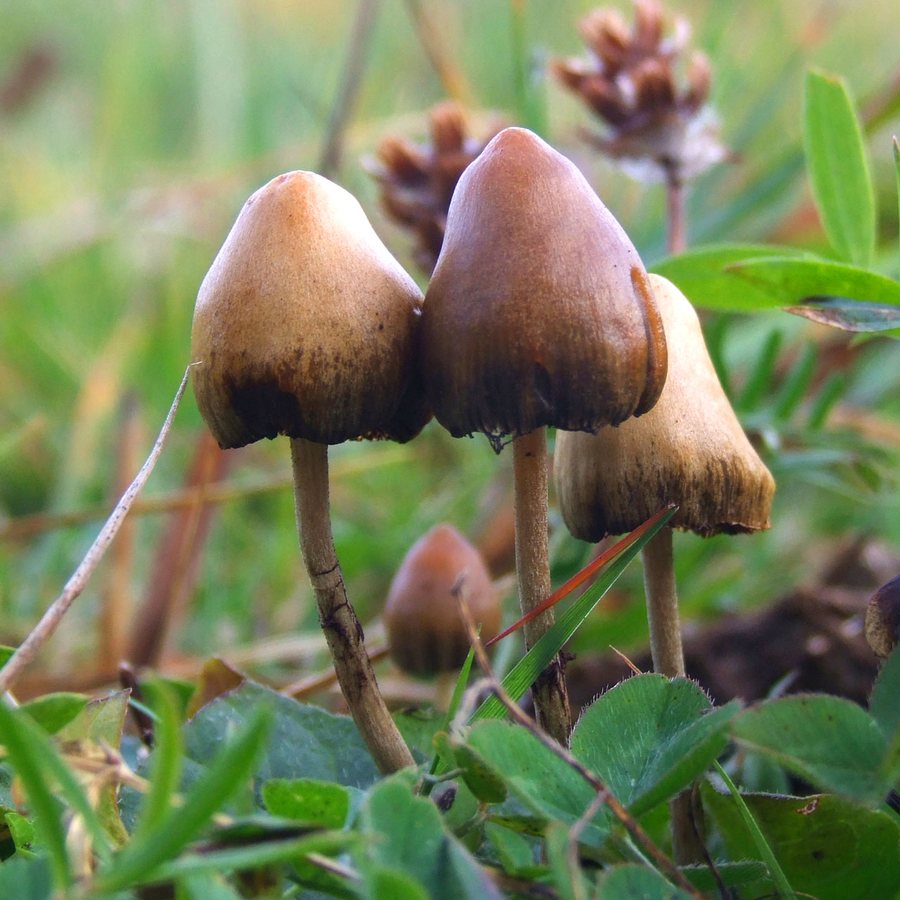
Psilocybin, the active compound in magic mushrooms, appears to reshape the brain within a short time by forming and strengthening connections between neurons, according to a new study in mice. The findings suggest the effect may go beyond what researchers had expected, and they point to a possible route for repairing brain circuits damaged by chronic stress.
The study reported differences between healthy mice and those under chronic stress. In the stressed animals, the researchers said, the compound may help restore circuitry that stress had weakened. The team also said it had identified a way to trigger this rewiring without the behavior typically linked to psychedelic drugs, an aspect that could matter for future therapies.
The results were described in a ScienceDaily release published in November 2026. The account is based on a press summary, and the full paper has not been reviewed for this report. It is not yet clear whether the same effects would occur in humans, and the release does not explain how the behavior-free approach would work in practice.
For now, the work adds to a growing body of research into psychedelic compounds and brain plasticity. Scientists will need to confirm the findings and test whether the rewiring translates to people before any clinical conclusions can be drawn.
Credit. Based on reporting for ScienceDaily. Is this your work? Write to us.
17