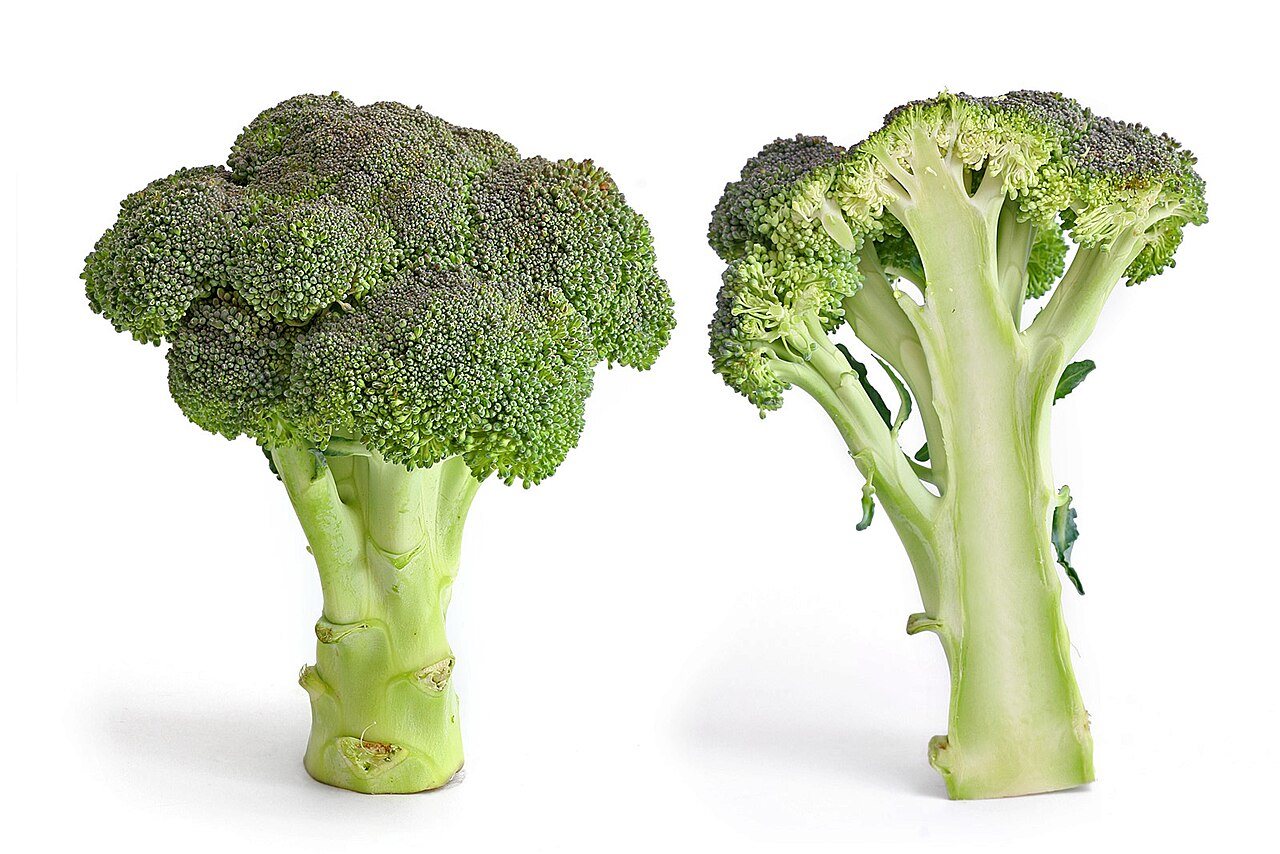
A naturally occurring compound found in broccoli may one day help treat Friedreich ataxia, a rare inherited disease that steadily damages the nervous system. Researchers say the substance appears to strengthen a protein the body needs to keep nerve cells healthy, and they hope it could eventually be developed into a treatment that is affordable for patients.
Friedreich ataxia is a genetic condition that gradually impairs movement and coordination as nerve tissue deteriorates over time. There is currently no cure, and existing options focus mainly on managing symptoms. That gap is what makes the new line of research notable, since it points to a way of addressing the underlying cellular problem rather than only its effects.
According to the reporting, the compound works by increasing the level of a vital protein within cells, which in turn helps protect nerve cells from further damage. Because the substance occurs naturally in a common vegetable, scientists see potential in developing it into a low-cost therapy, a factor that could matter greatly for a disease that affects relatively few people and is often expensive to manage.
The findings are still at an early stage. Human clinical trials have not yet been carried out, so there is no evidence so far that the compound is effective in people with Friedreich ataxia. Further laboratory and clinical work will be needed before anyone can judge whether the approach can translate into a real benefit for patients.
Credit. Based on reporting for ScienceDaily. Is this your work? Write to us.
13