Warming seas around the UK could destabilise marine food webs and weaken ocean health and food security by 2050, according to a four-year study of marine life in the north-east Atlantic. The research projects how climate breakdown is likely to affect four key groups of marine organisms, and its authors say the changes could fundamentally reshape the ecosystems that support the region's fisheries and coastal waters.
The findings challenge a widely held assumption that biodiversity in mid-latitude waters will rise across the board as temperatures climb. Instead, the study suggests the effects will not be uniform: warming may disrupt the relationships between species that feed one another, with consequences that ripple through the wider food web rather than simply adding or removing individual species.
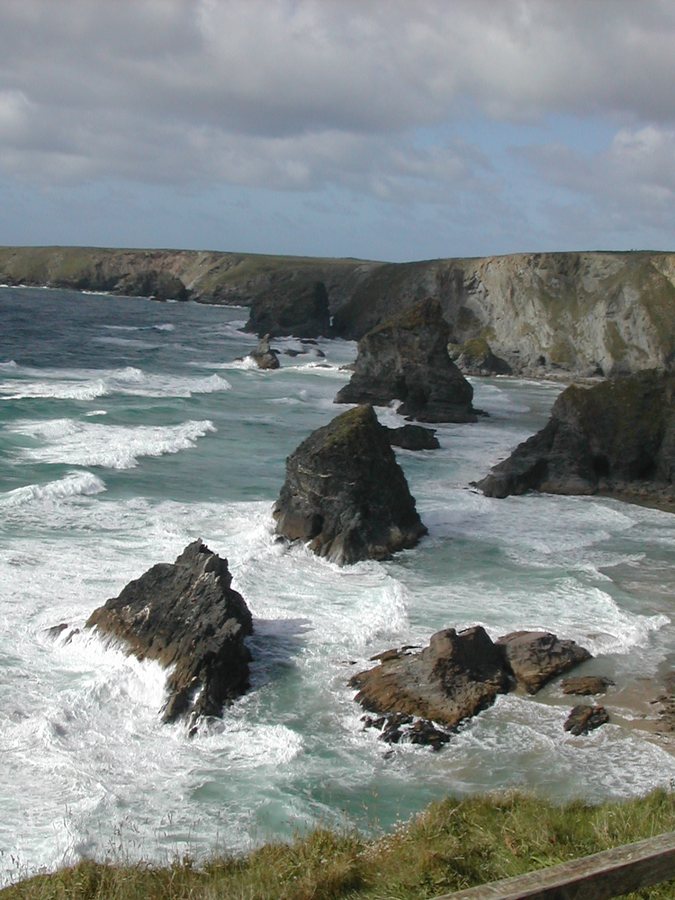
The scientists behind the work examined the potential impacts on marine life in the north-east Atlantic, a region that includes UK waters and extends into the wider area around them. Their projections point to possible weakening of ocean health and food security within the next quarter century, a timescale that places the risks within the planning horizon of fisheries managers and policymakers.
Significant uncertainties remain. The degree to which effects will vary from one part of the region to another is still unclear, as is the precise timing of the changes. The available material does not set out detailed figures for each of the four marine groups, so the scale of the impact on individual populations cannot yet be gauged from the findings alone.
The study adds to growing evidence that rising ocean temperatures are altering marine ecosystems in ways that are difficult to predict species by species. For coastal communities and industries that depend on healthy seas, the work underlines how closely ocean warming is tied to long-term questions of food supply and the stability of the natural systems on which it rests.
Credit. Based on reporting by Karen McVeigh for The Guardian. Is this your work? Write to us.
14