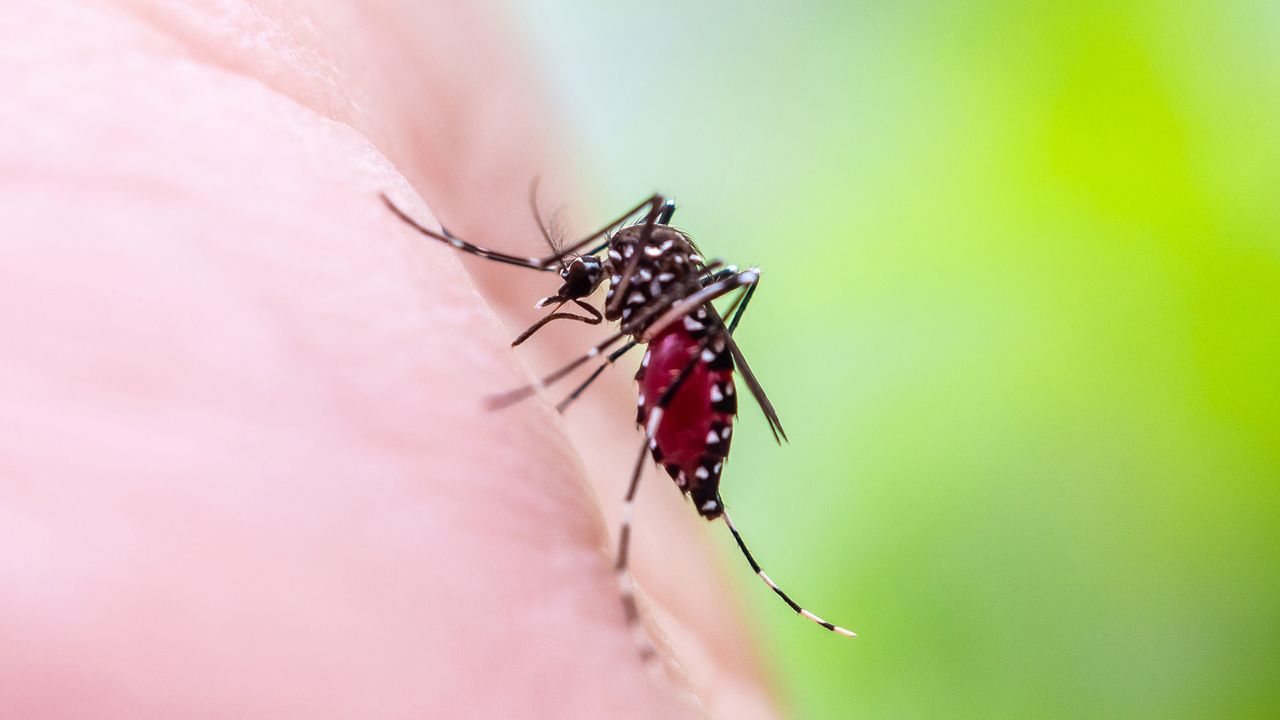
Climate change is creating conditions that could allow yellow fever to reemerge in the Americas, including the southern United States, according to infectious disease specialists. The mosquito-borne virus, which was largely controlled in the region decades ago through vaccination and vector control, is now finding new opportunities as warming temperatures expand the range of the insect species that carry it.
Experts say the threat is not hypothetical. The primary mosquito vectors for yellow fever, particularly Aedes aegypti and Haemagogus species, are already present in parts of the southern US and Latin America. As global temperatures rise, these mosquitoes are expected to survive in areas that were previously too cold for them, bringing the virus closer to human populations that have little or no immunity.
«It's in the realm of possibility,» said one researcher familiar with the virus's transmission dynamics, referring to the chance that yellow fever could establish a foothold in the US. The comment reflects a growing concern among public health officials that climate-driven changes in vector ecology are outpacing current surveillance and prevention efforts.
Yellow fever is a viral hemorrhagic disease that can cause fever, jaundice, and in severe cases, organ failure and death. It is endemic in parts of Africa and South America, where outbreaks periodically occur. The disease is preventable by a highly effective vaccine, but vaccination coverage is uneven, and many regions that could become suitable for transmission have low immunity levels.
The reemergence risk is tied to broader ecological shifts. Warmer winters and longer transmission seasons allow mosquito populations to grow and expand their geographic footprint. Urban environments, where Aedes aegypti thrives in standing water and close contact with humans, are particularly vulnerable. A single infected traveler returning from an endemic area could, in theory, ignite local transmission if the vector is present.
Public health experts point to recent outbreaks in Brazil as a warning. Between 2016 and 2018, Brazil experienced its largest yellow fever outbreak in decades, with hundreds of confirmed cases and deaths. The virus spread into areas that had not seen transmission for years, driven in part by environmental changes and the movement of infected primates and mosquitoes. That outbreak demonstrated how quickly the disease can expand beyond its traditional boundaries.
The US has not seen a yellow fever outbreak since the early 20th century, when outbreaks in New Orleans and other southern cities killed thousands. The development of a vaccine in the 1930s and aggressive mosquito control programs largely eliminated the threat. However, those historical successes were achieved under different climatic conditions, and experts caution that the current trajectory of warming could reverse some of those gains.
Surveillance systems in the US monitor for mosquito-borne diseases such as West Nile virus and dengue, but yellow fever is not currently a primary focus. Researchers argue that enhanced surveillance, improved diagnostic capacity, and contingency planning are needed to prepare for the possibility of local transmission. Vaccination of travelers to endemic areas remains a critical preventive measure, as is maintaining public health infrastructure capable of responding quickly to an emerging outbreak.
The broader lesson, according to the experts, is that climate change is not just a future threat but a present-day driver of infectious disease dynamics. As temperatures continue to rise, the geographic boundaries of many vector-borne diseases are shifting, and public health systems must adapt accordingly. The reemergence of yellow fever in the Americas would be a significant setback, but with proactive measures, it is a preventable one.
178