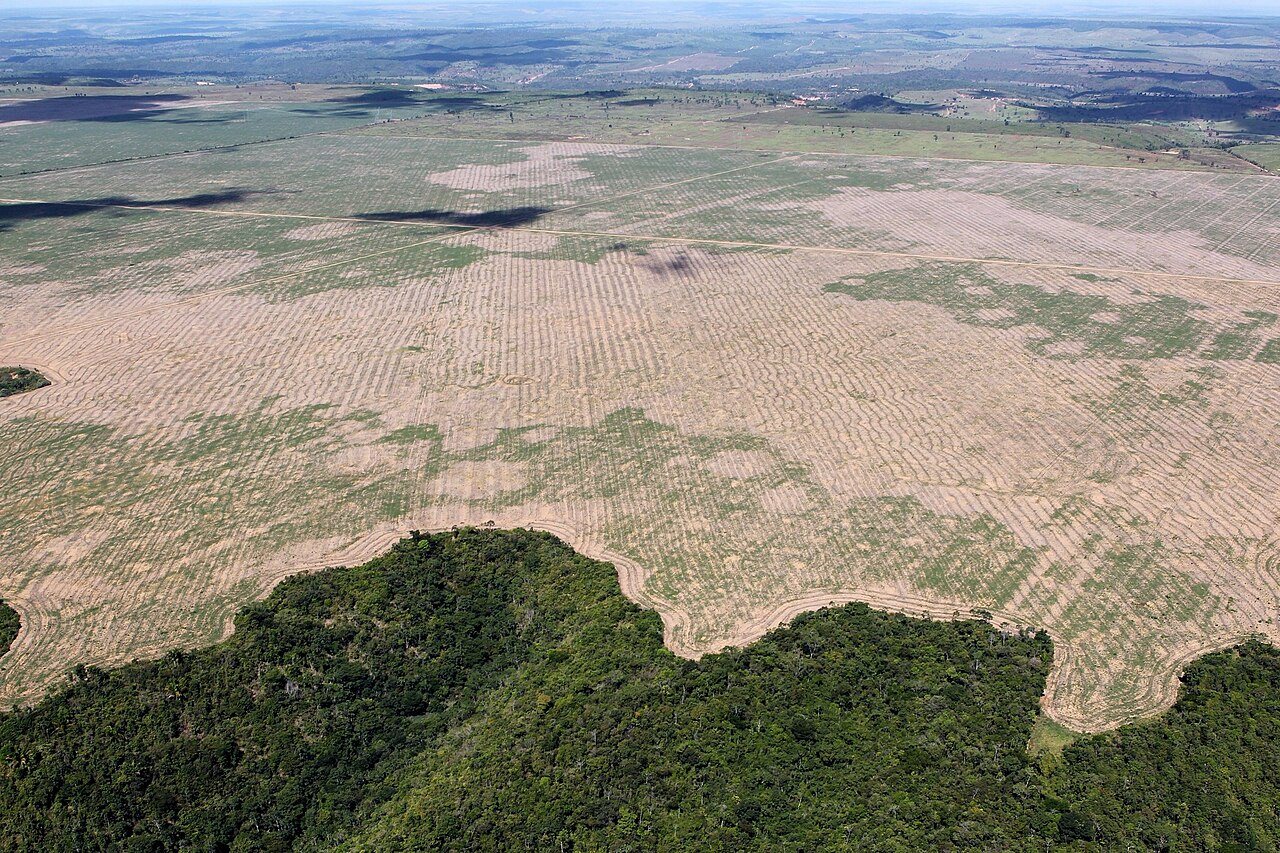
Deforestation in the Brazilian Amazon has dropped to its lowest level since records began in 1988, according to new government data, marking a significant environmental achievement for President Luiz Inácio Lula da Silva just days before a pivotal presidential runoff election.
The figures, released as Brazil heads toward the October 25 vote, show forest clearance at its smallest annual total in nearly four decades. The decline represents a sharp reversal from the expansion of deforestation that occurred under former president Jair Bolsonaro, whose administration was widely criticized for weakening environmental protections and encouraging agricultural expansion into the rainforest.
The Amazon rainforest is a crucial buffer against climate change, absorbing vast quantities of carbon dioxide and regulating regional weather patterns. Its preservation is considered essential to global efforts to limit warming, making Brazil's deforestation trends a matter of international consequence.
Whether the progress will be sustained or reversed depends on the outcome of the runoff, which pits two candidates with sharply different visions for the future of the rainforest and for Brazil's relations with the United States under President Donald Trump. The election has drawn attention from environmentalists, scientists, and policymakers worldwide who view the Amazon's fate as inseparable from broader climate goals.
Lula has positioned himself as a defender of the rainforest and of multilateral climate cooperation, while his opponent has signaled a different approach that could prioritize economic development in the Amazon region over conservation. The contrast echoes the previous administration, when deforestation rates climbed and international partners expressed alarm over Brazil's environmental policies.
The record-low deforestation figures provide Lula with a tangible accomplishment to present to voters, but they also raise the stakes of the election for those who see the Amazon as a global commons. Environmental advocates warn that a change in leadership could quickly undo years of progress, as enforcement agencies and monitoring systems depend on political support.
The data come amid heightened global attention to climate policy, with voters in several countries—including the United States—increasingly concerned about extreme weather and its costs. A record hot summer and soaring energy expenses have pushed climate issues into public debate, even as some political campaigns have remained quiet on the subject.
For Brazil, the deforestation numbers are both a domestic political talking point and a signal to the international community. The country's ability to protect the Amazon affects its standing in trade negotiations, climate finance discussions, and global scientific collaborations. Scientists have long warned that the rainforest is approaching tipping points beyond which it could shift from a carbon sink to a carbon source, with cascading effects for biodiversity and regional rainfall.
The government's monitoring systems, which track forest clearance using satellite imagery, have been central to documenting the decline. Maintaining those systems and the enforcement operations that back them will require sustained funding and political will, regardless of who wins the runoff.
As Brazilians prepare to vote, the record deforestation figures serve as a reminder that environmental policy is not abstract—it is measured in hectares of forest, in carbon emissions avoided, and in the livelihoods of communities that depend on the Amazon. The election will determine whether that trend continues or becomes a brief anomaly in a longer story of forest loss.
6