The Kigali Amendment, a global climate treaty targeting hydrofluorocarbons (HFCs), has achieved a sharp reduction in the use of the planet-warming refrigerants, even as other international environmental agreements have struggled to deliver results. The accord, which entered into force in 2019, has been described as working «perfectly» in its mission to phase down HFCs, a class of chemicals widely used in refrigeration and air conditioning.
HFCs are potent greenhouse gases, thousands of times more effective at trapping heat than carbon dioxide. Their production and use surged in the 1990s and 2000s as replacements for ozone-depleting chlorofluorocarbons (CFCs), which were banned under the Montreal Protocol. But the climate impact of HFCs soon became a concern, prompting negotiators to add the Kigali Amendment to the Montreal Protocol in 2016. The amendment sets a timetable for countries to gradually reduce HFC production and consumption, with developed nations moving first and developing countries following with financial and technical support.
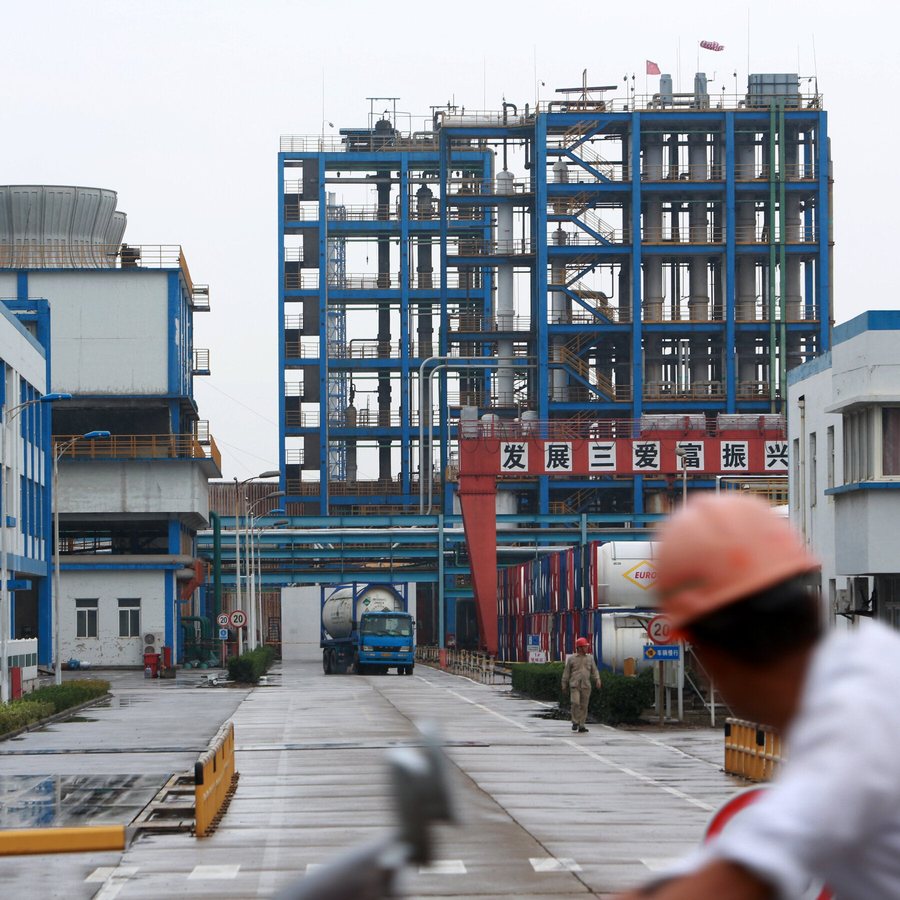
Data from 2012, when a plant in China was producing HFCs, shows how far the world has come. Since the amendment's adoption, global HFC use has fallen sharply. The decline is attributed to a combination of regulatory pressure, industry innovation, and the availability of safer alternatives such as hydrofluoroolefins (HFOs) and natural refrigerants like ammonia and carbon dioxide. The Kigali Amendment's success stands in contrast to other climate deals, such as the Paris Agreement, which have faced challenges in meeting emissions targets.
The treaty's effectiveness is notable because it combines binding obligations with flexible implementation. Countries are required to report their HFC production and consumption, and a compliance mechanism helps address shortfalls. The Multilateral Fund, established under the Montreal Protocol, provides financial assistance to developing countries to help them transition to alternative technologies. This support has been crucial for smaller nations that lack the resources to phase out HFCs on their own.
Industry has also played a role. Chemical companies have invested in research and development of alternatives, and appliance manufacturers have redesigned equipment to use them. In some cases, the transition has been accelerated by national regulations that go beyond the Kigali timetable. The European Union, for example, has implemented its own HFC phase-down schedule, which has driven down use across member states.
Despite the progress, challenges remain. HFC use is still growing in some developing countries as demand for air conditioning rises with rising temperatures and incomes. The Kigali Amendment allows for a grace period for these nations, but the long-term goal is a global phase-down. Enforcement and monitoring are also ongoing concerns, as illegal trade in HFCs can undermine the treaty's effectiveness.
Scientists warn that while reducing HFCs is important, it is only one part of the broader effort to limit global warming. HFCs account for a small fraction of total greenhouse gas emissions, but their high potency makes them a significant target for quick climate wins. The Kigali Amendment is expected to avoid up to 0.5 degrees Celsius of warming by the end of the century, according to estimates.
The treaty's success offers lessons for other climate negotiations. Clear targets, financial support, and industry engagement have all contributed to its effectiveness. As the world continues to grapple with climate change, the Kigali Amendment stands as a rare example of a global environmental agreement that is delivering on its promises.
15