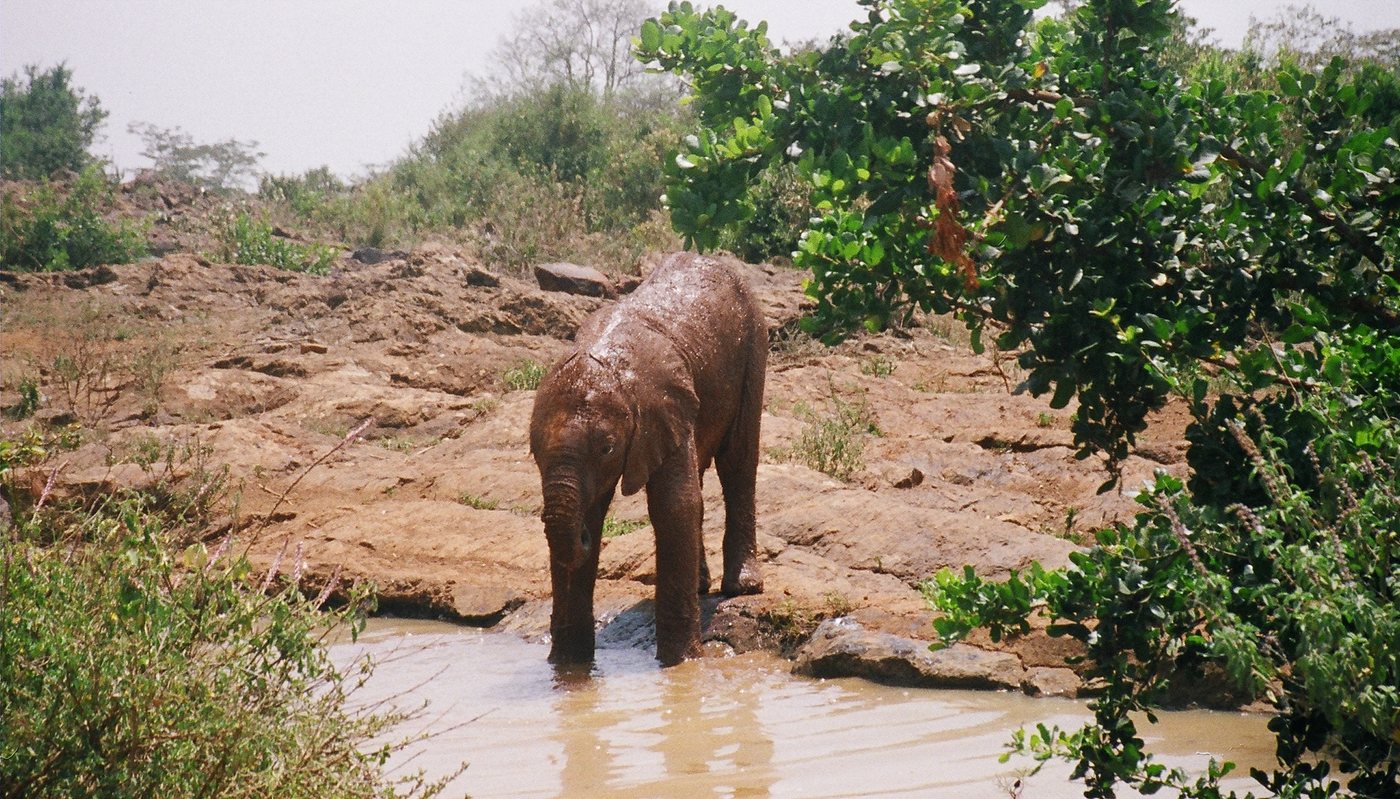
A young orphaned elephant named Kipikee is set to become a television star in a new collaboration between PBS Nature and Sesame Street. The special, titled «Sesame Street and the Great Elephant Adventure», is scheduled to premiere on October 14, 2026, bringing together the long-running children's program and the acclaimed wildlife documentary series.
The announcement highlights a growing trend in educational media where entertainment and science communication intersect. By featuring Kipikee, an orphaned baby elephant, the program aims to introduce young audiences to wildlife conservation and the natural world through a character they can connect with emotionally. The collaboration leverages Sesame Street's proven ability to engage children with PBS Nature's reputation for rigorous, high-quality wildlife filmmaking.
Kipikee's story as an orphaned elephant reflects the real challenges facing elephant populations in the wild. Elephants are highly social animals, and calves depend on their herds for protection, guidance, and survival. An orphaned calf typically requires intensive care and rehabilitation, often by human caretakers or specialized elephant orphanages. The special is expected to present these realities in an age-appropriate manner, blending footage of the young elephant with the familiar characters and educational segments that Sesame Street is known for.
The partnership between PBS Nature and Sesame Street is not unprecedented but remains notable. Sesame Workshop has a history of addressing complex topics—such as grief, trauma, and environmental issues—through its characters and storylines. PBS Nature, meanwhile, has long been a staple of public broadcasting, offering in-depth looks at ecosystems, animal behavior, and conservation efforts. Combining their strengths could produce a program that reaches children and families who might not otherwise seek out nature documentaries.
While the primary focus is on entertainment and education for young viewers, the special also carries implications for conservation awareness. Elephants face ongoing threats from habitat loss, human-wildlife conflict, and poaching. By introducing Kipikee to a generation of children, the program may foster early interest in protecting endangered species. The use of an orphaned calf as a central figure underscores the vulnerability of young animals and the importance of conservation interventions.
The premiere date of October 14, 2026, places the special in the fall television season, a period when families often seek new educational content. PBS Nature has indicated that the special will be part of its broader programming, though specific broadcast details and streaming availability have not been fully outlined. The collaboration also includes promotional elements, with PBS Nature encouraging viewers to engage with its social media channels and online resources for full episodes.
For science communicators, the project represents a case study in how to translate ecological concepts for very young audiences. The challenge lies in balancing accurate information about elephant biology and conservation with the playful, accessible tone of Sesame Street. If successful, the model could inspire similar partnerships across other scientific fields, from marine biology to space exploration.
Kipikee's journey from orphaned calf to television character also raises questions about the ethics of featuring wild animals in media. Conservation organizations generally support such exposure when it serves an educational purpose and does not exploit the animal. PBS Nature's track record suggests a commitment to responsible storytelling, and the special is likely to include context about the real-world circumstances that led to Kipikee's orphan status.
As the premiere approaches, audiences can expect a blend of heartwarming moments and factual content. The special will air on PBS stations and likely be available on streaming platforms, continuing PBS Nature's tradition of making science accessible to the public. For now, Kipikee stands as a symbol of both the fragility of wildlife and the potential of educational media to inspire the next generation of conservationists.
4