Researchers have developed a robotic material capable of synchronizing its internal rhythms without relying on a central clock or external controller. The advance, reported in the field of soft robotics, points toward a new class of machines that can coordinate their movements autonomously, much like biological tissues.
Conventional robots depend on centralized processors and precise timing signals to coordinate their actions. Every joint and actuator receives commands from a master clock, ensuring that movements occur in the correct sequence. This architecture works well for rigid robots but becomes a bottleneck for soft robots, which are made from flexible materials and often need to deform and adapt in unpredictable environments.
The new material overcomes this limitation by embedding synchronization directly into its physical structure. Instead of waiting for a timing signal from a central unit, the material's components interact locally, adjusting their behavior based on the state of their neighbors. This decentralized approach allows the material to generate coordinated, rhythmic movements without any global clock.
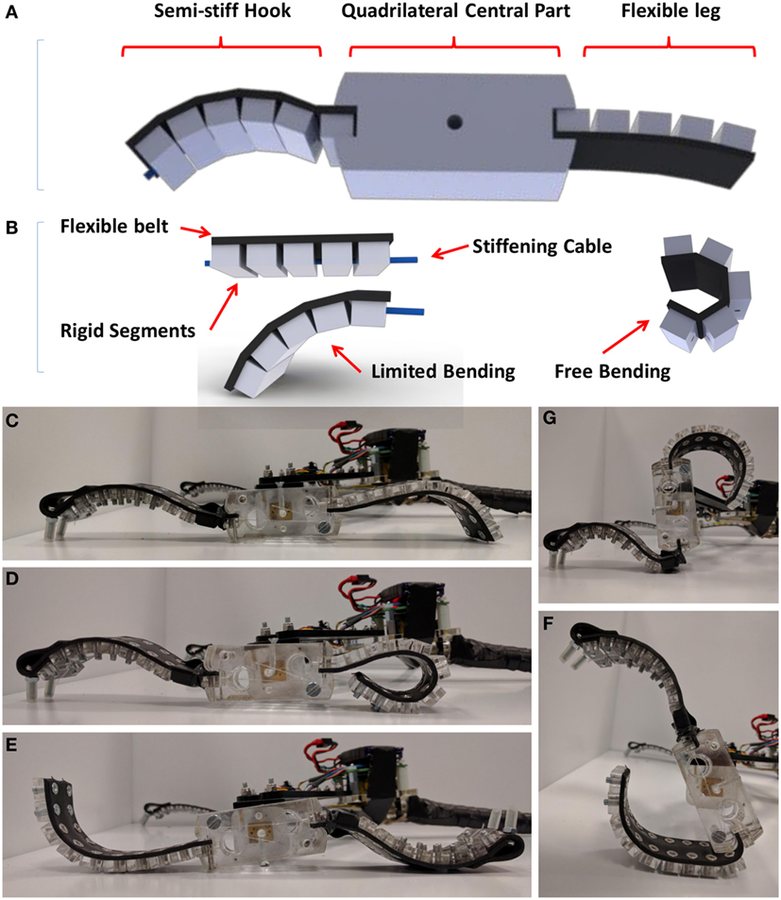
The implications for soft robotics are significant. Soft robots are prized for their ability to squeeze through narrow spaces, handle delicate objects, and interact safely with humans. However, their lack of rigid structure makes precise control difficult. A material that can synchronize itself could enable soft robots to walk, swim, or manipulate objects with greater efficiency and robustness, even if parts of the material are damaged.
According to the research, the synchronization emerges from the material's own dynamics, not from an external program. This means the robot could adapt to changing conditions on the fly, without needing to recompute a global control signal. Such autonomy is a step toward robots that can operate in unstructured environments, from disaster zones to the human body.
The work also has implications beyond robotics. Understanding how synchronization arises in soft, active materials could shed light on biological processes, such as the beating of a heart or the coordinated contractions of the gut, which rely on similar decentralized timing mechanisms. The boundary between engineered materials and living systems continues to blur.
While the research is still at an early stage, it represents a fundamental shift in how engineers think about control. Instead of imposing order from the top down, they are learning to harness the inherent dynamics of materials to achieve complex behaviors. This could lead to more energy-efficient robots, as well as new manufacturing techniques for creating smart materials that respond to their environment.
The team behind the work suggests that the next steps will involve scaling up the material and integrating it with sensors and power sources. If successful, clock-free synchronization could become a standard feature in the next generation of soft robots, making them more versatile and resilient. The era of robots that move to their own beat may be closer than expected.
13