An experimental compound called AP503 significantly strengthened bones in mice by activating a receptor known as GPR133, according to a new study. The receptor appears to act as a dual-purpose switch, promoting bone formation while simultaneously slowing bone loss. The finding, reported in the journal Science, points to a potential new strategy for treating osteoporosis and other conditions marked by age-related bone deterioration.
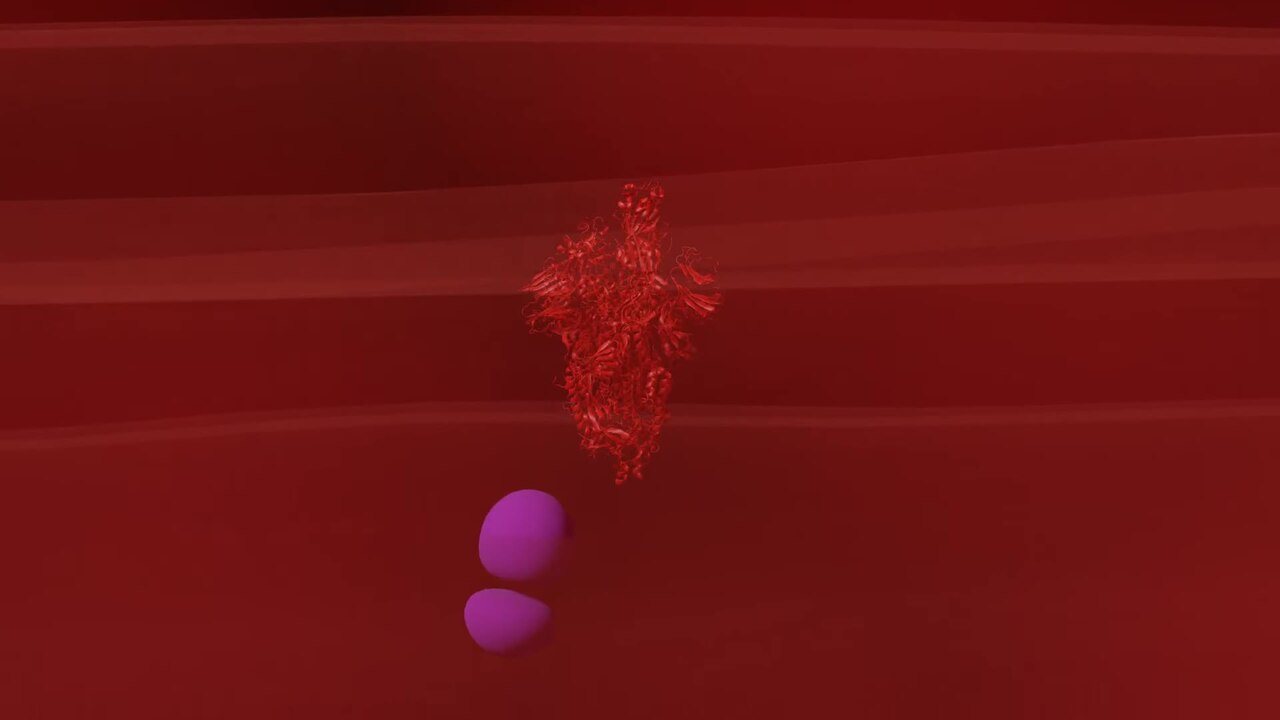
Researchers found that AP503 binds to and activates GPR133, a G-protein-coupled receptor found on the surface of bone-forming cells called osteoblasts. When activated, the receptor triggers a signaling cascade that increases the production of new bone tissue. At the same time, it suppresses the activity of osteoclasts, the cells responsible for breaking down bone. This combined effect produced a substantial increase in bone mass and strength in the treated animals.
«The receptor seems to function as a bone-building switch,» the researchers said, noting that the compound was well tolerated in the mice. The study adds to a growing body of evidence that GPR133 plays a central role in skeletal health and may be a viable drug target for osteoporosis, a disease that affects millions of people worldwide and leads to fragile bones and increased fracture risk.
Osteoporosis is particularly common among postmenopausal women and older adults, and current treatments often carry side effects or require frequent dosing. An oral compound that both builds bone and prevents its breakdown could offer a more convenient and effective option. The researchers caution, however, that the results are preliminary and that human trials are needed to determine whether AP503 or similar compounds are safe and effective in people.
Beyond bone, the same treatment has been linked to stronger muscles in separate experiments. If the compound can simultaneously improve bone and muscle mass, it could address a broader set of age-related declines, including sarcopenia, the loss of muscle mass and strength that often accompanies aging. This dual action is especially intriguing because bone and muscle health are closely interconnected, and therapies that benefit both could reduce the risk of falls and fractures in older adults.
The research team is now investigating the precise molecular details of how GPR133 activation leads to these effects. They are also exploring whether the compound can be optimized for human use. While the path from mouse studies to approved therapies is long and uncertain, the discovery of a single receptor that coordinates bone formation and muscle strength represents a promising avenue for future drug development.
The study was funded by grants from the National Institutes of Health and other research organizations. The findings were published in the journal Science.
148