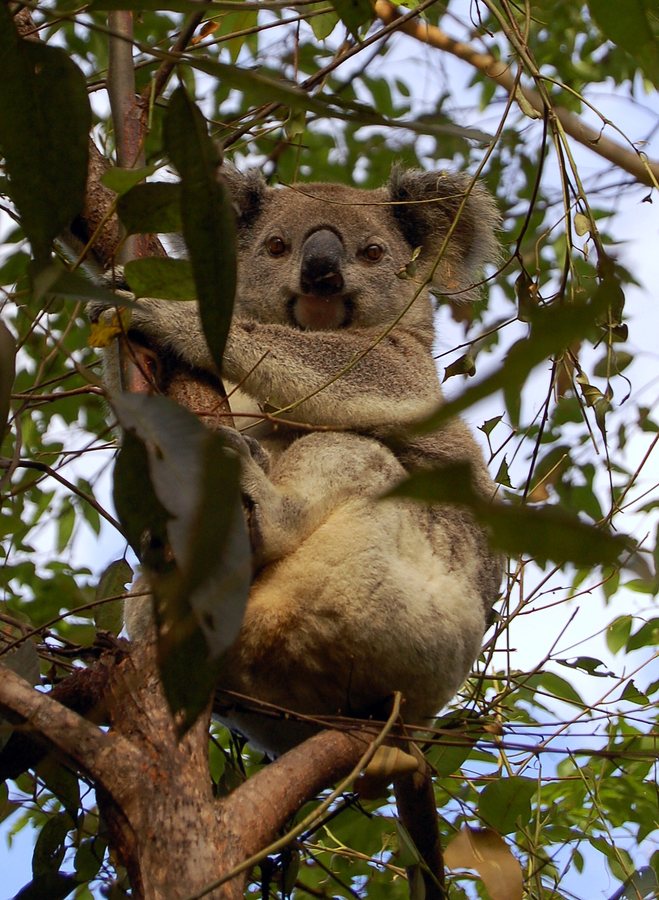
Victoria's koala population is in chronically poor health and is only half the size previously estimated, according to a major government-commissioned review that the state government withheld from the public for more than 12 months.
The review, led by the state science agency the Arthur Rylah Institute in conjunction with scientists from major universities, was completed for the Victorian government in June 2025. Its findings paint a stark picture of a species under sustained pressure, with health problems widespread across the population and official estimates significantly overstated.
The delay in releasing the report has drawn scrutiny, as the findings carry direct implications for conservation policy, land management, and the allocation of resources to protect one of Australia's most recognizable animals. The review was conducted by the Arthur Rylah Institute, Victoria's leading biodiversity research agency, working alongside university scientists, giving its conclusions substantial scientific weight.
Koalas in Victoria have long been considered a conservation success story in some regions, with populations in some areas growing to the point where overbrowsing of eucalyptus trees became a concern. The new findings complicate that narrative, suggesting that the animals are faring far worse than official figures indicated and that chronic health problems are widespread.
The report's completion in June 2025 and its subsequent withholding mean that decisions about koala management, habitat protection, and possibly culling or translocation programs may have been made without the full picture. The review's findings could reshape how the state approaches koala conservation, particularly in areas where habitat loss, disease, and climate-driven pressures such as drought and bushfires have taken a toll.
Koalas are listed as vulnerable in some parts of Australia and endangered in others, and their health is closely tied to the condition of eucalyptus forests. Chronic poor health across a population can signal underlying environmental problems, including malnutrition, disease such as chlamydia, and stress from habitat fragmentation.
The Arthur Rylah Institute's review involved collaboration with scientists from major universities, suggesting a comprehensive scientific effort. The fact that the government delayed its release for more than a year raises questions about transparency and the timing of public disclosure, particularly when the findings contradict previous population estimates.
For Victoria, the implications extend beyond koalas themselves. As a flagship species, koala health reflects the broader condition of the state's forests and woodlands. A population half the size of previous estimates, with widespread health problems, suggests that conservation efforts may need to be significantly scaled up or redesigned.
The report's findings are likely to fuel debate over land clearing, urban expansion, and forest management in Victoria. They also underscore the importance of accurate population monitoring, since conservation strategies depend on reliable data. With the report now public, scientists and conservation groups are expected to press for urgent action based on its conclusions.
145