An experimental drug that attacks mesothelioma by disabling one of the cancer's own survival mechanisms has shown promising results in an early clinical trial, controlling disease progression in 67% of patients and producing encouraging survival data. The approach targets PRX3, an antioxidant defense that tumor cells rely on to withstand the intense oxidative stress created by their own rapid growth.
Mesothelioma is an aggressive cancer linked to asbestos exposure, and it remains one of the most difficult malignancies to treat. Patients typically face limited options, and existing therapies often provide only modest benefit. The new strategy is counterintuitive because instead of trying to suppress cancer cells directly with conventional chemotherapy, it exploits a vulnerability created by the cancer's own metabolism.
Cancer cells generate unusually high levels of reactive oxygen species as a byproduct of their accelerated division. To avoid self-destruction, they ramp up antioxidant systems, and PRX3 appears to be a critical component of that defense in mesothelioma. By inhibiting PRX3, the experimental drug leaves the tumor cells unable to neutralize the oxidative stress they produce, causing them to die.
The early clinical trial results are notable for a disease where progress has been slow. A 67% disease control rate means that in roughly two-thirds of participants, the cancer either shrank or stopped growing during the study period. Researchers also reported encouraging survival outcomes, though the trial is small and early-stage, and larger studies will be needed to confirm whether the benefit holds over time.
The findings raise the possibility that the same strategy could be applied beyond mesothelioma. Many solid tumors depend on antioxidant defenses to survive oxidative stress, so drugs that disable PRX3 or related pathways might eventually be tested in other cancers. That broader potential is one reason the early results are drawing attention, even as researchers caution that the current data come from a limited patient group.
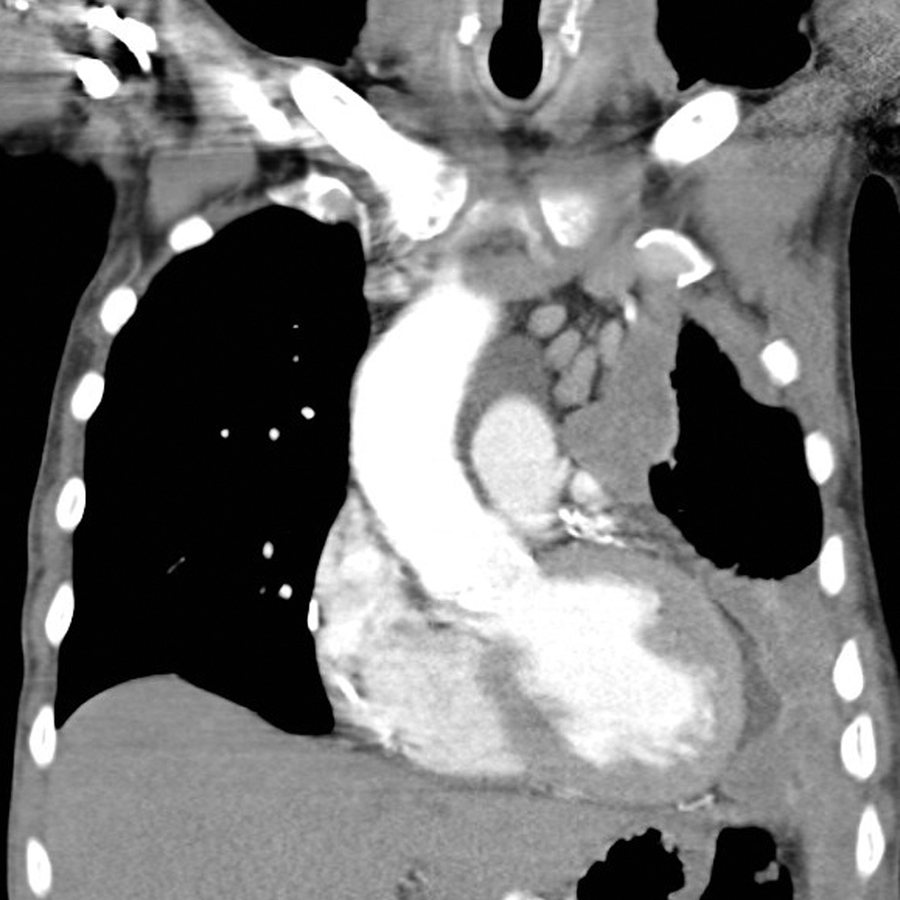
Mesothelioma develops most often in people exposed to asbestos, often decades before symptoms appear. The disease affects the lining of the lungs, abdomen, or heart, and its late diagnosis and resistance to treatment have long frustrated oncologists. New therapeutic approaches have been slow to emerge, making any signal of clinical activity in a well-designed trial noteworthy.
The experimental drug's mechanism also highlights a growing interest in targeting cancer metabolism rather than only the genetic mutations that drive tumor growth. By focusing on how cancer cells manage stress, researchers hope to find weaknesses that are shared across tumor types and less likely to be bypassed by resistance.
Further trials will need to determine the optimal dose, whether the drug works best alone or in combination with existing therapies, and which patients are most likely to respond. For now, the early results offer a measured but genuine reason for hope in a cancer that has long lacked effective options.