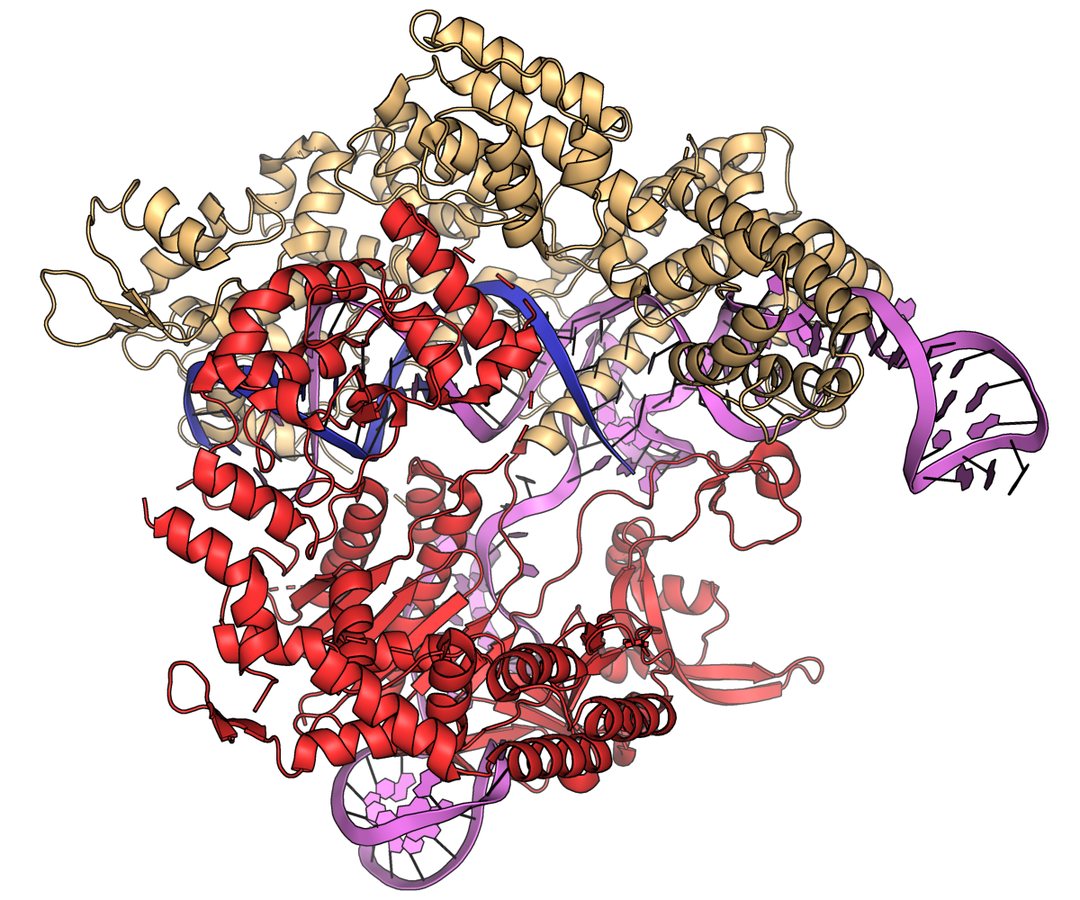
Gene-editing therapies have moved from experimental trials to approved treatments, offering new hope for patients with previously incurable diseases. But as these therapies reach the clinic, ensuring their safe and equitable delivery has become a central challenge for the medical community.
The journey began with sickle-cell disease. In 2019, Victoria Gray became the first patient to receive the pioneering gene-editing therapy now known as Casgevy, or exa-cel. Her experience of sickle-cell crises, which she described as feeling «like being struck by lightning and hit by a freight train all at once,» is familiar to many who live with the condition. After treatment, her outlook changed dramatically. «Now I can dream again without limitations,» she said.
Casgevy has since been approved for both sickle-cell disease and β-thalassaemia, marking a significant milestone in genetic medicine. The therapy works by editing a patient's own blood stem cells to produce healthy red blood cells, reducing or eliminating the painful crises that characterize these disorders.
Beyond blood disorders, gene editing has shown success in other areas. Researchers have edited T cells to treat leukemia, and edited liver cells to address transthyretin amyloidosis and certain metabolic conditions. These advances suggest that gene editing could become a versatile tool for a range of diseases.
However, the path from laboratory to clinic is not without obstacles. Safety remains a paramount concern. Editing the wrong DNA sequence, or making unintended changes, could have serious consequences. Long-term monitoring of patients is essential to detect any delayed effects, including the risk of cancer or other complications.
Delivery is another hurdle. Getting the editing machinery into the right cells efficiently and precisely is technically demanding. For some conditions, cells must be removed from the body, edited, and then returned, a complex and costly process. For others, delivery must happen inside the body, which poses additional challenges.
Access and affordability are also critical. Gene-editing therapies are among the most expensive treatments ever developed, with price tags that could strain health-care systems and limit availability to wealthy patients or countries. Without careful planning, these therapies could widen existing health disparities rather than reduce them.
The medical community is calling for robust regulatory frameworks, transparent reporting of outcomes, and long-term patient registries to track safety and effectiveness. Ethical considerations, including informed consent and equitable access, must guide the rollout of these therapies.
As gene editing continues to advance, the focus must remain on delivering these treatments safely and fairly. The successes seen so far are encouraging, but they also underscore the responsibility to ensure that the benefits reach all who need them, without compromising patient safety.
90