Patients with high-risk smoldering multiple myeloma achieved significantly higher rates of complete clinical response when treated with teclistamab compared with the standard combination of lenalidomide and dexamethasone, according to results from the randomized phase 2 ImmunoPRISM trial published in Nature Medicine.
The finding points to a potential shift in how early intervention is approached for a precursor condition that can remain dormant for years but carries a substantial risk of progressing to active multiple myeloma, a cancer of plasma cells that causes bone damage, anemia, kidney impairment, and immune suppression.
Smoldering multiple myeloma sits between the asymptomatic precursor state known as monoclonal gammopathy of undetermined significance and full-blown multiple myeloma. Patients with the high-risk form of smoldering disease face a roughly 50 percent chance of progressing to active myeloma within two years, yet the standard clinical approach has often been watchful waiting rather than early treatment.
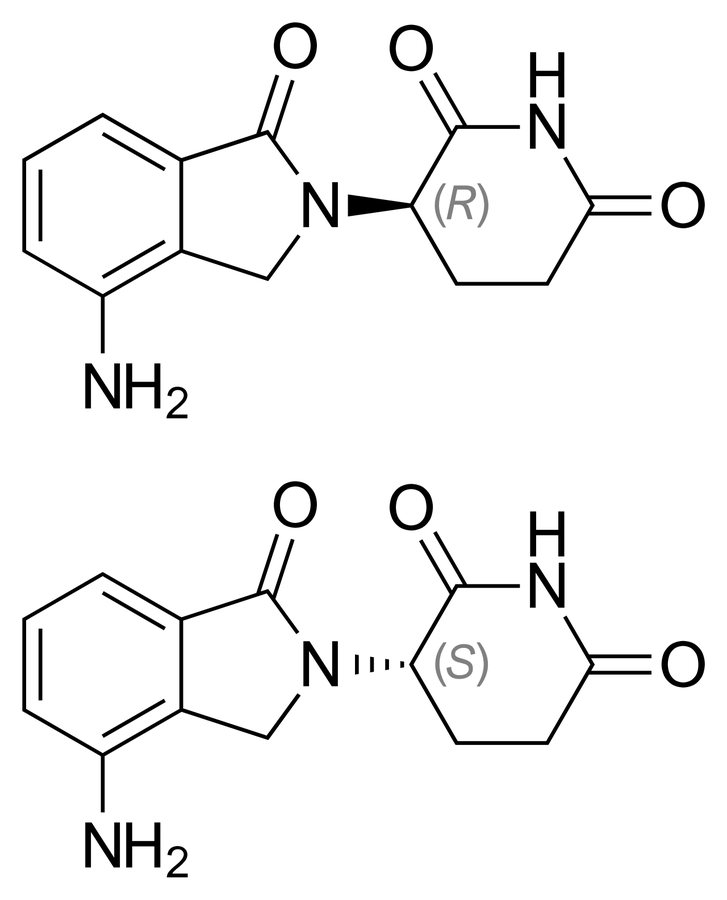
The ImmunoPRISM trial tested whether earlier, more potent intervention could improve outcomes. Teclistamab is a bispecific antibody that binds to both the BCMA protein on myeloma cells and the CD3 receptor on T cells, redirecting the immune system to attack the cancer. Lenalidomide-dexamethasone, by contrast, is an established immunomodulatory regimen widely used in multiple myeloma.
In the trial, patients receiving teclistamab showed higher rates of complete clinical response, a deeper level of disease control than partial response or stable disease. The result suggests that the bispecific antibody may be more effective at clearing measurable disease in this high-risk population.
However, the investigators caution that longer follow-up is required to determine whether these deeper responses translate into durable prevention of progression to multiple myeloma. Complete clinical response in smoldering disease does not automatically mean the disease will never progress, and the trial was not designed to answer that question within the current reporting period.
The findings add to a growing body of research exploring early intervention in precursor blood cancers. For decades, the standard of care for smoldering myeloma has been observation, with treatment reserved for patients who develop active disease. More recent trials have begun testing whether treating high-risk patients earlier can delay or prevent progression.
Teclistamab is already approved for relapsed or refractory multiple myeloma, where it has shown strong efficacy. Its use in smoldering disease would represent a significant expansion of its clinical role, moving it from a later-line therapy to a potential early intervention.
Safety remains a key consideration. Bispecific antibodies like teclistamab can cause cytokine release syndrome and neurotoxicity, immune-related side effects that require monitoring and management. The trial's risk-benefit profile in a largely asymptomatic population will be a central question as follow-up continues.
The ImmunoPRISM results were published online in Nature Medicine. The trial's phase 2 design means the findings are not yet definitive, and confirmatory phase 3 studies would be needed before any change in clinical practice. For now, the data offer a signal that early, targeted immunotherapy may produce deeper responses than standard immunomodulatory treatment in patients whose disease has not yet caused symptoms.
316