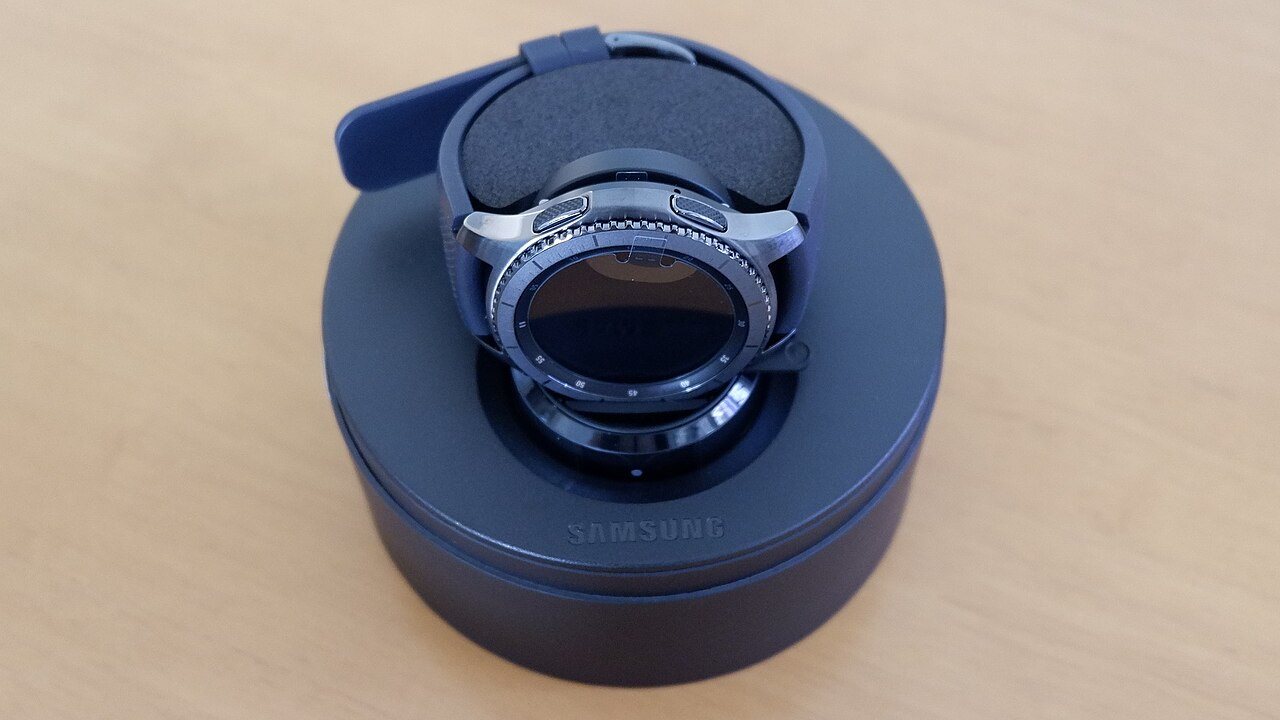
Wearable devices such as smartwatches and fitness trackers are producing a growing flood of health data, but the medical field has yet to establish the protocols needed to turn that information into reliable diagnoses and monitoring, according to a new analysis published in the journal Nature.
The article, published online on 14 October 2026, argues that without standardized clinical protocols, the full value of wearable devices for monitoring and diagnosing medical conditions will remain out of reach. The concern is not the technology itself but the absence of agreed-upon methods for interpreting the continuous streams of heart rate, sleep, activity, and other physiological measurements that these devices collect.
Smartwatches and similar wearables have become ubiquitous in recent years, capable of tracking everything from heart rhythm to blood oxygen levels. For many users, the devices offer a convenient way to monitor personal health. But for physicians, the data often arrive without context, validation, or clear clinical guidelines. The Nature analysis suggests that this gap between data generation and clinical application is becoming more urgent as device adoption grows.
The core problem is one of translation. A smartwatch may flag an irregular heartbeat or a drop in blood oxygen, but without established protocols, doctors have little guidance on how to confirm the finding, how to distinguish a clinically significant event from a harmless anomaly, and how to integrate the information into a patient's medical record. The analysis calls for the development of such protocols to ensure that wearable data can be used safely and effectively.
According to the analysis, establishing these protocols will require collaboration among clinicians, researchers, device manufacturers, and regulators. The goal is to create a framework that allows doctors to trust and act on wearable data in the same way they rely on traditional diagnostic tools such as electrocardiograms or blood tests. Without that framework, the risk is that valuable health signals will be ignored or misinterpreted, and patients may undergo unnecessary tests or, conversely, miss early warnings of serious conditions.
The analysis does not propose a specific set of protocols but rather highlights the need for the medical community to develop them. It notes that the volume of data generated by wearables is already substantial and continues to grow, making the lack of standards an increasingly pressing issue. As more people use these devices, the gap between what the technology can measure and what doctors can meaningfully use is likely to widen unless action is taken.
For patients, the implications are significant. Many already bring their wearable data to medical appointments, expecting their doctors to interpret it. But without clear guidelines, physicians may be uncertain about how to respond. The Nature analysis suggests that this uncertainty could undermine trust in both the devices and the medical system's ability to leverage them.
The call for protocols comes amid broader discussions about the role of technology in healthcare. Wearables are part of a larger trend toward remote monitoring and personalized medicine, where continuous data collection could enable earlier interventions and better management of chronic conditions. But realizing that potential depends on building the clinical infrastructure to support it.
The analysis in Nature serves as a reminder that technological innovation alone is not enough. For wearable health data to benefit patients and doctors alike, the medical community must establish the standards and procedures that turn raw measurements into actionable medical knowledge. Until then, the promise of wearables will remain only partially fulfilled.
14