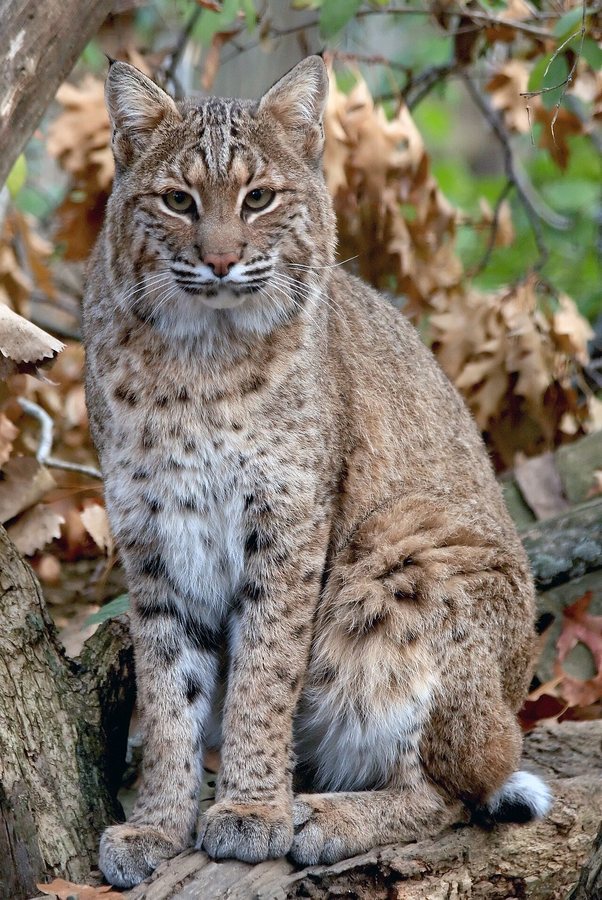
A determined bobcat relies on precision and instinct as it stalks the icy rivers in search of its next meal, according to natural history footage that highlights the hunting strategies of one of North America's most adaptable wild cats. The scene, part of a long-running celebration of planet Earth's wildlife, shows how the animal navigates a frozen landscape where food is scarce and every movement matters.
Winter poses a severe test for predators. Snow and ice reduce cover, limit the movement of prey, and force hunters to conserve energy while still finding enough calories to survive. The bobcat's approach — patient stalking, careful positioning, and a sudden strike — reflects a hunting style built on precision rather than brute force. Unlike larger carnivores that may rely on long chases, the bobcat depends on stealth and a short, explosive burst of speed to close the distance.
The footage places the bobcat along icy rivers, an environment where the boundary between land and water is constantly shifting. These waterways can attract prey seeking open water or crossing points, but they also present risks: slick surfaces, freezing temperatures, and the possibility of a failed hunt. The animal's ability to read the terrain and time its movements is central to its survival.
Bobcats are found across much of North America, from southern Canada to Mexico, and they adapt to a range of habitats including forests, mountains, deserts, and wetlands. Their diet is equally flexible, consisting mainly of rabbits, hares, rodents, and birds, with occasional larger prey. In winter, when smaller animals may be hidden beneath snow, the bobcat's keen hearing and eyesight become especially important. Tufted ears and facial ruffs are thought to help channel sound and improve detection of movement.
The scene is part of a broader body of natural history programming that has documented wildlife for decades, bringing rarely seen behaviors to a wide audience. Such footage can support public interest in conservation by showing how animals cope with environmental challenges. For the bobcat, winter is not merely a backdrop but a defining test of skill, and the icy river setting offers a vivid example of the species' resilience.
While the clip focuses on a single hunt, it reflects a wider ecological reality: predators and prey are locked in a relationship shaped by season, terrain, and opportunity. As winter conditions change across many regions, understanding how species like the bobcat respond becomes increasingly relevant to wildlife management and conservation planning. The animal's reliance on instinct and precision remains a constant, even as the landscapes it inhabits continue to shift.
17