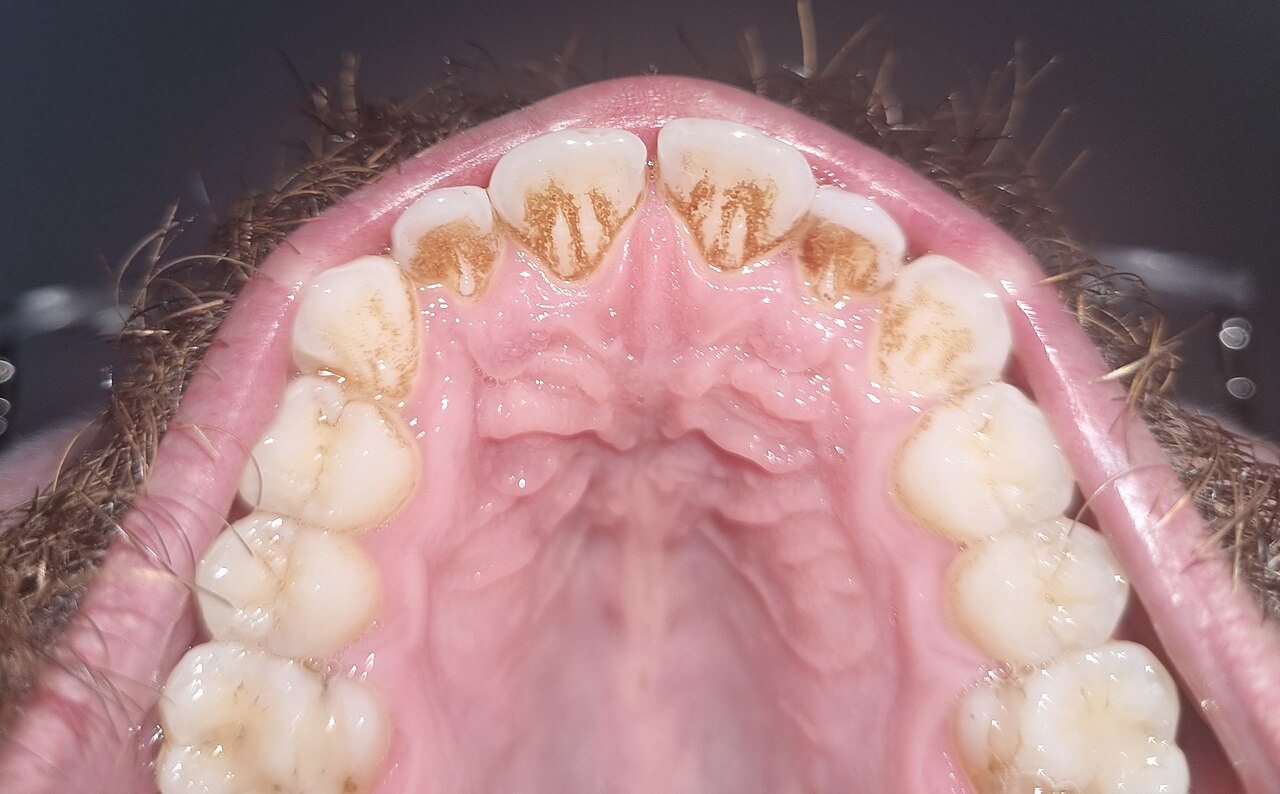
A research team based in Japan has developed a new treatment for periodontitis, a serious gum disease and one of the leading causes of tooth loss, that aims to eliminate the bacteria driving the infection without disrupting the healthy microbes that keep the mouth in balance.
The approach works in two steps. Egg yolk antibodies are used to bind to the harmful bacteria, marking them for attack. Near-infrared light is then applied to destroy the targeted microbes. Because the antibodies recognize specific bacteria, the method is designed to leave beneficial oral microbes and healthy gum tissue largely untouched.
In experiments with mice, the treatment significantly reduced the bone loss associated with periodontitis, one of the most damaging consequences of the disease. The researchers also reported that the natural balance of bacteria in the mouth was preserved, a result that distinguishes the approach from many current therapies.
That distinction matters because conventional treatments tend to be less selective. Standard antibacterial therapies can kill beneficial microbes alongside the harmful ones, which may disturb the oral ecosystem and create conditions for future problems. A more targeted method could, in principle, address the infection while protecting the microbial community that helps maintain oral health.
Important questions remain open. The results so far come from animal studies, and the researchers have not yet reported outcomes from human trials. Whether the treatment is safe and effective in people has not been confirmed, and further clinical research will be needed before it could be considered for patients.
Credit. Based on reporting for ScienceDaily. Is this your work? Write to us.
2