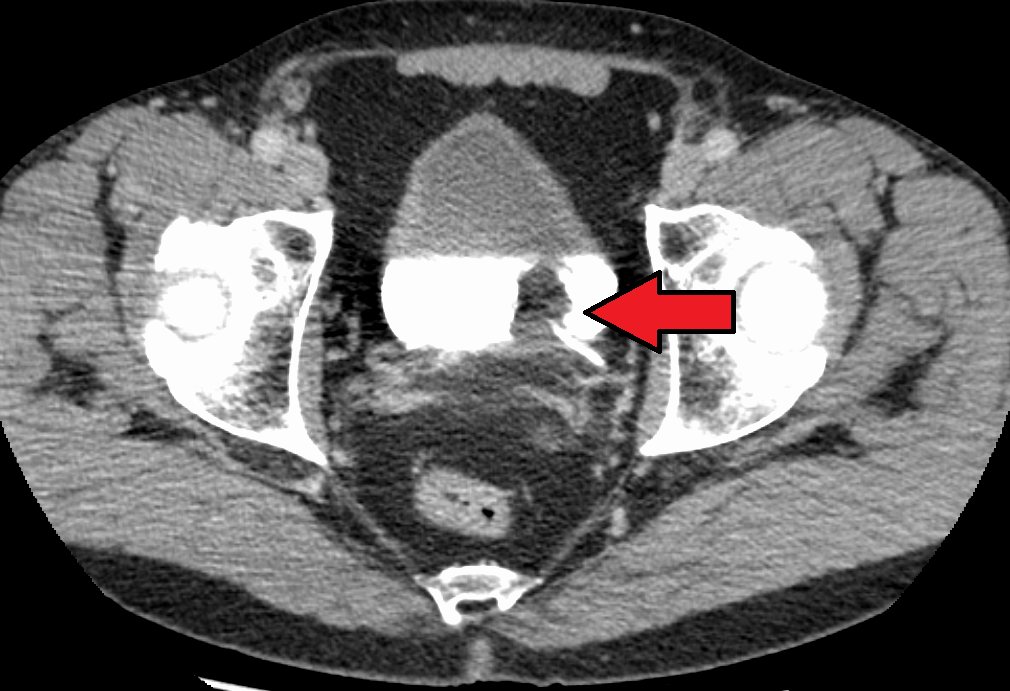
An artificial intelligence system that analyses patient data can pick up warning signs of bladder cancer long before a conventional diagnosis, according to a new study. In the research, the tool identified 85% of the cases it examined, with a detection window reaching up to five years before the disease was formally diagnosed.
The study drew on records from nearly 70,000 patients and was designed with a specific goal in mind: to find patterns that appear in the period before bladder cancer is recognised. The AI model is built to detect subtle signals in that data, the kind of faint correlations that standard screening approaches tend to overlook. That gap matters, because bladder cancer is often identified at a stage when treatment options are narrower and more invasive.
If the approach holds up, it could allow clinicians to catch the disease earlier, when intervention is typically more effective. Early detection could also reduce the number of unnecessary invasive procedures that patients undergo while doctors try to pinpoint a problem. Fewer exploratory tests would spare patients discomfort and lower the burden on healthcare systems.
Significant questions remain. The available summary is brief and does not say which institutions carried out the work, what exact data source was used, or how often the system produced false positives. It also does not indicate whether the tool has undergone clinical validation or is ready for routine use in hospitals and clinics. Until those points are addressed in further testing, the findings should be read as a promising early result rather than a ready-made screening method.
Credit. Based on reporting for ScienceDaily. Is this your work? Write to us.
7