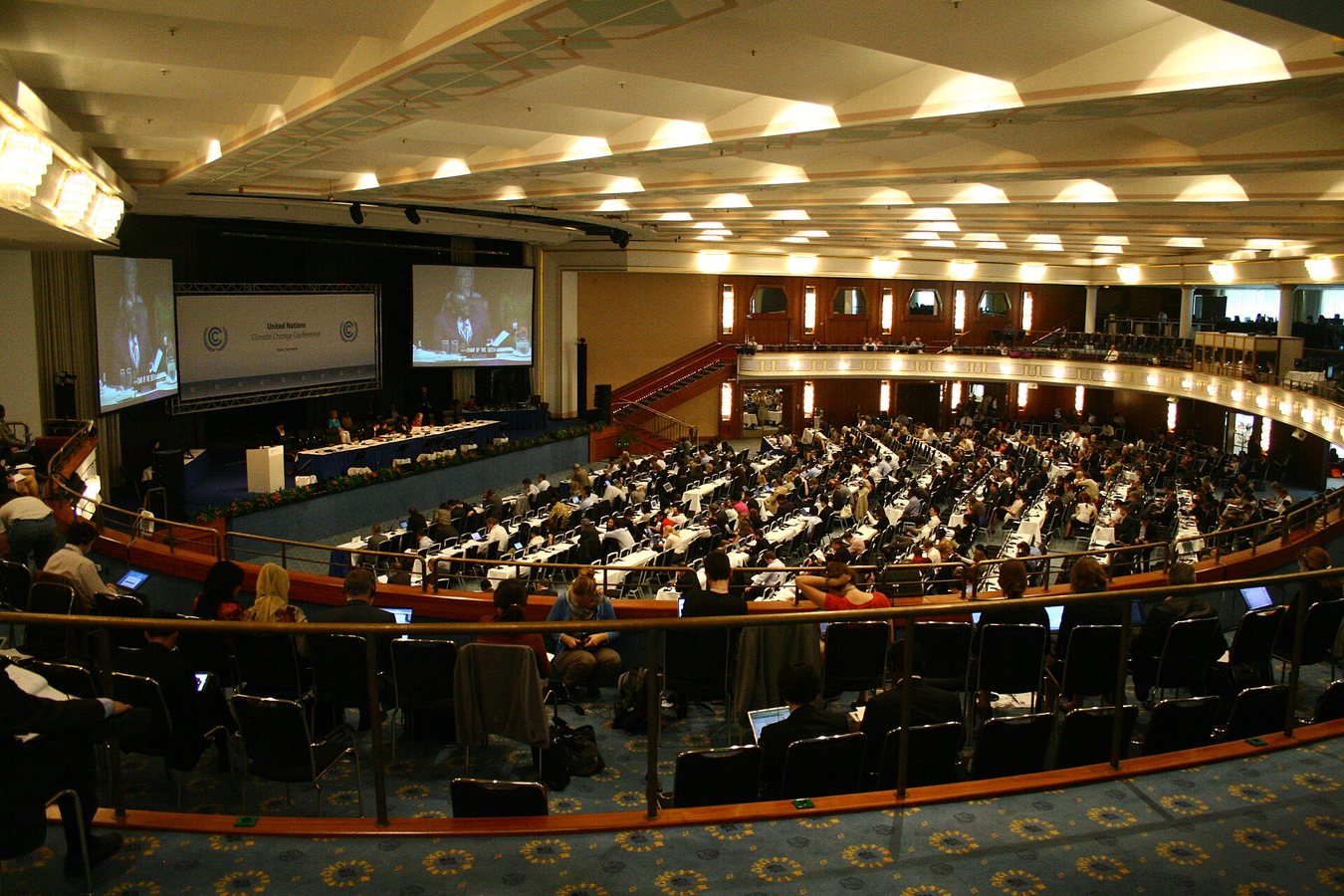
Patricia Zurita, executive director of Conservation International, used her closing remarks at COP31 to argue that the natural world must sit at the center of global climate policy. In her view, nature can deliver at least 30% of the solutions needed to limit warming, a share she said is too often overlooked in negotiations dominated by energy and industry.
Her assessment of the summit was mixed. Some outcomes, she said, were disappointing, but others pointed to real momentum, particularly on ocean-related climate action. Zurita noted progress in efforts to bring the ocean more fully into climate planning, an area that has tended to receive less attention than land-based measures.
Forests featured prominently in her remarks. More than $8 billion has been pledged to the Tropical Forests Forever Facility, a financing mechanism intended to reward countries for keeping tropical forests standing. Zurita stressed, however, that pledges are not the same as money in hand. For the facility to matter, those commitments must be converted into disbursed funding that reaches forest nations and the communities that protect these ecosystems.
Attention now shifts to COP32, where the next round of talks will be the first real test of whether the commitments made this year translate into results. Zurita's message was that the coming year should be judged less by declarations and more by what governments and donors actually finance and deliver on the ground.
Credit. Based on reporting by Conservation International for YouTube. Is this your work? Write to us.
3