British endurance swimmer Lewis Pugh has completed a three-day swim across the Strait of Hormuz, a crossing of roughly 15 kilometres, to draw attention to the environmental damage caused by the war involving Iran. Pugh, a United Nations ocean patron, used the swim to argue that the conflict's ecological costs are being overlooked as attention focuses on the military and economic fallout.
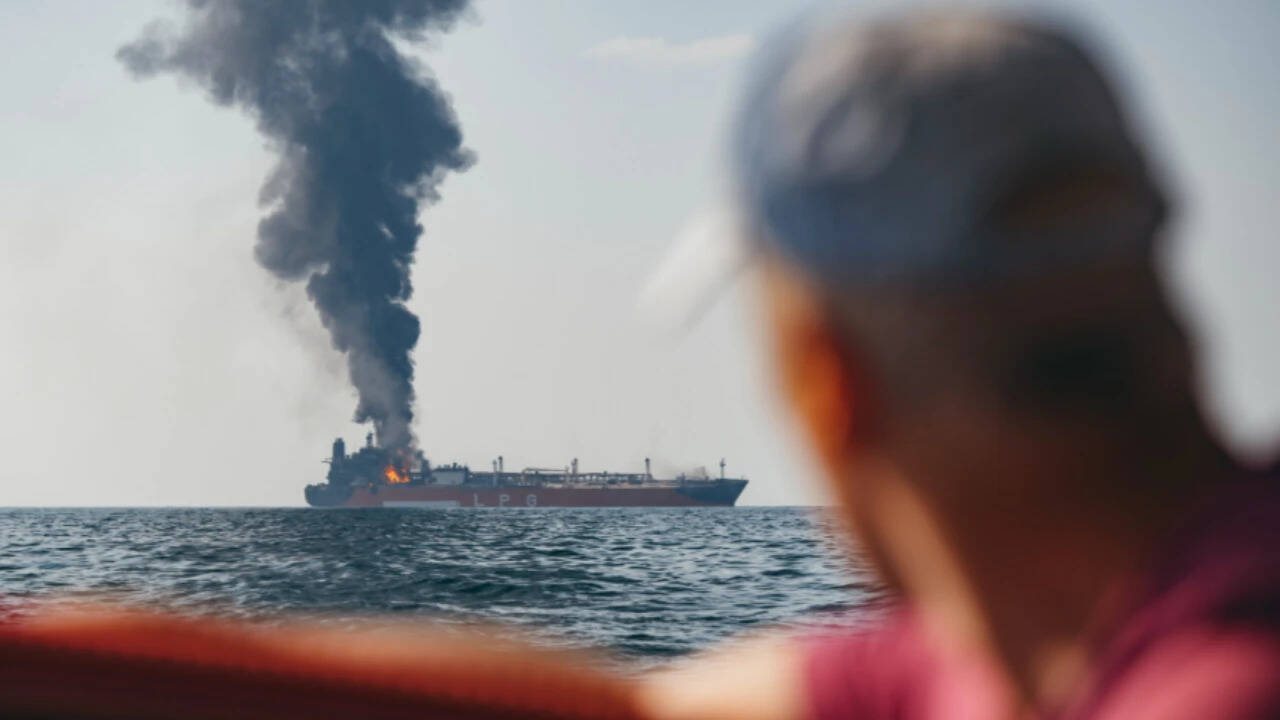
The strait is one of the most strategically important waterways in the world and a key route for oil shipments from the Middle East. Its waters were the stage for an unusually tense crossing. Pugh reported seeing burning ships during the swim, while fighter jets flew overhead for the entire crossing. Those scenes, he suggested, offered a stark picture of how the conflict has moved from the coastline into the sea itself.
Pugh has warned that the damage to the strait could be lasting. He framed the swim as a way of making the marine environment visible in a debate that has largely centred on security and energy supplies. Ocean health, he argued, is inseparable from the consequences of armed conflict, and the harm to the waterway may continue long after the fighting ends.
The full extent of the ecological damage has not been established in the reports available so far. Assessments of pollution, habitat loss and effects on marine life would be needed to measure the scale of the harm. For now, Pugh's crossing serves as a high-profile reminder that wartime environmental costs are real, even when they are hard to quantify.
Credit. Based on reporting by Rachel Hall for The Guardian. Is this your work? Write to us.
17